The residents' needs are the deciding factor
Mr. Zemann, what challenges is Gesewo facing today?
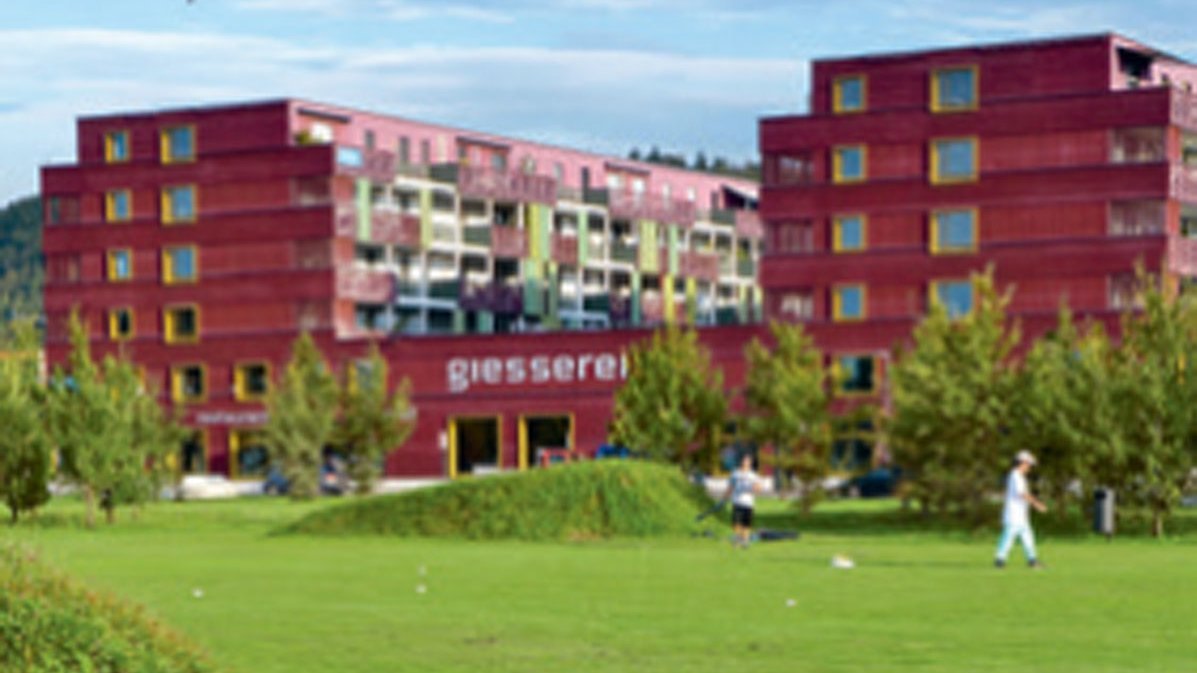
Like most housing and housing cooperatives in larger cities, we are indeed a major developer, but it is becoming increasingly difficult for us to find suitable plots of land or properties. Unlike institutional investors, we cannot ignore our economic constraints—think negative interest rates—and pay the sometimes exorbitant prices.
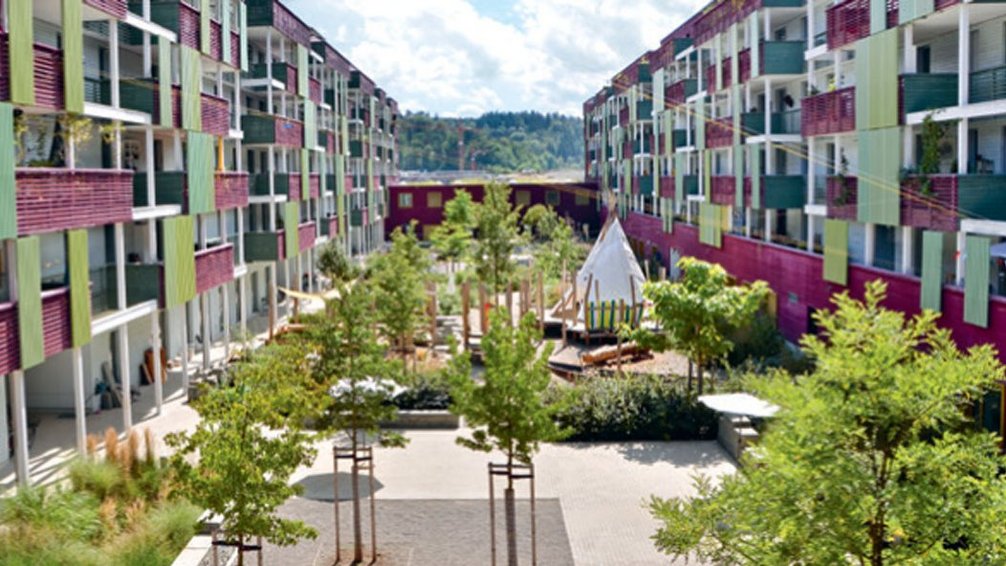
“As the ‘Giesserei’ project shows, wood construction works very well from an economic perspective, too.”
How is Gesewo addressing this problem?
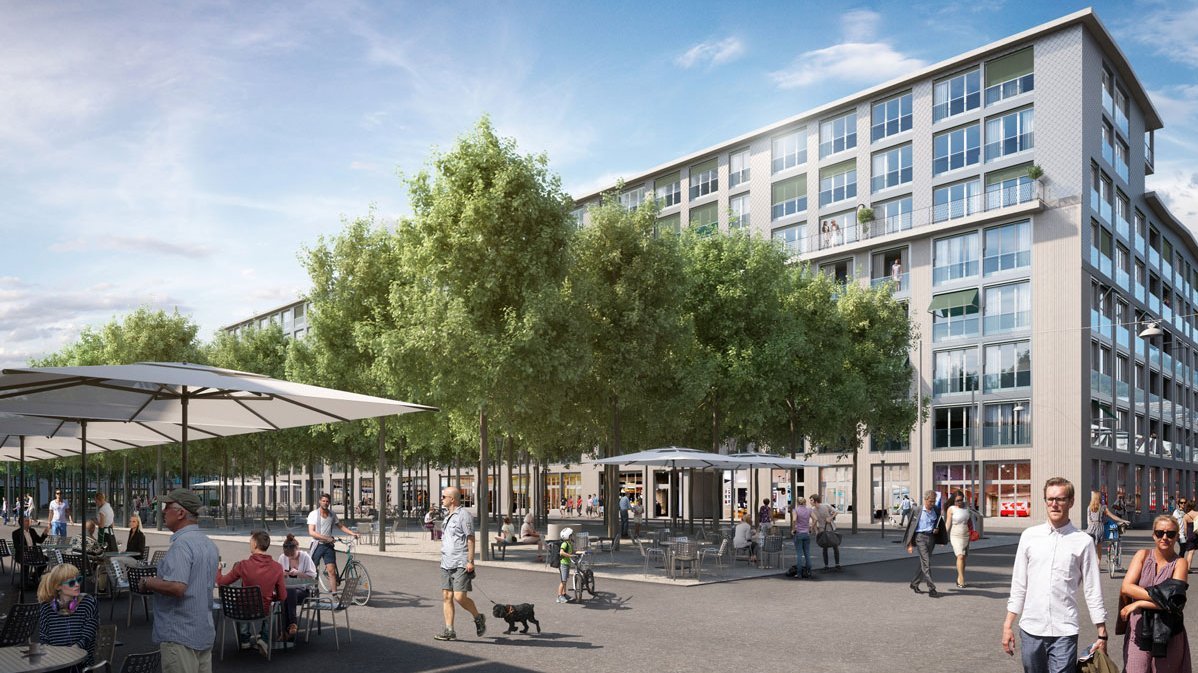
For one thing, we’re very flexible and have a diversified portfolio. Our largest project, the “Giesserei” in Winterthur, has 151 apartments, while our smallest property has just four residential units. For another, interesting projects keep coming our way. Currently, for example, there’s the “Lokstadt” on a former industrial site in the heart of Winterthur. We’re building one component of the “Lokstadt”—the “Krokodil” building—in timber construction together with Implenia. In this project, the design plan already specified that 30 percent of the residential units must be developed by nonprofit housing developers. We have to seize opportunities like these.
What are the most important criteria for you when making construction decisions?
Sustainable construction is of central importance to us. At the same time, however, our primary concern is meeting the specific needs of future residents. That’s precisely what sets Gesewo apart: With us, the so-called “house association”—that is, the community of residents—typically comes together first. Only then do we make joint decisions regarding construction or purchase.
With the “Giesserei,” Gesewo has already set a precedent for wood construction in urban areas. Why is wood now the first choice for “Lokstadt” as well?
For the “Giesserei” multigenerational housing project, timber construction was already an integral part of the concept developed by the residents’ association—which was already in place at the time and later joined forces with us. With the “Krokodil” project, too, timber construction was practically a given, since the design plan calls for compliance with the goals of the 2,000-watt society. This requirement was also the decisive factor in our decision to bid on this exciting project.
What experience have you gained in timber construction so far?
We view wood as a sustainable, energy-efficient, and therefore modern building material that offers numerous advantages—even during production and assembly—thanks to a high degree of prefabrication and the ability to work regardless of weather conditions.
At the same time, however, timber construction also poses specific challenges. For example, due to the unique structural dynamics or shorter spans, planning down to the smallest detail is essential. For instance, building services must be incorporated at an extremely early stage, as making changes later on is difficult. On the other hand, this additional effort up front offers the advantage of greater cost certainty and faster, more precise execution.
All of this was exemplified by the “Giesserei” project: Thanks to a perfectly assembled team of general planners—which brought together architects, timber construction engineers, civil engineers, and building services engineers, as well as Implenia’s experienced timber builders—a high degree of planning precision was achieved. This, in turn, was crucial to the project’s success.
What are Gesewo’s future plans regarding timber construction?
Based on our experience so far, everything points to timber construction being the way forward for our future projects. We strive to minimize our environmental impact in all our activities. Furthermore, it is a central priority for us to provide our members with a healthy and pleasant living environment. Wood is ideal for this, and as the “Giesserei” project demonstrates, timber construction also performs exceptionally well from an economic perspective.