



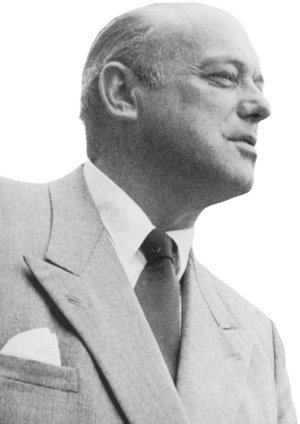
"Göhnerswil" - criticism of capitalism and housing construction
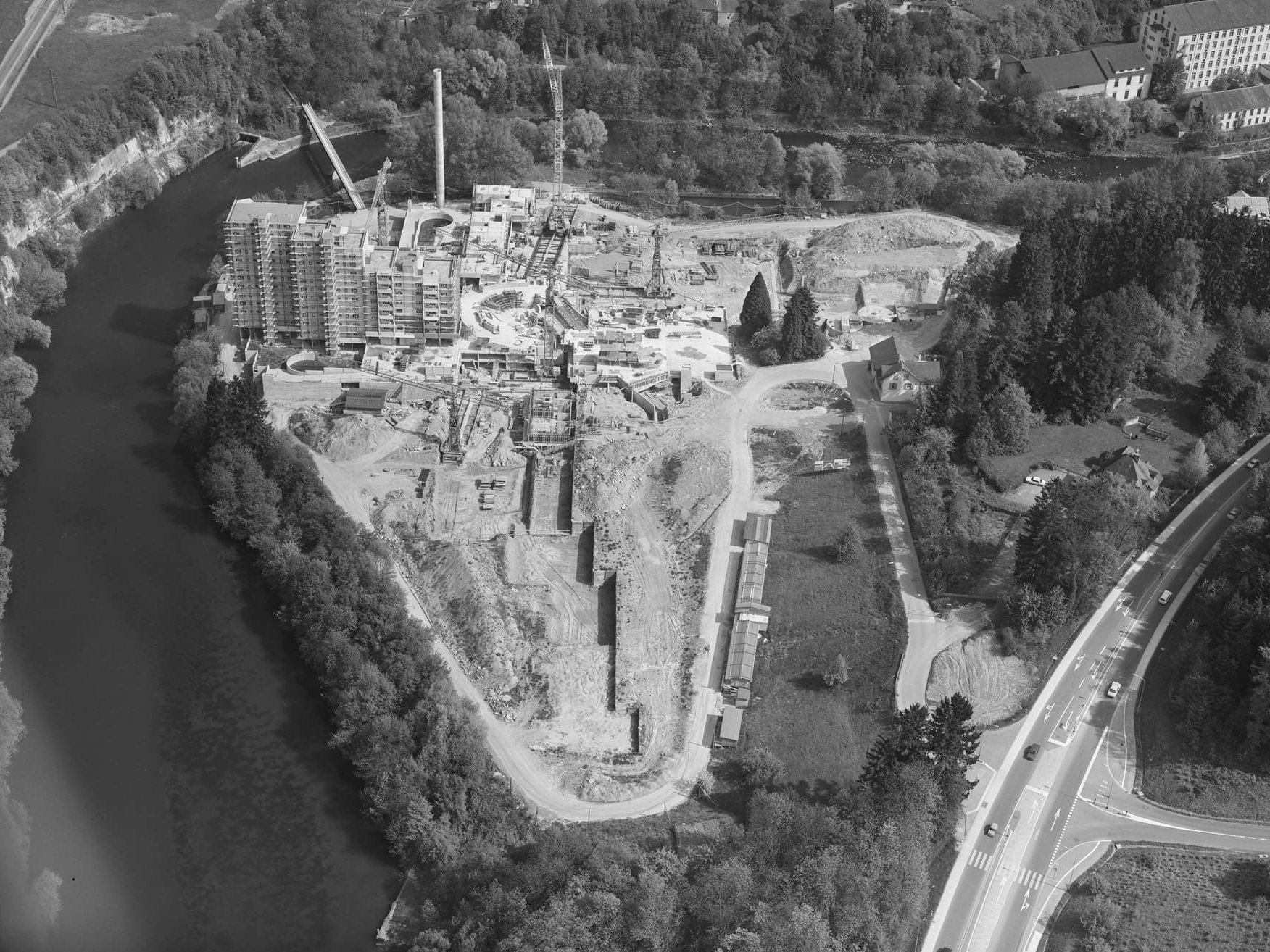
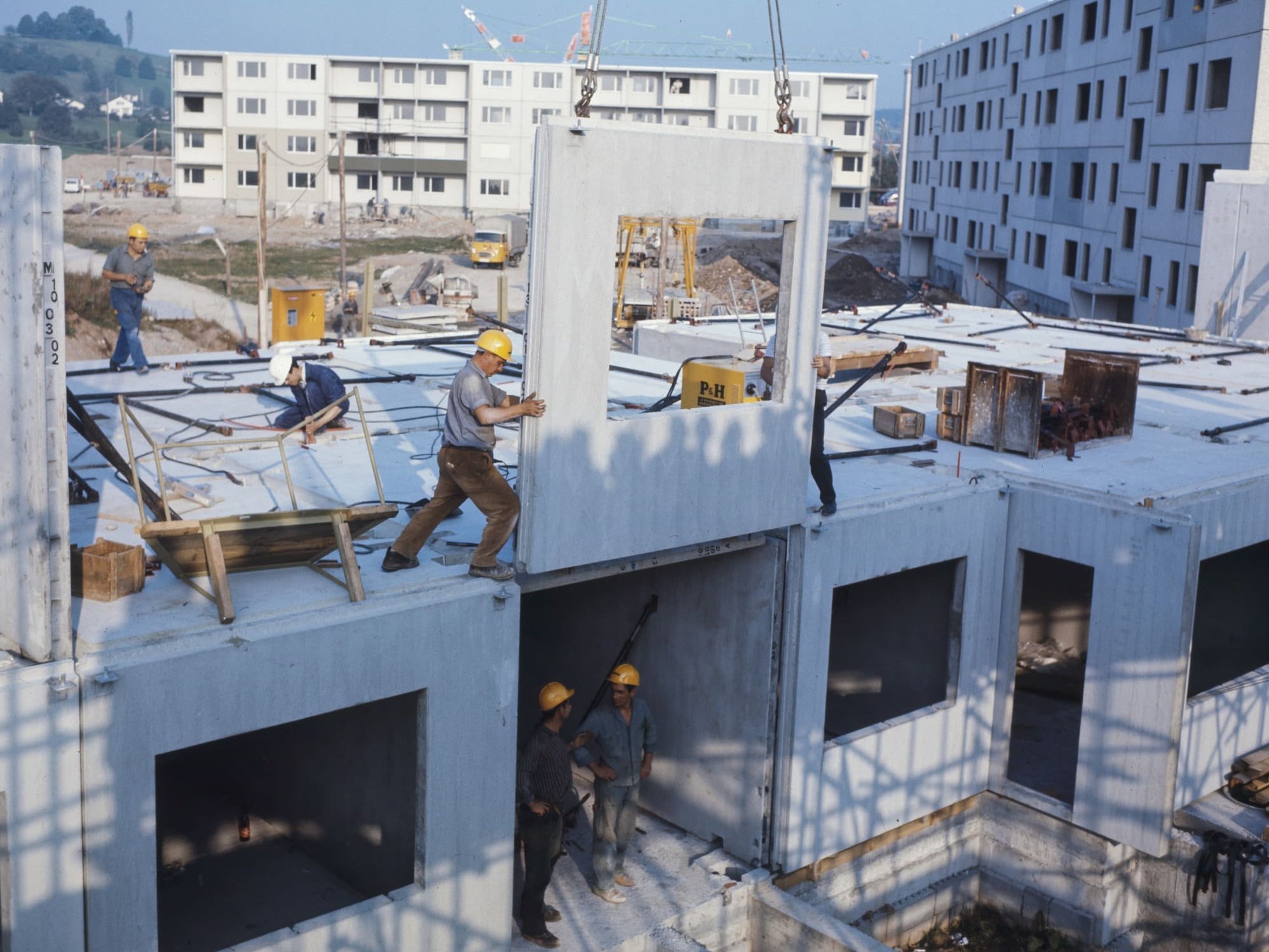
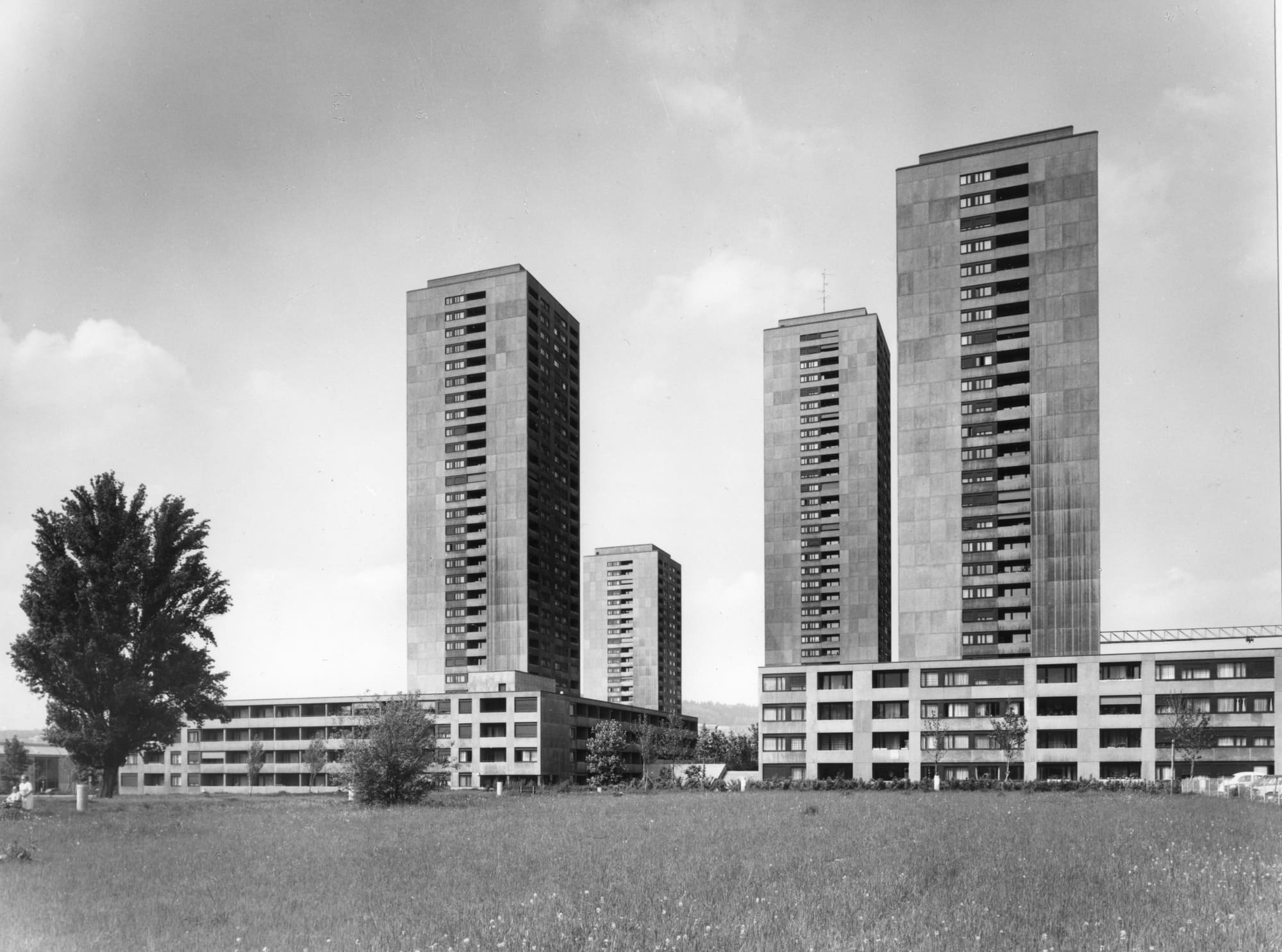
"Vogelsang" is one of hundreds of prefabricated housing estates that sprang up like mushrooms on the outskirts of Swiss cities in the 1960s and 1970s. Ernst Göhner alone, the Swiss pioneer of prefabricated housing, built around 9,000 such apartments; he was responsible for one-sixth of domestic construction activity. The last prefabricated housing estate built by Ernst Göhner AG is the "Webermühle" in Neuenhof in the canton of Aargau. Here, too, the heart is made of concrete, but there is greenery all around, including the meandering Limmat. And this iconic development is also part of Implenia's living heritage, not only because Göhner built the 13 high-rise residential buildings, but also because they are managed by Wincasa. And Wincasa has also been part of Implenia since 2023.
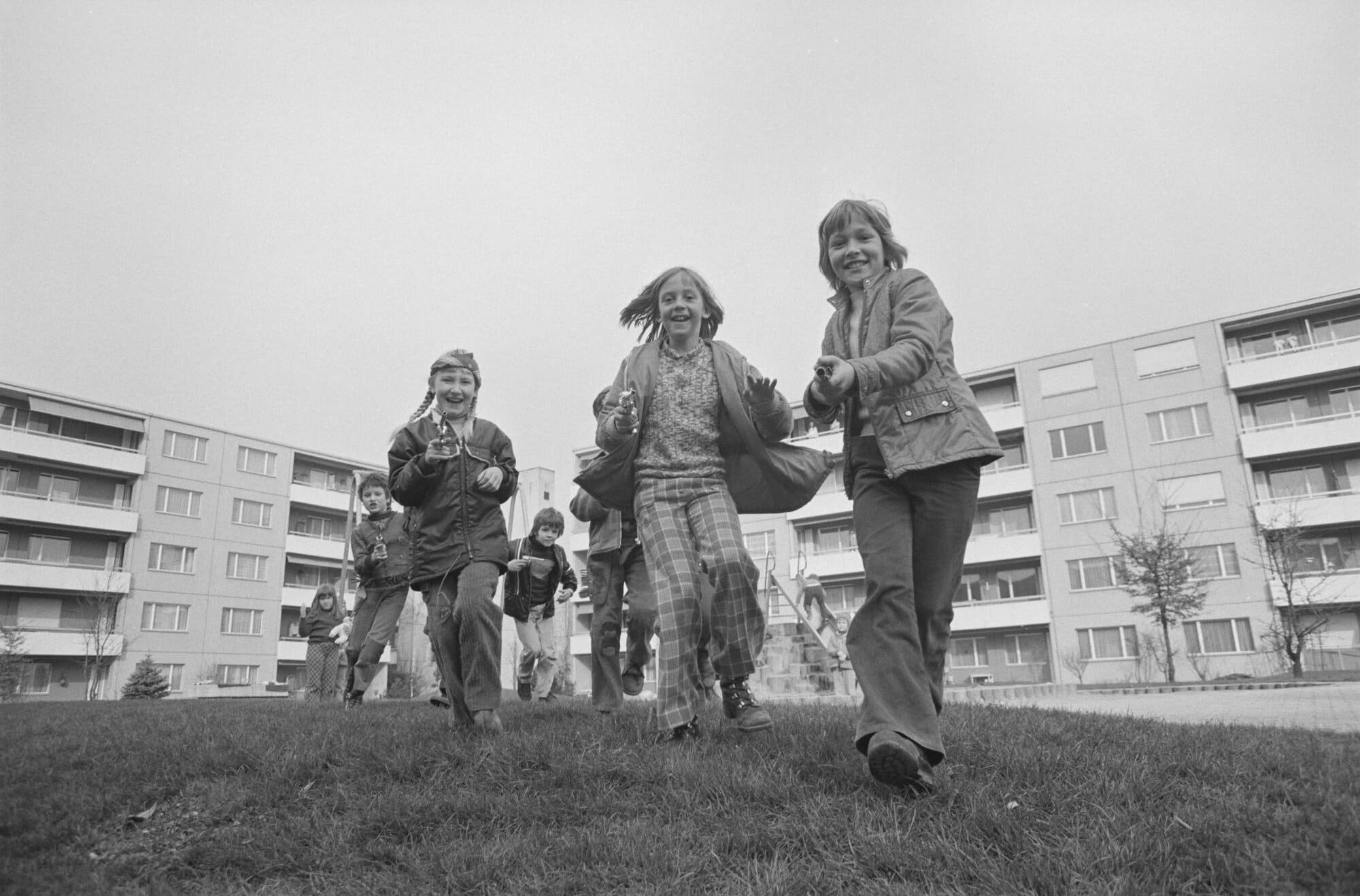
However, the construction boom in the agglomeration is also attracting critics. Göhner became the enemy of left-wing ETH students and lecturers, who published the pamphlet "Göhnerswil - Wohnungsbau im Kapitalismus" in 1972. The central thesis: Göhner and other construction companies exploited the housing shortage in the cities to cram people into anonymous, soulless and cheap "ghettos" in the agglomeration. However, film documentaries show that even back then, many residents appreciated living in modern, affordable housing close to nature on the outskirts of the city - just like the nine-year-old boy today. The criticism was also aimed at Göhner himself; he died in 1971, leaving his legacy of millions to the Ernst Göhner Foundation, which is still one of the largest charitable foundations in Switzerland and supports cultural and social projects with around CHF 40 million a year. What happened to the evil capitalist...?
Population growth and stock from 1900

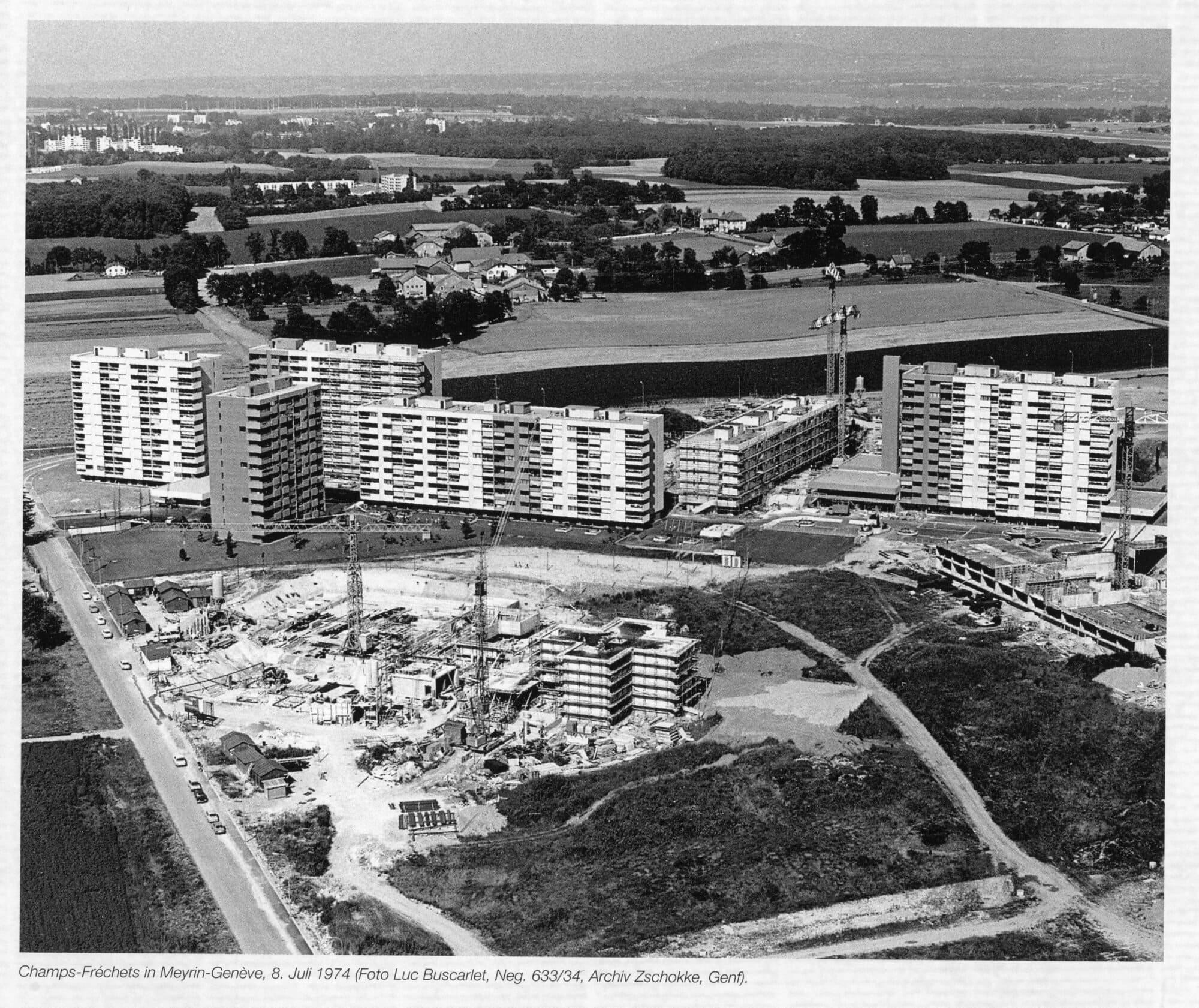
The major Swiss cities are therefore bursting at the seams, and according to the iron laws of supply and demand, this means rising rents. In Zurich, Basel and also at the other end of Switzerland. In Geneva, the influential Nicolas-Bogueret Foundation is tackling the housing shortage with social housing. On the outskirts of the city, in Meyrin, it bought a 16-hectare green field in 1970 to build the large "Champs-Fréchets" development - including a shopping center, emergency center and elementary school. Not far from Champs-Fréchets, the giant apartment block "Les Avanchets" was being built at the time, a symbol of the agglomeration settlements of the time and today even part of Switzerland's inventory of sites worthy of protection.
Here, in the west of Switzerland, it is not Ernst Göhner AG that is the master builder of the agglomeration boom, but SA Conrad Zschokke, the largest predecessor company of Implenia, based in Geneva since 1922. "Onex-Parc", "Cointrin", "La Gradelle", the "Vermont" high-rise - almost all of Zschokke's large-scale developments are built using the all-concrete construction method, in which not only the supporting structure, but also the walls, ceilings and façade are constructed from prefabricated concrete elements - in other words, prefabricated buildings.
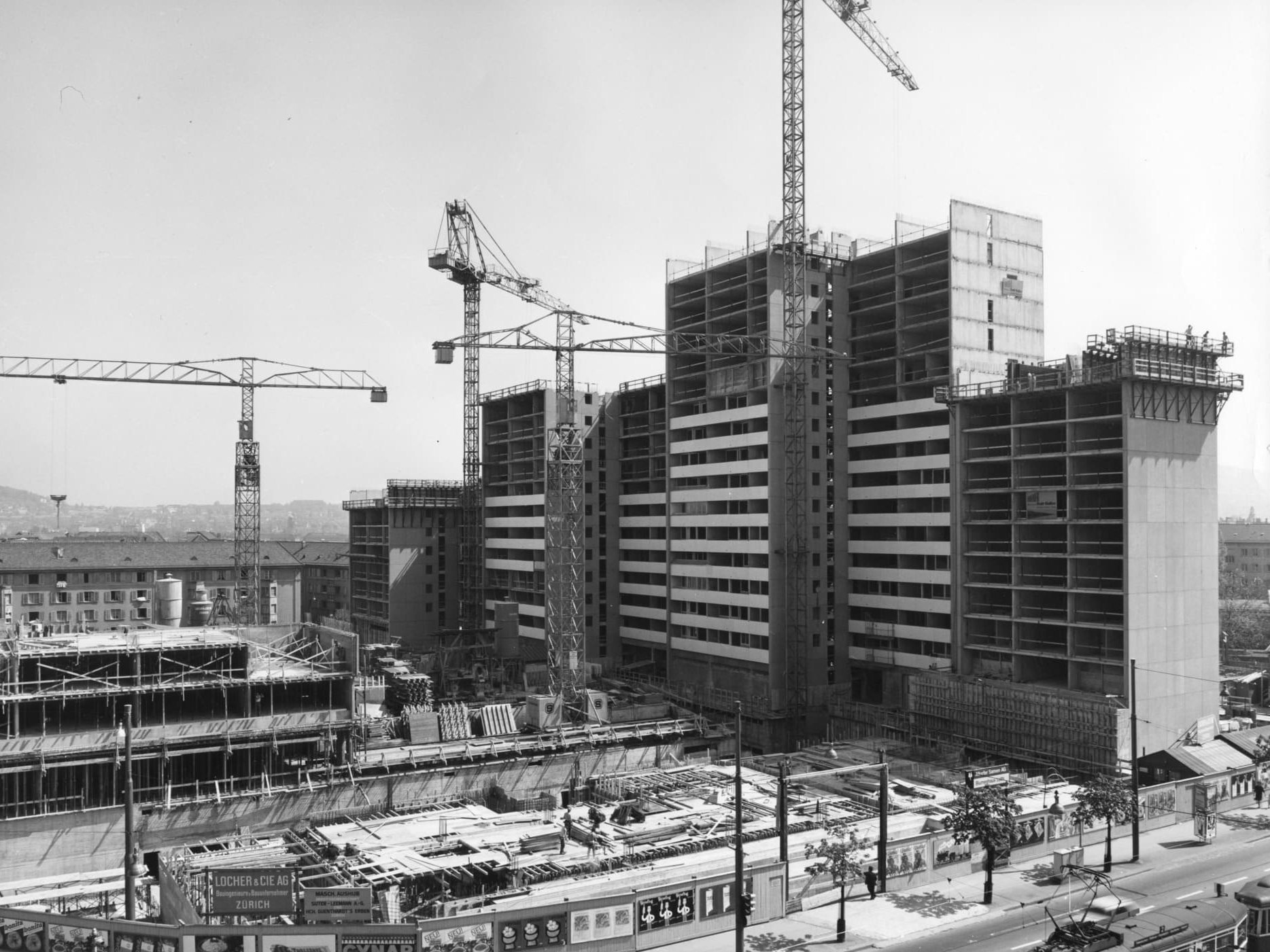
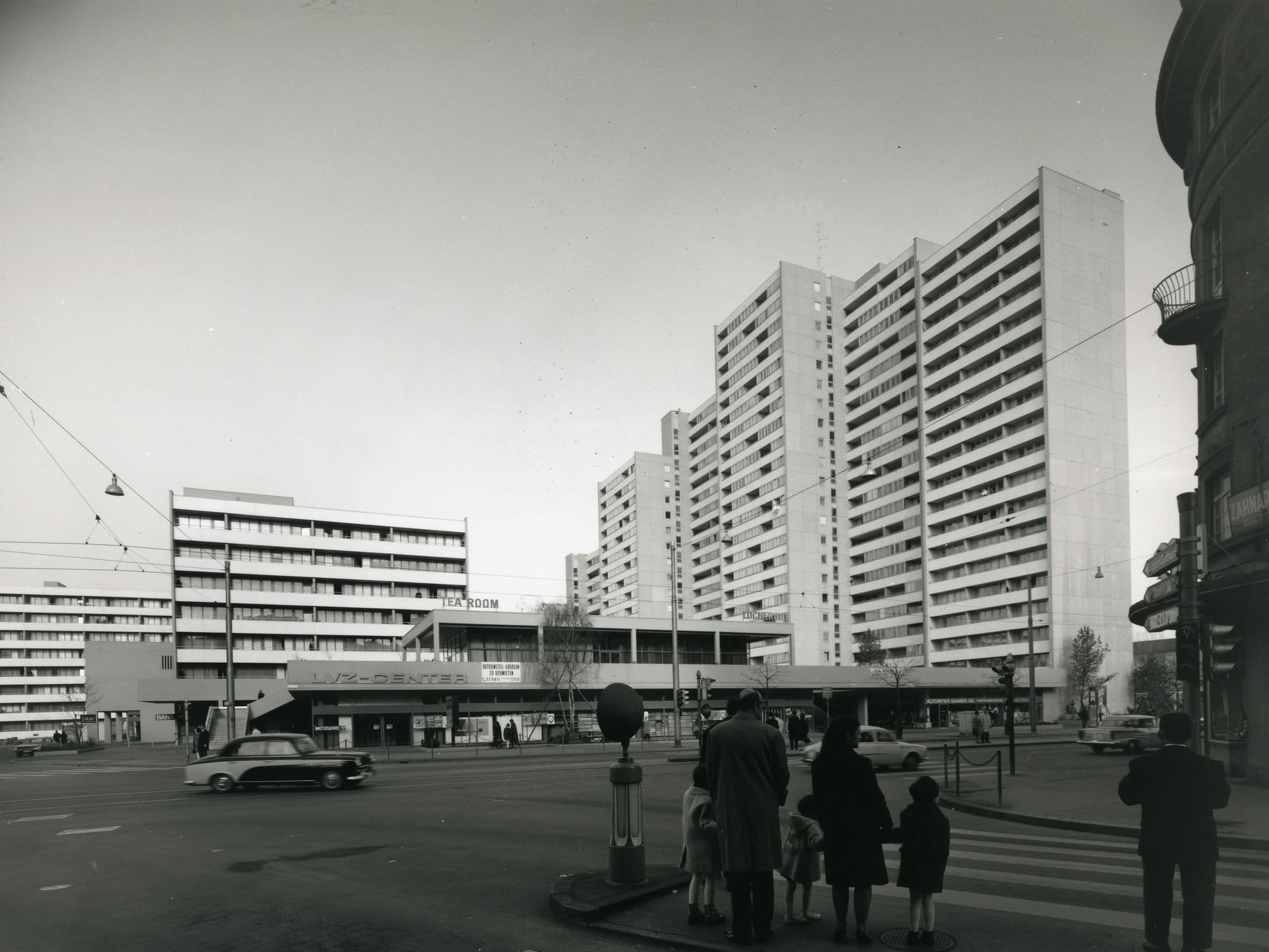
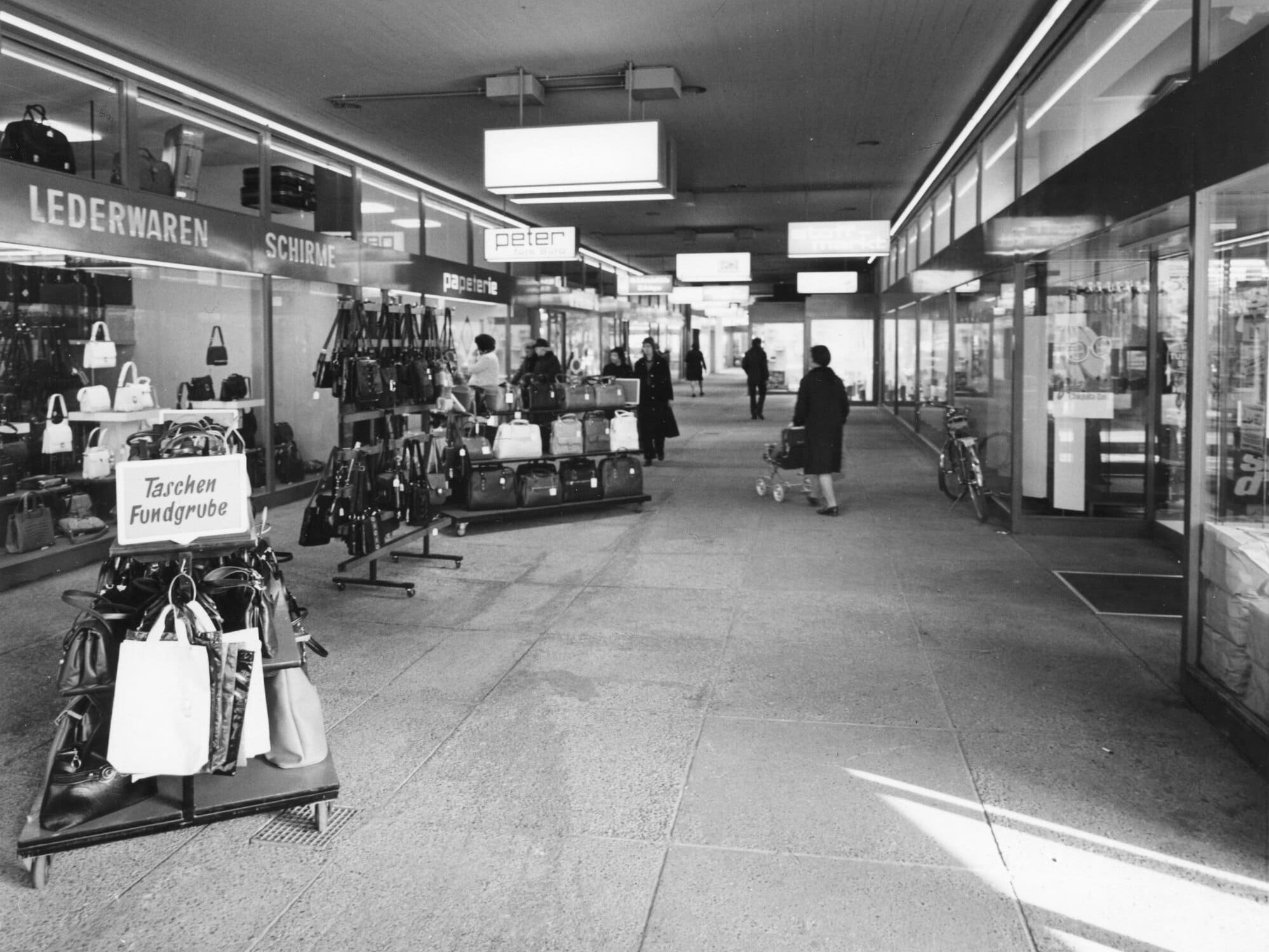
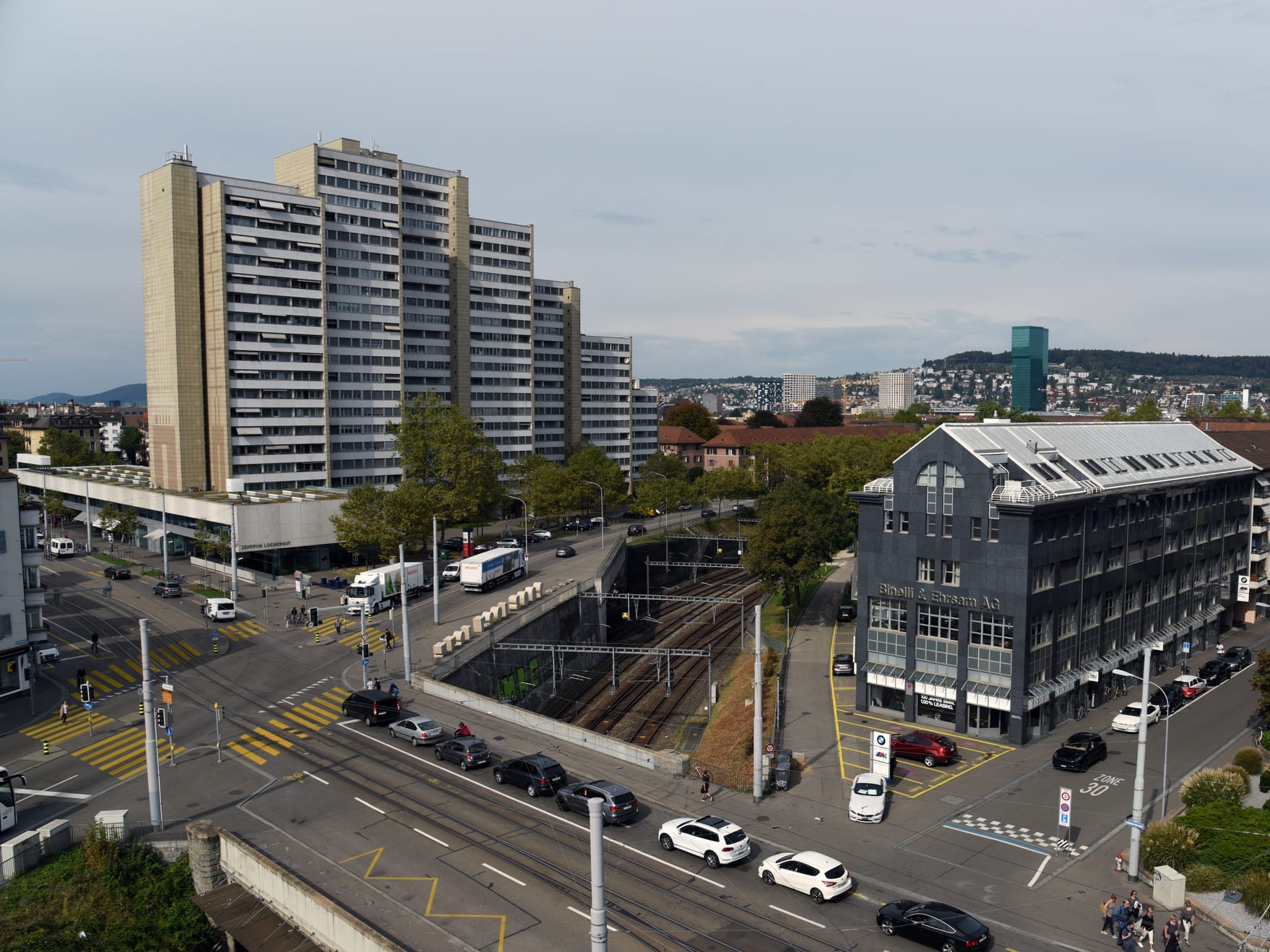
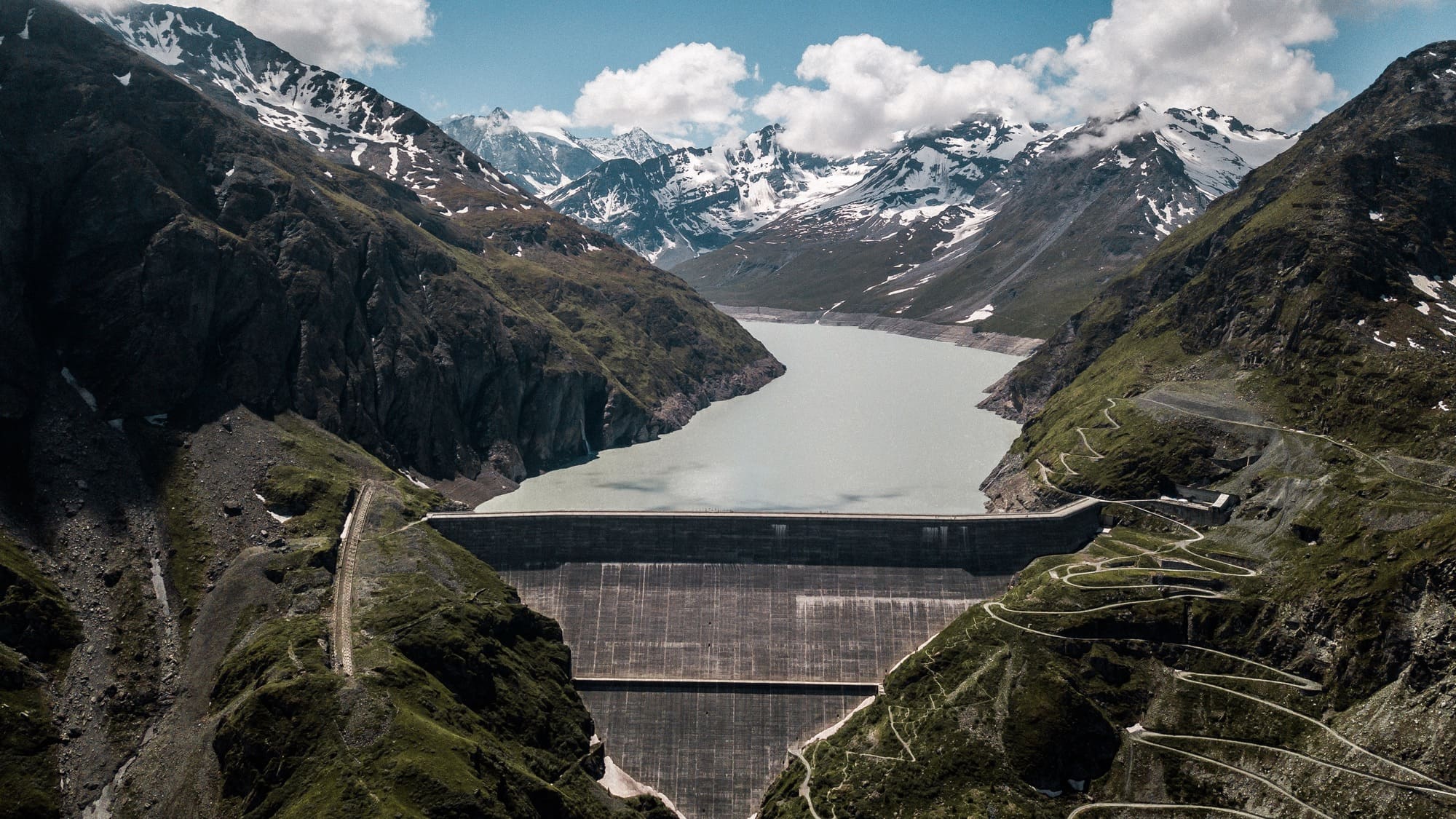
Gone are the days when Max Frisch could still write about Swiss urban planning in 1953: "Swiss architecture almost everywhere has something cute, something cute (...), as if the whole of Switzerland (except when it builds dams) wanted to be a kindergarten." With their enormous dimensions and their mixed commercial and social use, cities such as Geneva ("Quai du Seujet") and Zurich are creating "cities within cities" that offer everything an entire city has to offer in a very small space, from apartments to parking garages, from offices to supermarkets, from hairdressers to bakeries and from doctors' surgeries to restaurants. Architectural theorist Reyner Banham called such developments "megastructures" in 1979. And these megastructures are getting bigger and bigger. In 1973, Heinrich Hatt-Haller began construction work on the "Hardau residential towers" on the western outskirts of Zurich, which were up to 93 meters high. Thanks to prefabrication of the building elements and rational construction methods, construction work also progresses rapidly here: a new storey is built every nine days in front of the population. From 1978, the 570 city apartments are ready for occupancy - and Zurich is enriched by four high-rise buildings.
Densification today: Implenia's "Lokstadt" in Winterthur
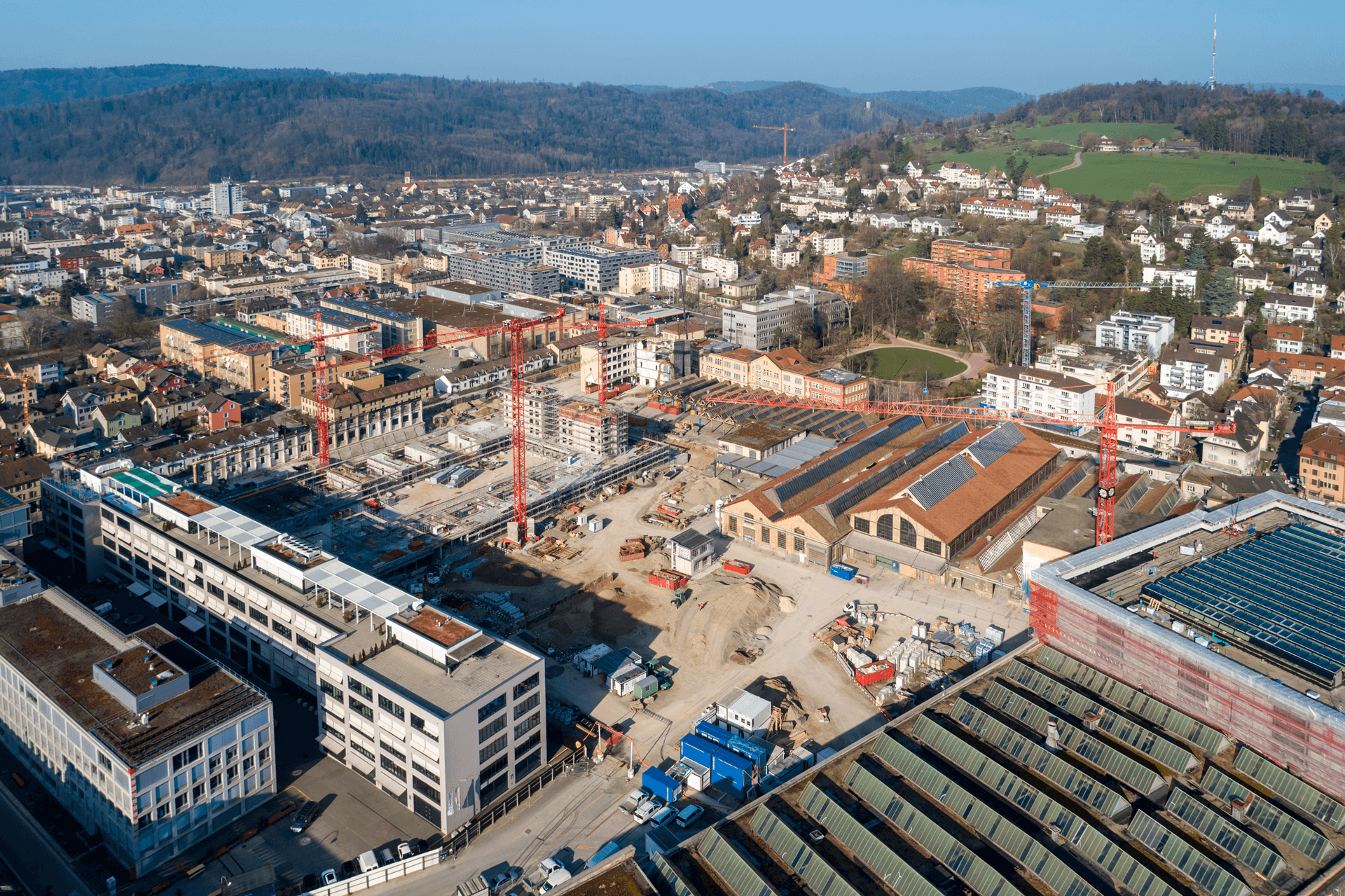
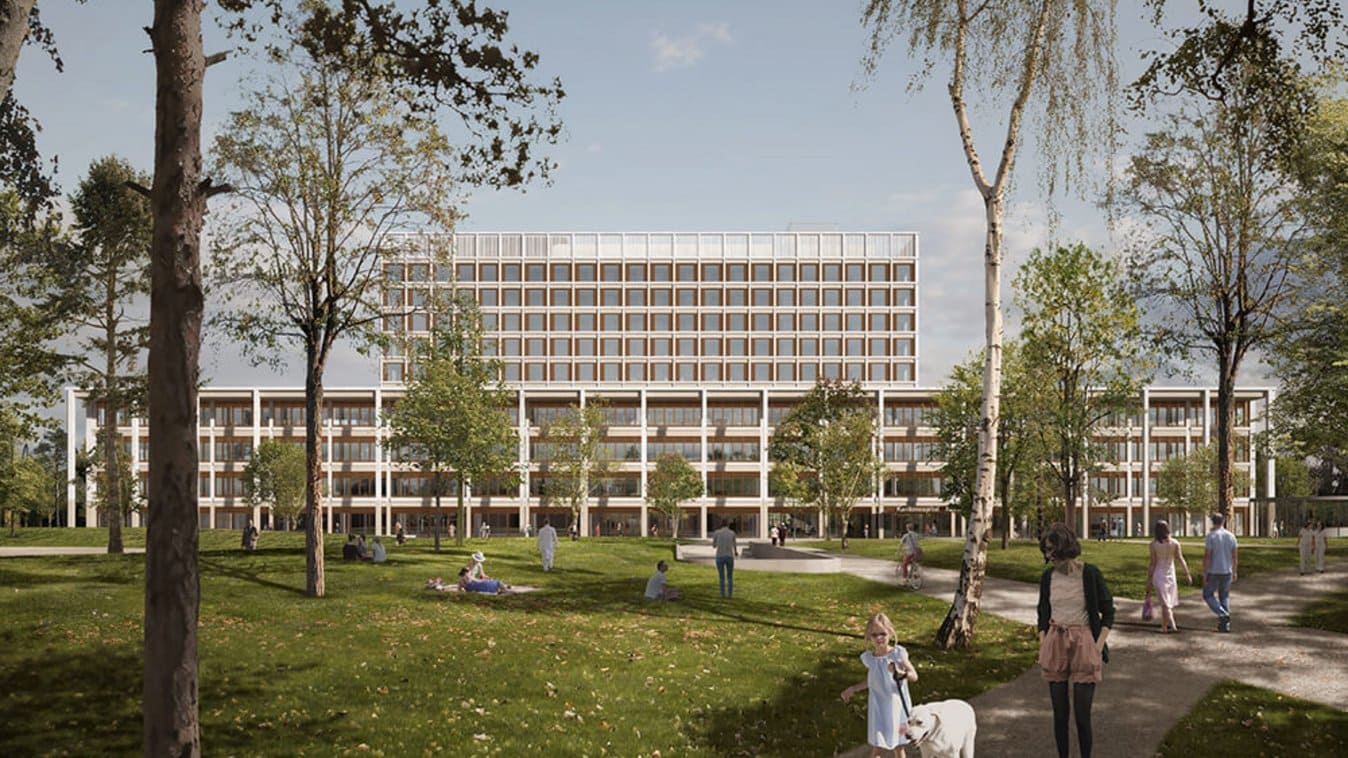
So, as in the past, densification is the order of the day, not only in Zurich, where population density has increased by 14 percent since 2000, but also in neighboring Winterthur. Since 2016, Implenia has been working closely with the city of Winterthur to build the "locomotive city": a mini-city where 1,500 people will find a home in the city center and where living, working, leisure and consumption merge. The former site of the Swiss Locomotive and Machine Factory (SLM), which Implenia is subjecting to a radical metamorphosis for CHF 650 million, measures 123,000m2. The population density here will be around 13,000 people per square kilometer - that is more than twice as high as in the city of Zurich and 55 times higher than in Switzerland.
Just as in the 1960s, the focus here is on efficiency and utilization. Nowadays, for example, this means that the entire planning and execution process is digitally supported by Building Information Modeling (BIM). In addition - as in Göhner's day - prefabricated elements are used wherever possible, such as the timber frame wall elements manufactured in Implenia's timber construction production facility in nearby Rümlang. What is more relevant today are environmental issues, which first became the focus of social attention with the oil crisis of the 1970s. Today, they are an integral part of construction and certification practice as part of the energy transition. Implenia uses a lot of wood in the "Lokstadt" to save gray energy and meet the goals of the 2000-watt society through certifications such as Minergie-P.