


Bains des Pâquis, Geneva, 1931–1933 (Zschokke)
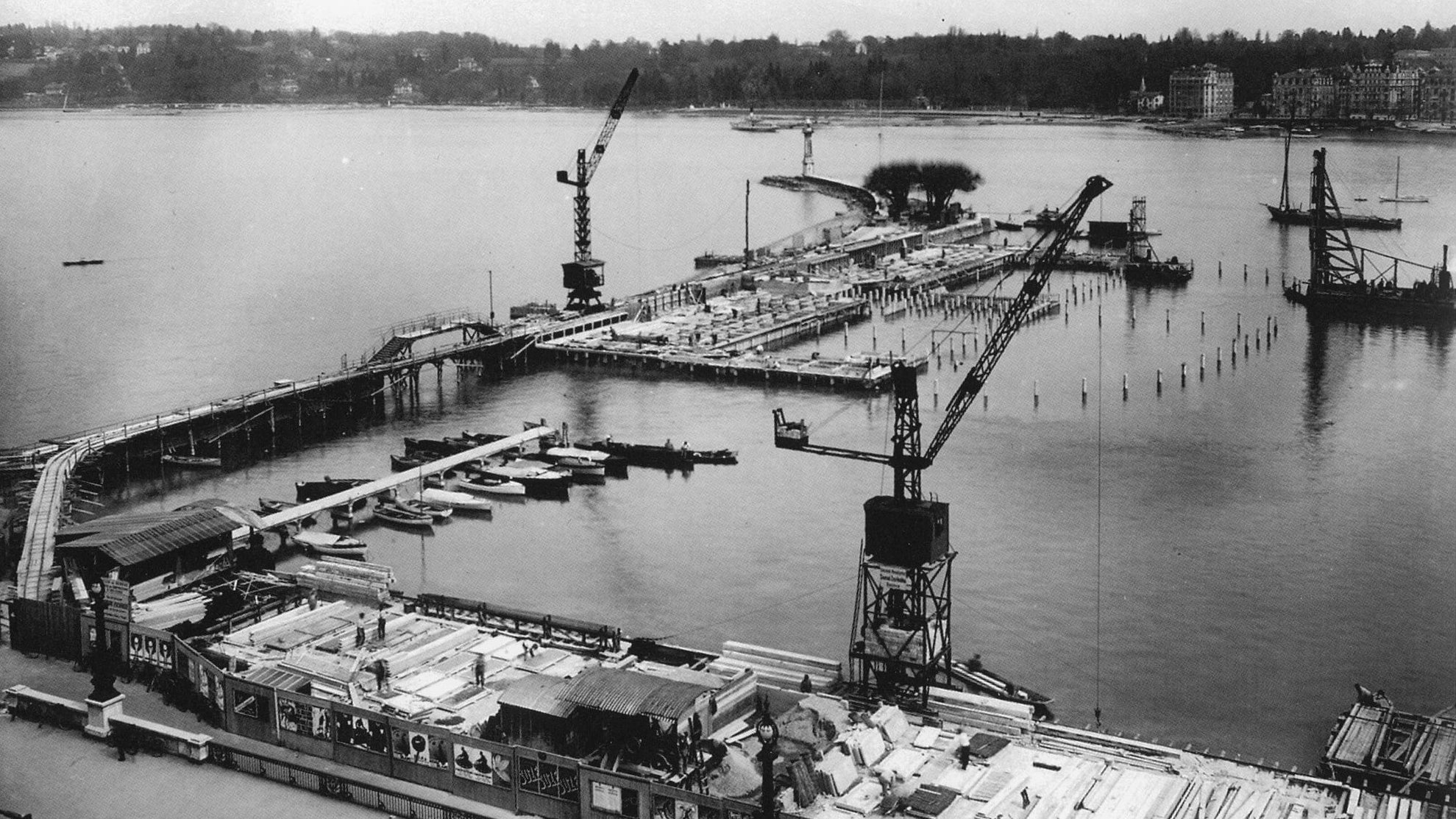
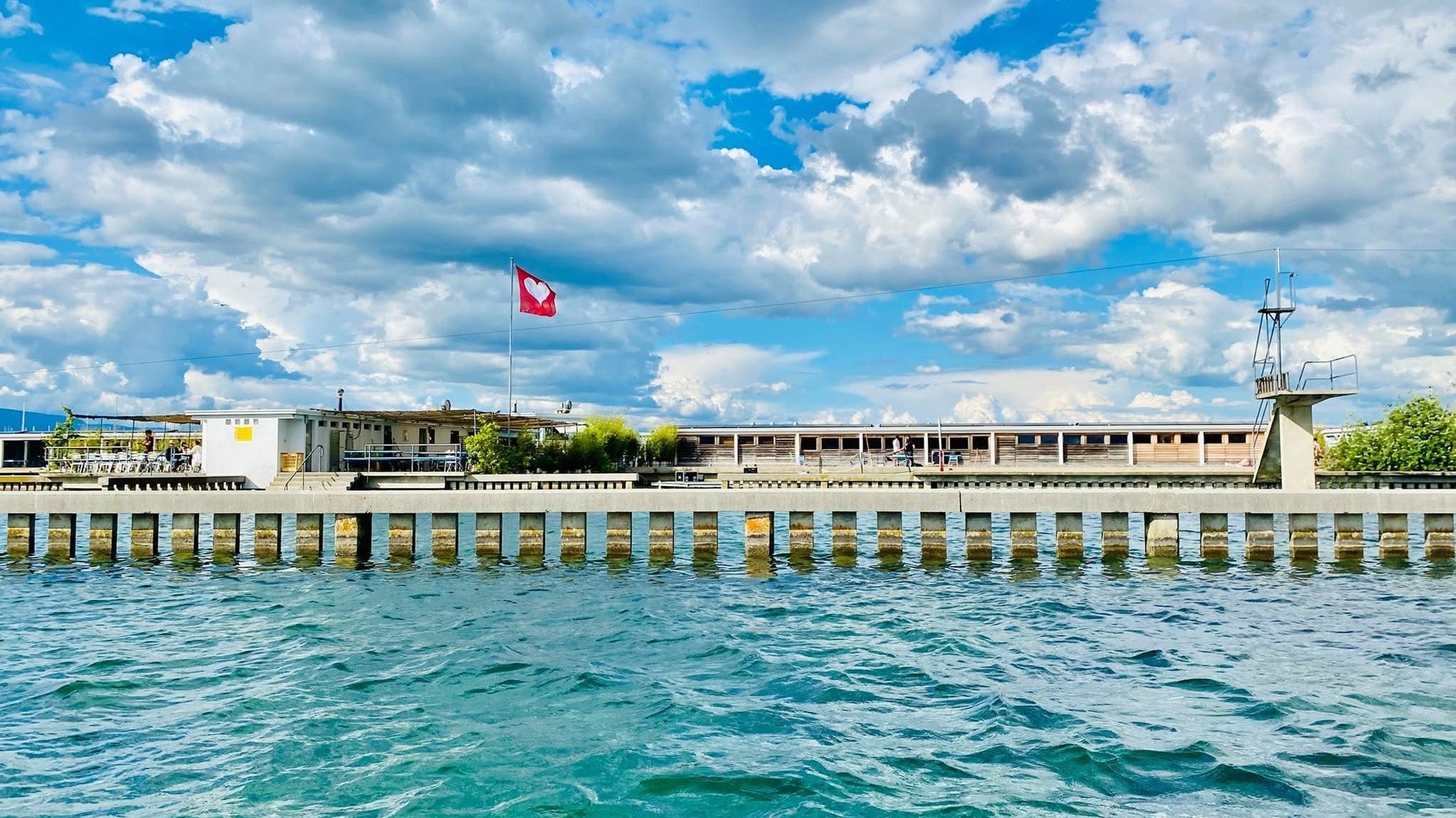
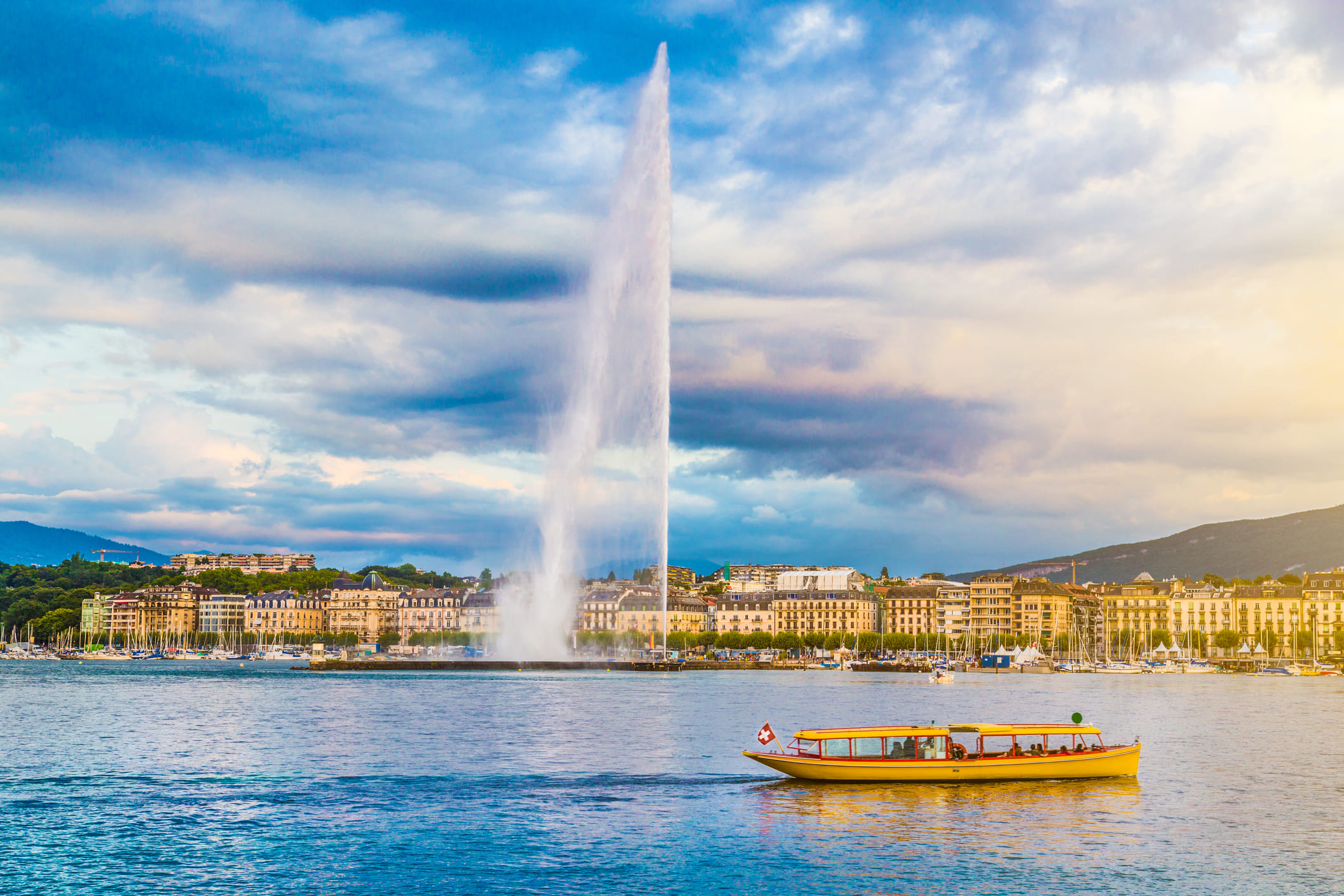
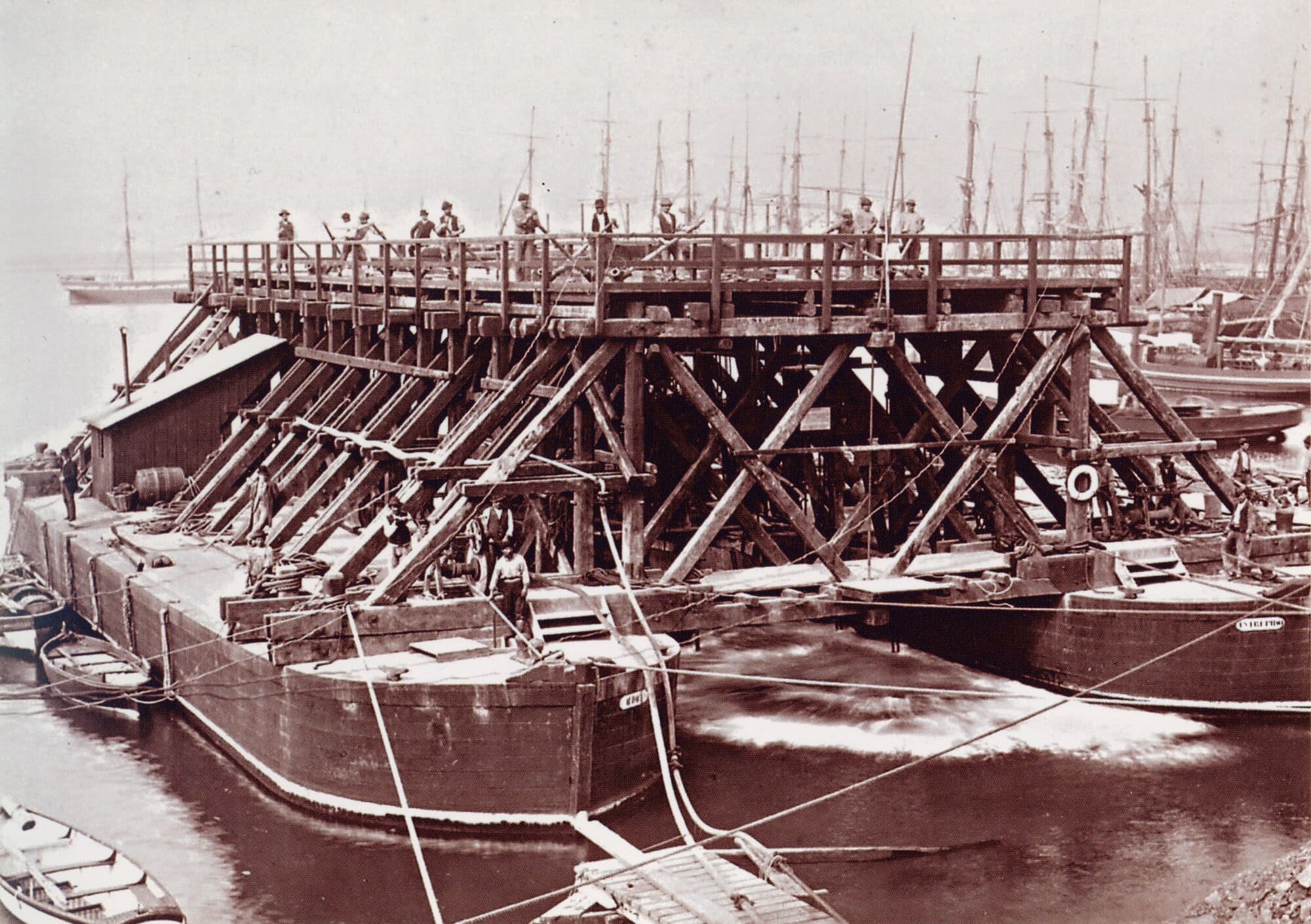
In cosmopolitan Geneva, the Bains des Pâquis is a place where tradition is kept alive. The outdoor pool is located in the middle of the lake and is accessible only via a pier (artificial dam). Built in 1872 using timber construction, it had fallen into disrepair 60 years later. SA Conrad Zschokke was awarded the contract for a complete renovation using solid construction methods. The company first set up a construction site on the shore to prefabricate the piles and reinforced concrete slabs; only then did construction work begin on the lakefront bathhouse. In 1932, Zschokke was able to hand over the Bains des Pâquis to the city of Geneva. The significance the bathhouse had gained among the population over the years became evident when, in the mid-1980s, the city of Geneva planned to demolish the old bathhouse and rebuild it. Opposition grew, and an “Association d’usagers des Bains des Pâquis” launched a referendum against the demolition. On September 25, 1988, the showdown took place. And lo and behold: In the referendum, the demolition plans were overwhelmingly rejected by 72 percent of the vote. Well done, Genevans!
Exhibition Tower, Swiss Exhibition on Women's Work (SAFFA), Zurich, 1957 (Heinr. Hatt-Haller)
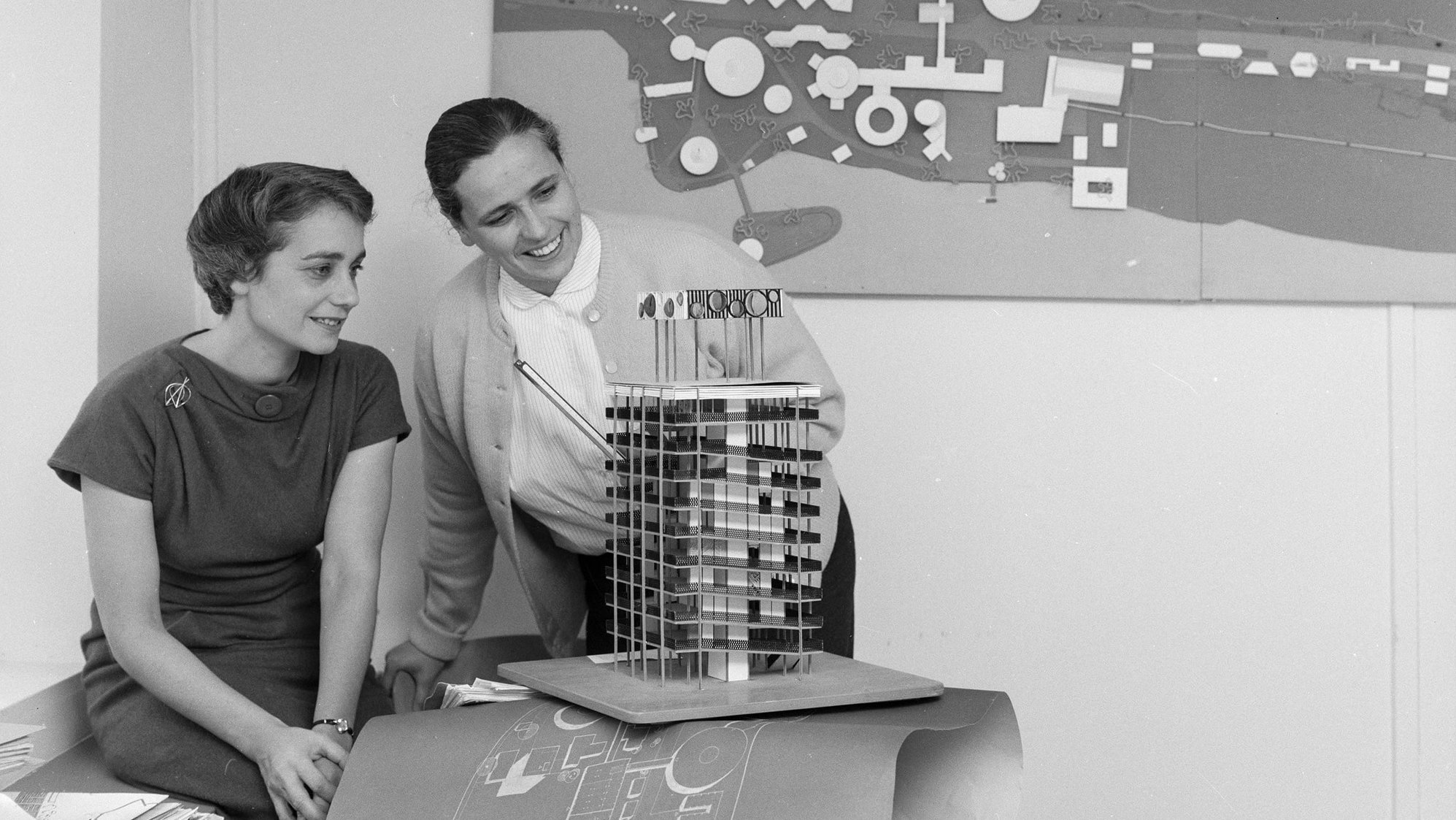
In July 1958, the second “Swiss Exhibition of Women’s Work” (SAFFA) opened its doors at the Landiwiese in Zurich. In pavilions, tent structures, and model buildings, Swiss women showcased their artistic creativity. The exhibits ranged from garden design, art, crafts, and graphic design to the architecture of the exhibition itself. The chief architect of SAFFA was the Swiss architect Annemarie Hubacher-Constam, pictured here on the left alongside Anna Cordes-Meyer, her deputy. The two are inspecting the model of SAFFA’s spectacular exhibition tower, which is accessed via an external spiral walkway. Construction of this SAFFA landmark is being carried out by the long-established Zurich firm Heinr. Hatt-Haller. Unfortunately, however, the landmark will not stand for long: After the exhibition, it will be dismantled to keep the Landiwiese on Lake Zurich available for future uses.
"Halde" Guest Workers' House, Zurich, 1963 (Heinr. Hatt-Haller)
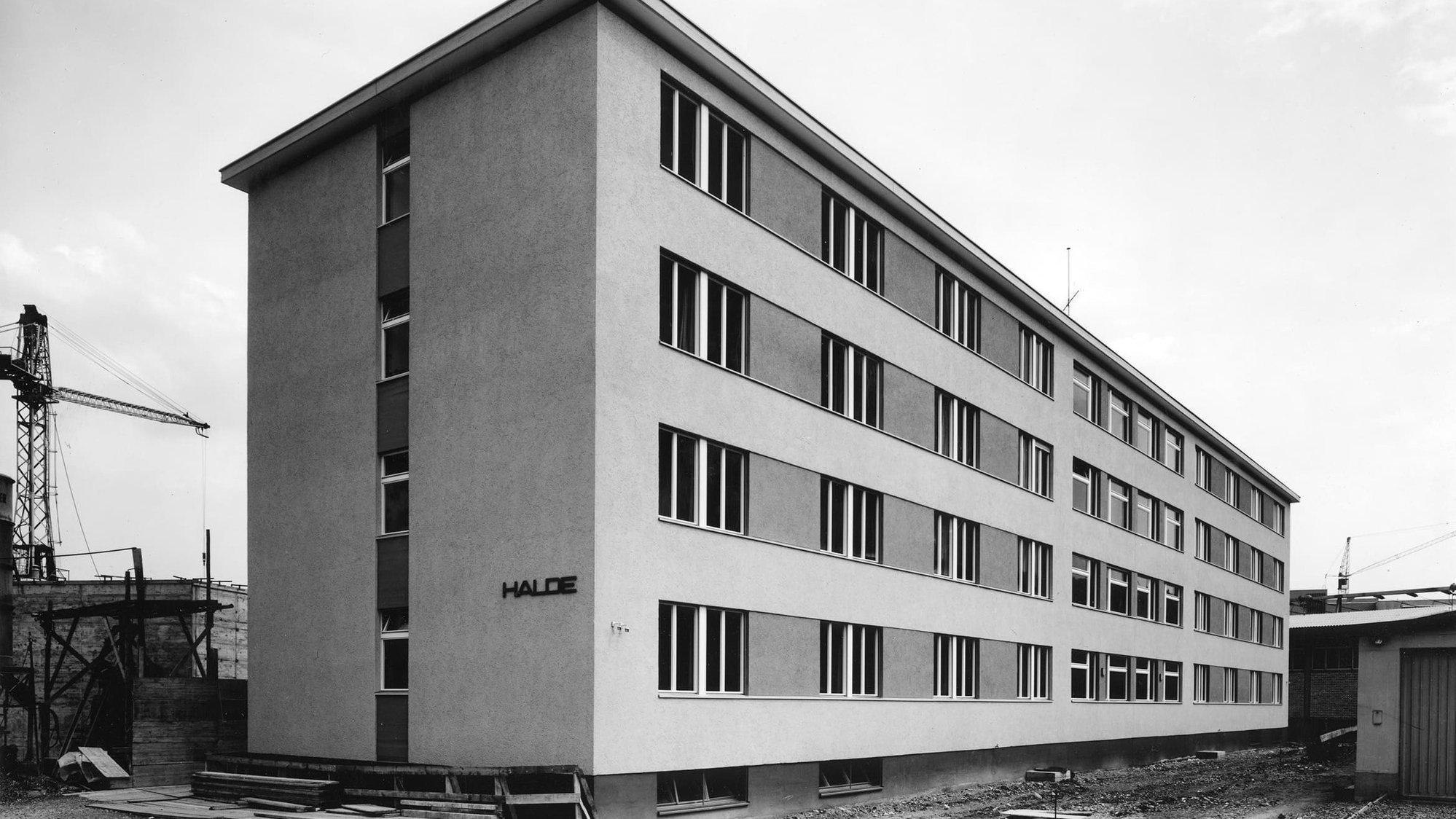

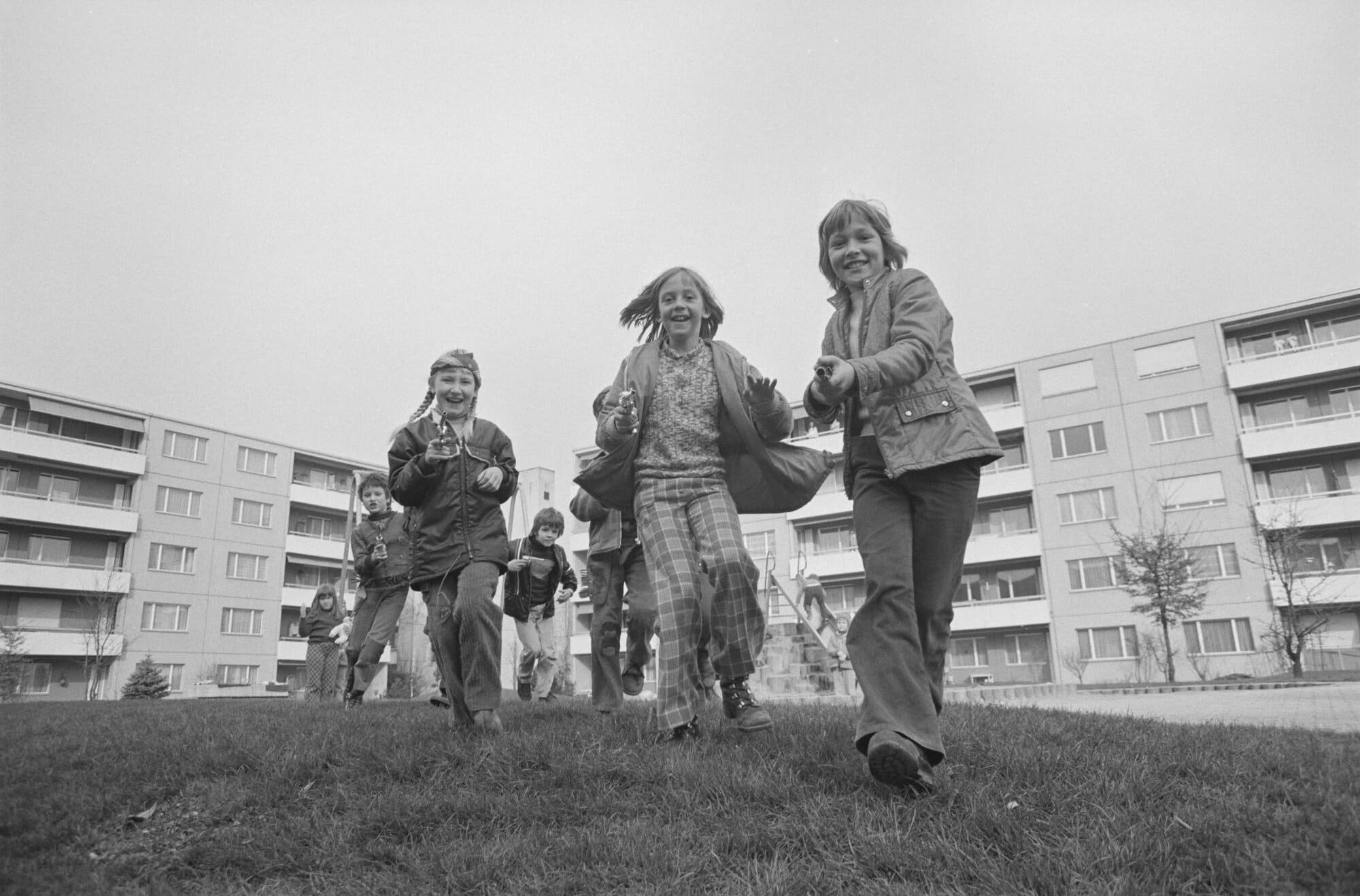
“The illustration of HHH’s newest housing complex for guest workers hints at the problem of securing a workforce, which is dominant in many respects,” reads a 1964 company brochure from Heinr. Hatt-Haller. To be sure, the “Halde” guest worker housing complex, which HHH built directly on the factory grounds in Zurich-Binz, is not an architectural marvel. Yet HHH is a socially responsible employer, and compared to other dormitories, the building is modern and bright and is considered exemplary. The building symbolizes the growing demand at the time for foreign workers—particularly Italians in the construction industry. Consequently, the number of Italian citizens in the city of Zurich tripled between 1950 and 1964, rising from 11,000 to 34,000. Almost all guest workers came to Switzerland as “seasonal workers”—with a residence permit limited to nine months and without their families. For this reason, they preferred (affordable) dormitories to their own apartments.
Access Stairs at Seegfrörni, Zurich, 1964 (Heinr. Hatt-Haller)
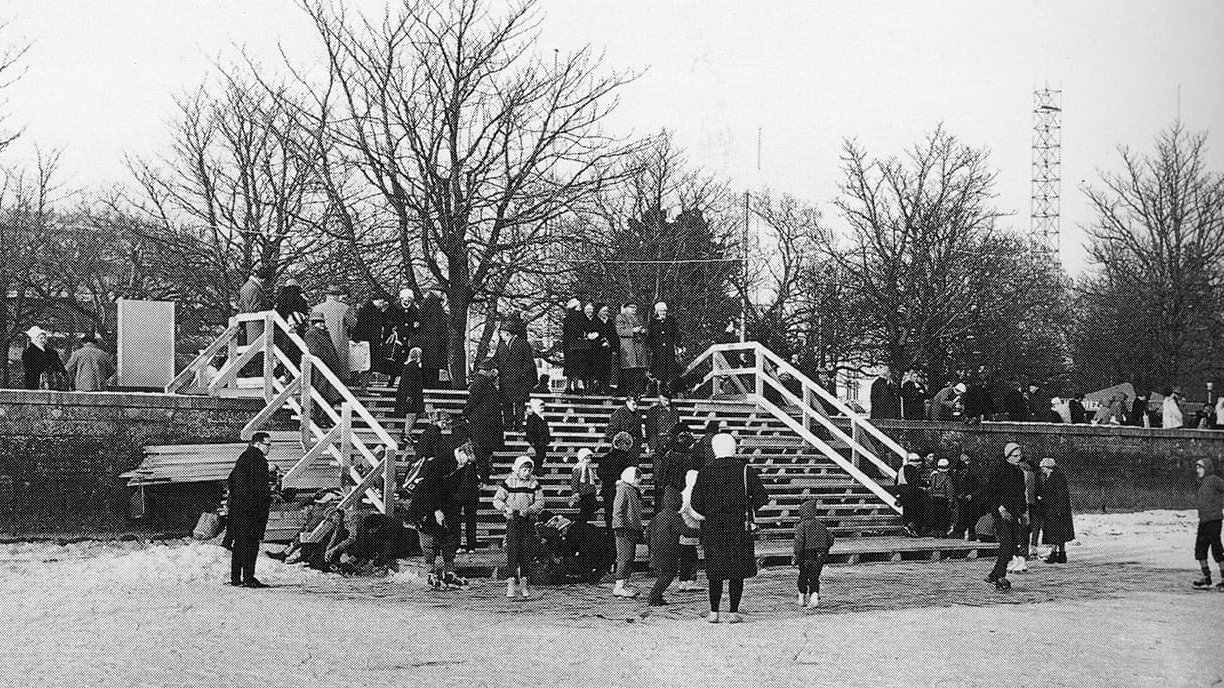
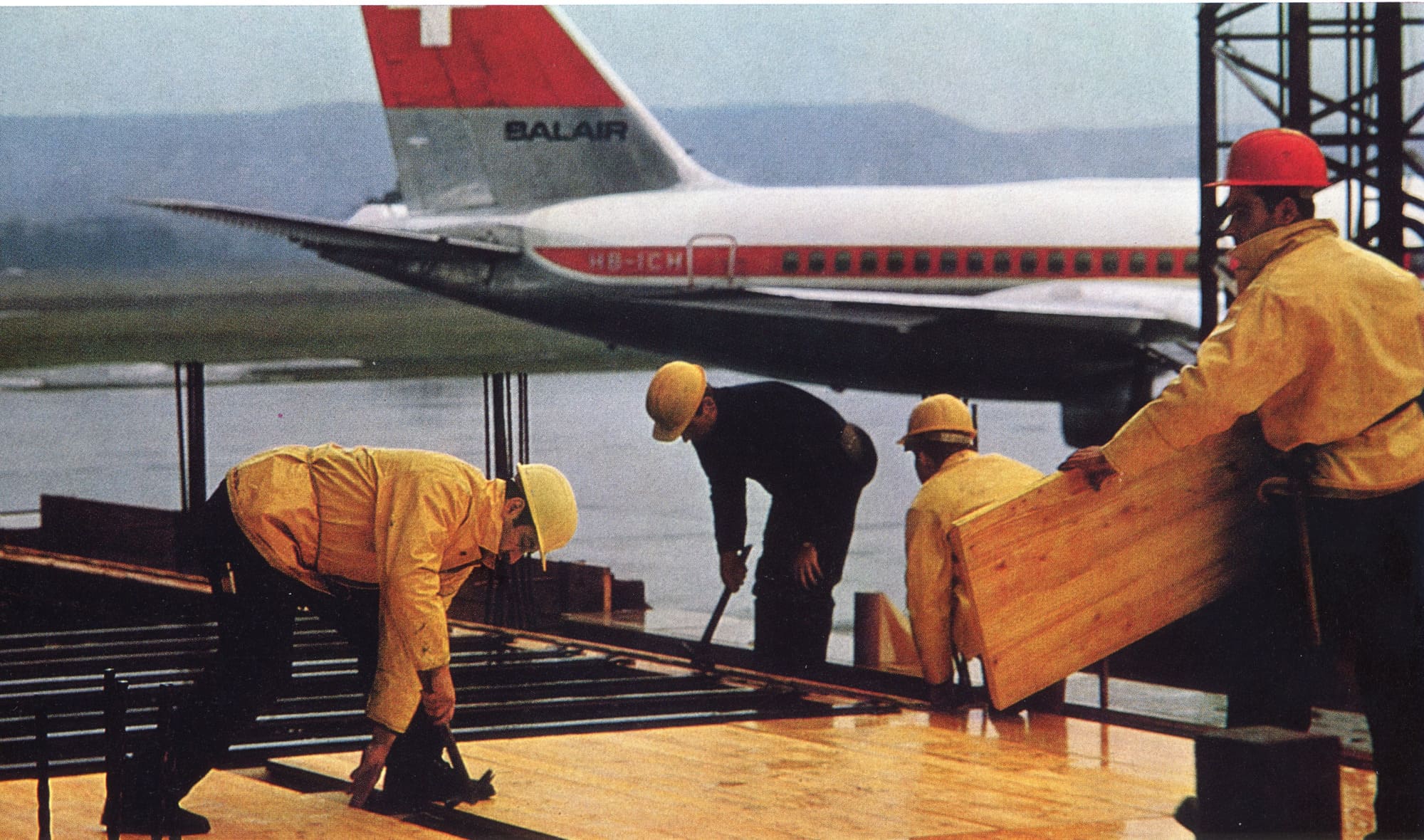
Sometimes greatness is also evident in small things, in spontaneous acts. When an extremely rare “Seegfrörni”—meaning that Lake Zurich froze over completely—occurred in Zurich in 1963, it was the construction company Heinr. Hatt-Haller that reacted immediately and built wooden access stairs so people could walk on the ice—much to the delight of the public.
Parking du Mont-Blanc, Geneva, 1968–1972 (Zschokke)
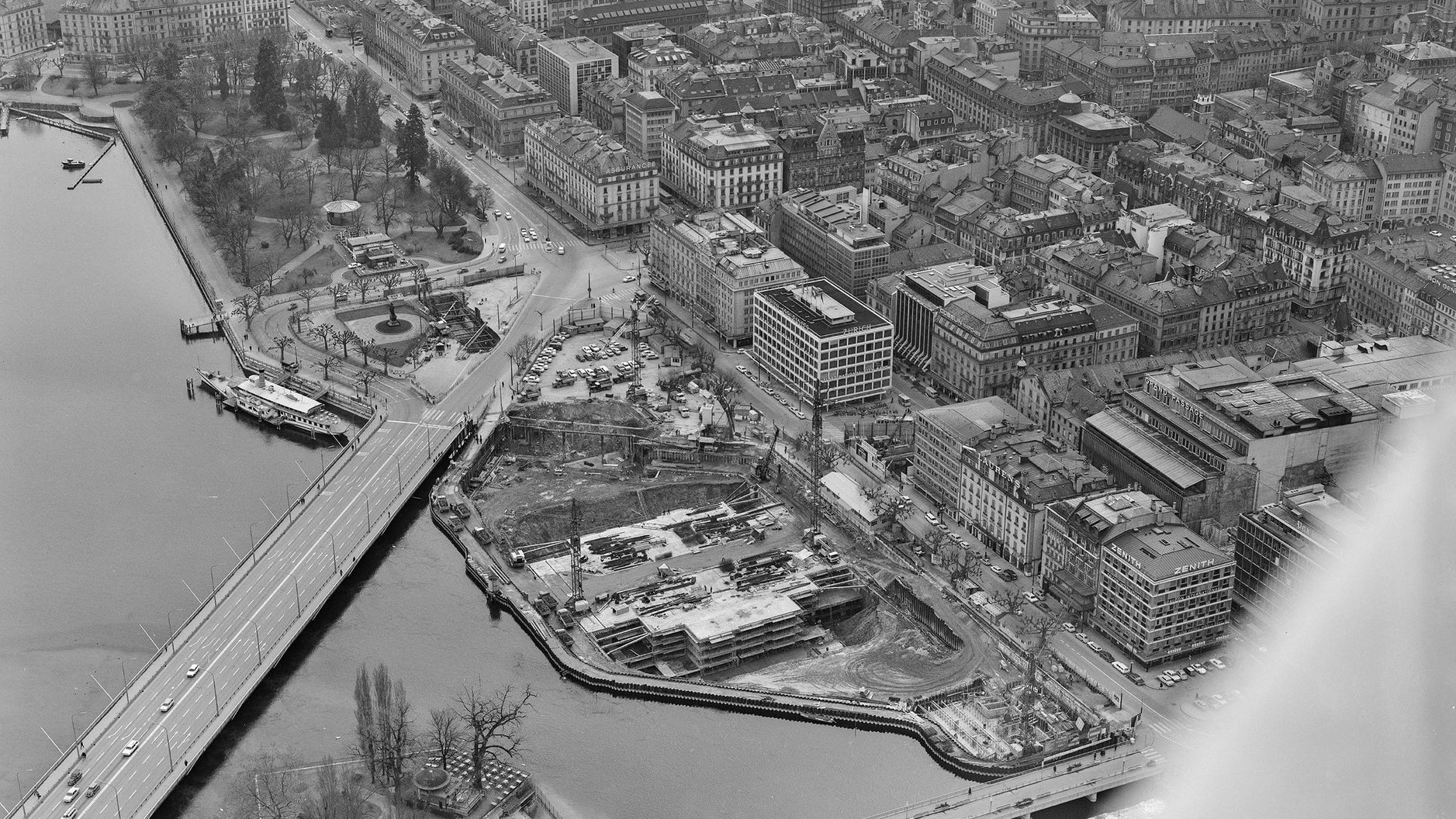
Avid readers of our historical anniversary stories already know this: Zschokke and water go together like stone and mortar. But it’s still surprising that SA Conrad Zschokke would demonstrate its special connection to water even in the construction of a parking garage. Or is it? Geneva’s city center was then, as it is now, one of the most expensive places in Switzerland. At the same time, businesses were demanding parking options for visitors to the city. It was a bold project proposal that enabled SA Conrad Zschokke to win the 1967 bid for an underwater parking garage in the bed of the Rhône River. The facility was designed to accommodate 1,200 vehicles. Construction began in 1968 with the erection of a massive sheet pile wall to drain the construction site. In March 1970, the 85-centimeter-thick concrete platform was poured; a good two years later, on May 24, 1972, the first vehicle parked in the Parking du Mont-Blanc. Another year later, the magical moment arrived: the sheet pile walls were torn down, and the Rhône flooded the parking garage. The birth of an icon underwater.
"Electric Mountain," Dinorwig Pumped-Storage Power Plant, Wales (UK), 1974–1984 (consortium including Zschokke)
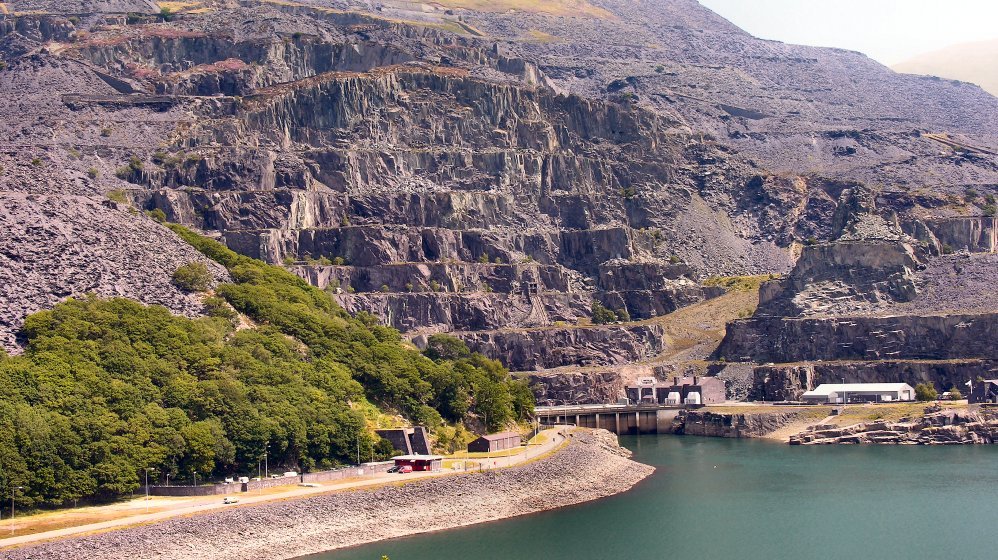
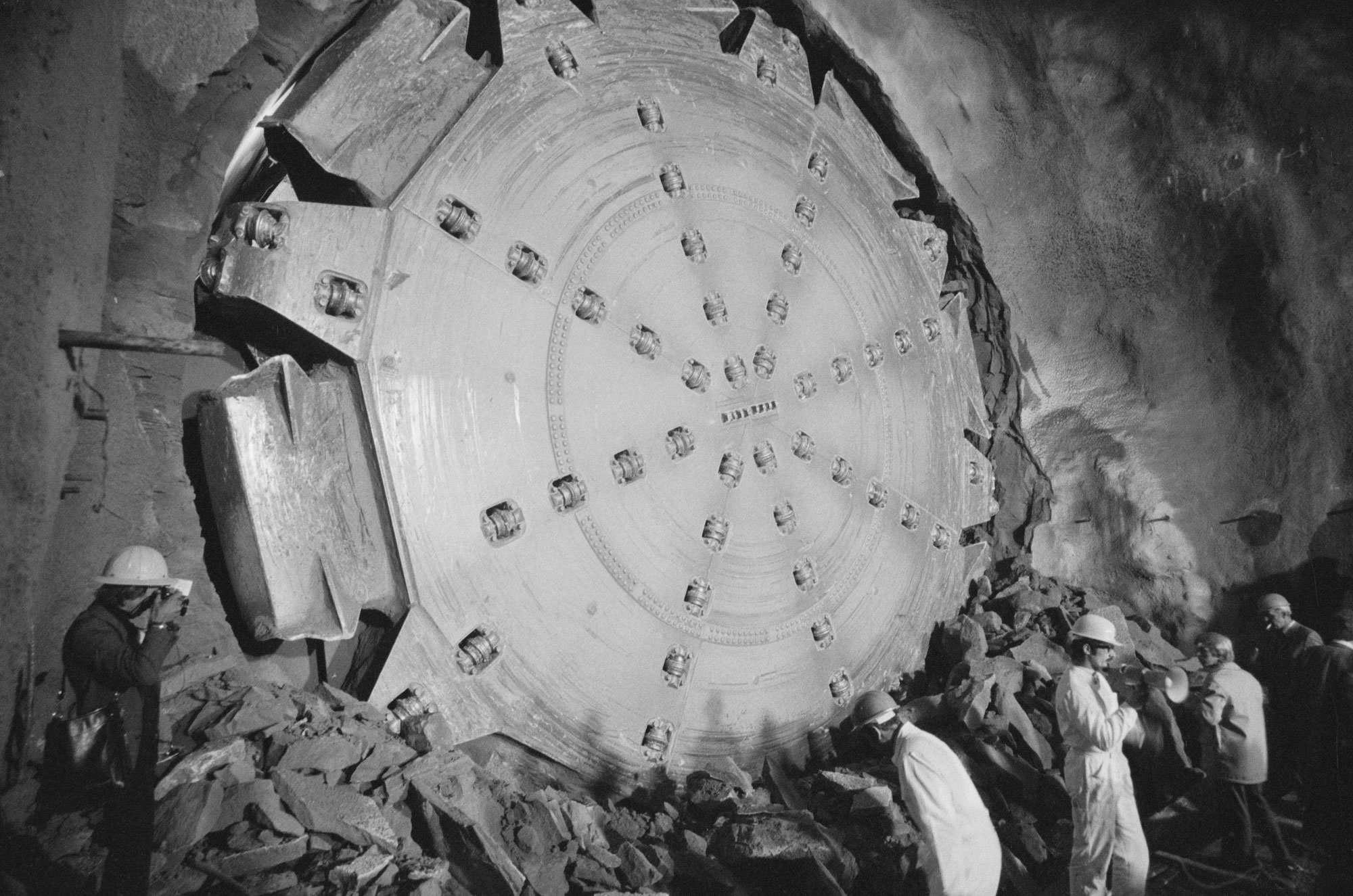
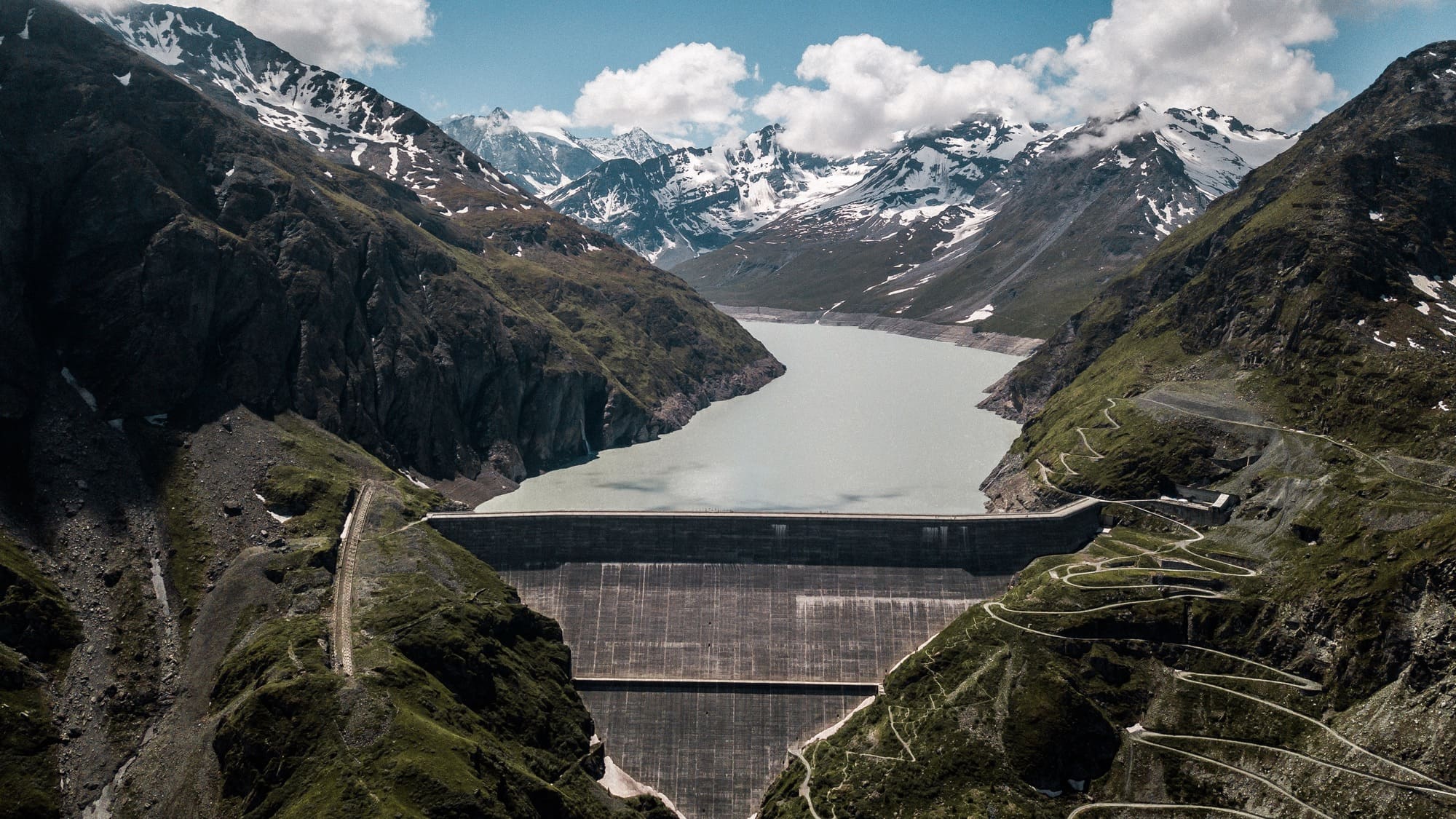
A mountain became a power plant: Construction of what was then the largest construction project in British history—the Dinorwig pumped-storage power plant in northern Wales—took ten years. Twelve million metric tons of rock were excavated deep from the Elidir Fawr mountain, 1 million metric tons of concrete, 200,000 metric tons of cement, and 4,500 metric tons of steel were used to build Europe’s most powerful pumped-storage power plant and the third most powerful in the world. The plant generates this immense amount of energy by pumping water from Llyn Peris Lake into the higher-elevation Marchlyn Mawr Reservoir during periods of low electricity demand, so that it can be released through tunnels and turbines when electricity demand is high. Today, the power plant—with its 16 km of tunnels and a massive, 51 m high cavern—is also a tourist attraction known as “Electric Mountain.” Built by a consortium in which Zschokke held a stake—and to this day a symbol of technical excellence and sustainable infrastructure.
ABC Shelters, Saudi Arabia, 1982–1984 (Zschokke)
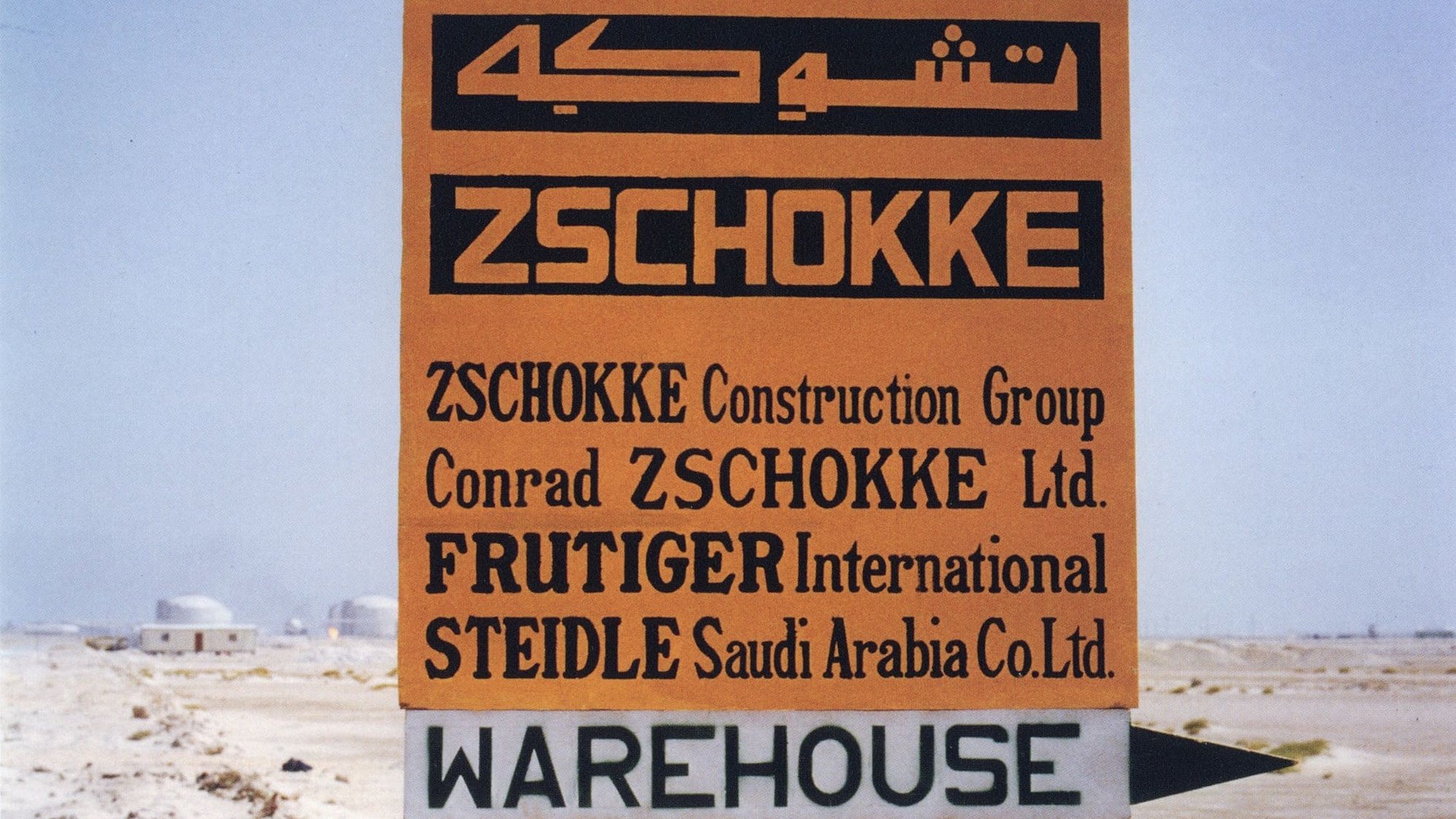
Not every structure is built for everyday use—some are built for emergencies: The situation in the Middle East was tense in the early 1980s. The First Gulf War between Iran and Iraq had been raging since September 1980. As an ally of Iraq, Saudi Arabia had legitimate concerns about air and missile attacks by Iran. The Saudis’ economic lifeline—the oil refineries in the eastern part of the country—was particularly at risk. As the lead contractor, SA Conrad Zschokke was awarded a 300-million-franc contract in 1982 to build countless NBC shelters at the country’s refinery sites. Fortunately, these were never needed.
A Marienfeld for the Pope's Visit, Cologne, 2005 (Bilfinger Berger)
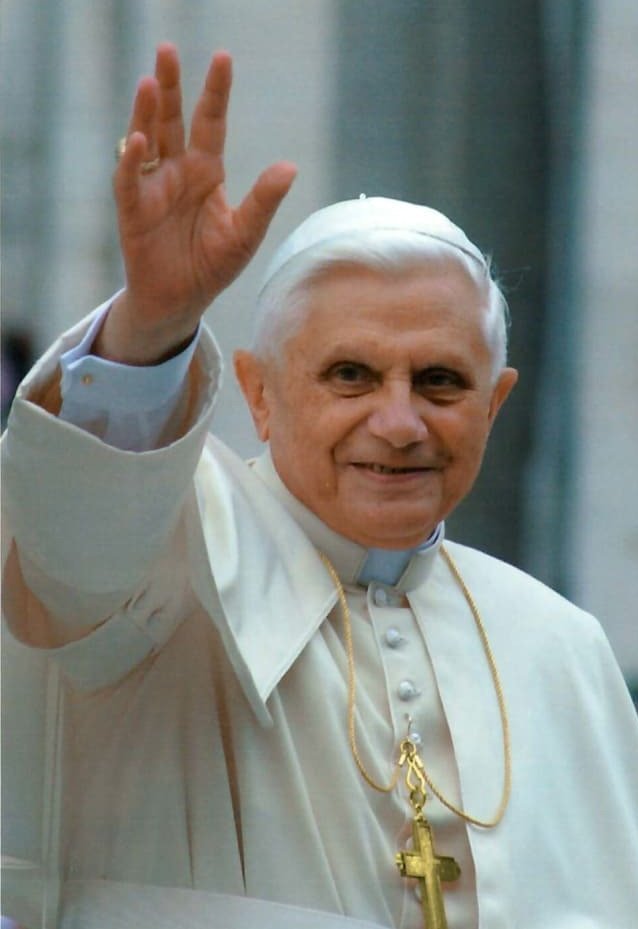
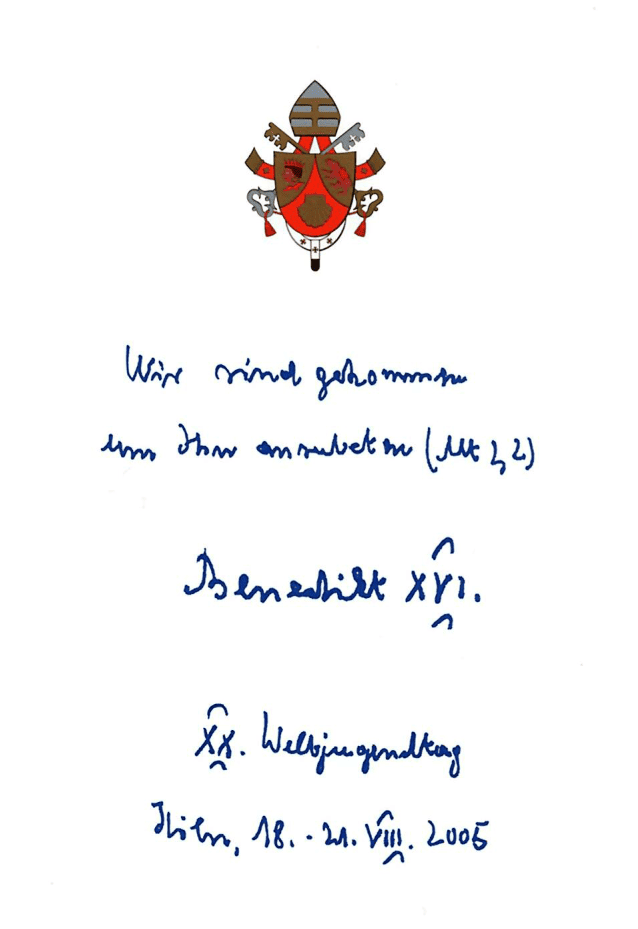

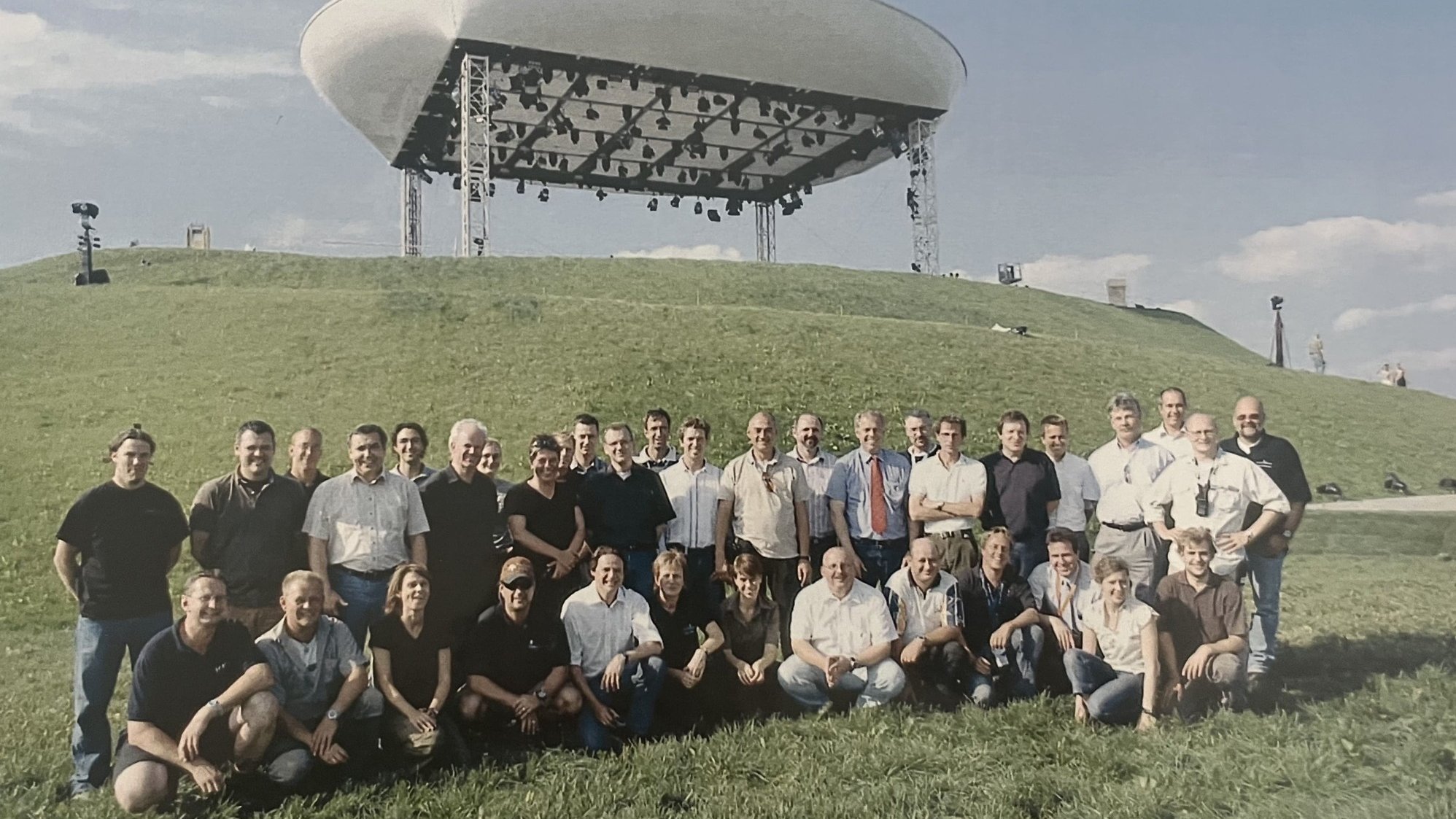
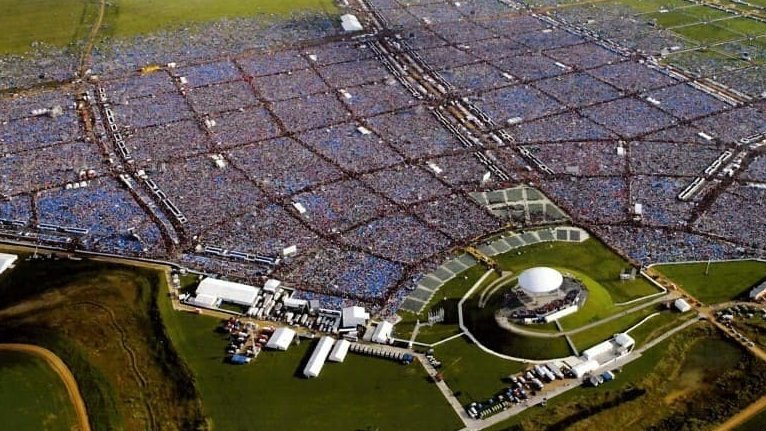
“We Are the Pope” reads the headline in the German newspaper *Bild* when the German Joseph Alois Ratzinger is elected Pope Benedict XVI on April 19, 2005. For his first trip abroad, he chooses to attend World Youth Day in Cologne. And, of course, a papal visit—including the closing Mass—is no walk in the park. In any case, Cologne Cathedral cannot accommodate the more than one million faithful expected to attend the Mass. So Bilfinger Berger, as the general contractor, was awarded a very special contract: the long-established German company transformed a former open-pit mining site west of Cologne into the “Marienfeld,” the central venue for World Youth Day.
Lighthouse and Sailors' Hotel, Europa-Park Rust, 2011 (Bilfinger Berger)

From children’s books to romance novels to dark horror films like *The Lighthouse*—lighthouses serve as the backdrop for countless stories and movies. Their original purpose—as an indispensable navigational aid for sailors—is, however, increasingly being lost thanks to GPS, radar, and electronic nautical charts. This makes it all the more surprising that in 2011, Bilfinger Berger was awarded the contract to build a 35-meter-high lighthouse that wasn’t even to be built on a coastline, but in the middle of the European continent: at Europapark Rust (Germany). The North Sea coast is about 720 km away from here. Of course, this lighthouse does not serve as a navigational aid, but rather as an attraction within a theme park—specifically, as an outpost of “Bell Rock,” arguably the first four-star “sailor’s hotel.”
Wooden Elephant House at the Zurich Zoo, 2012–2014 (Implenia)
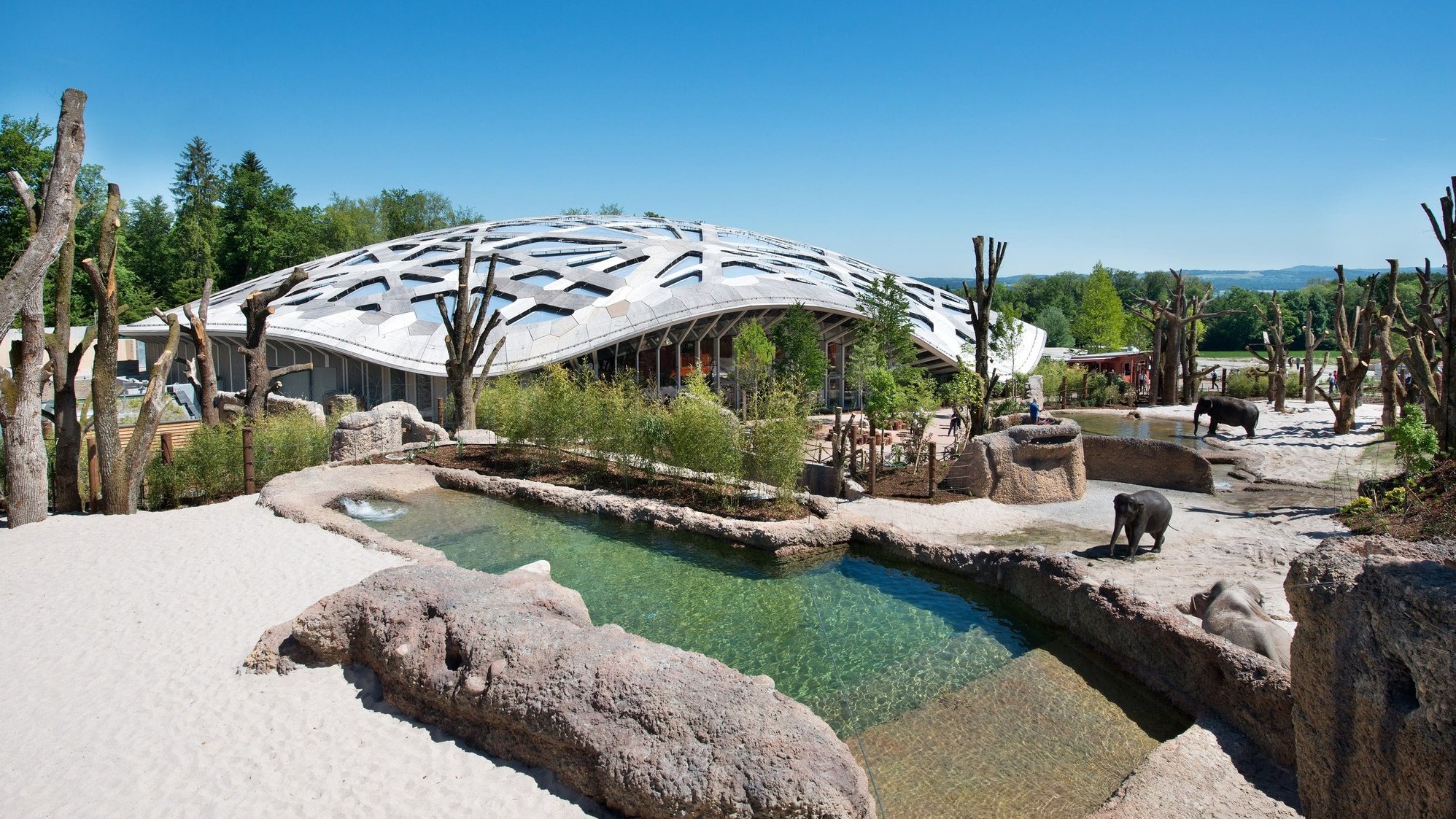
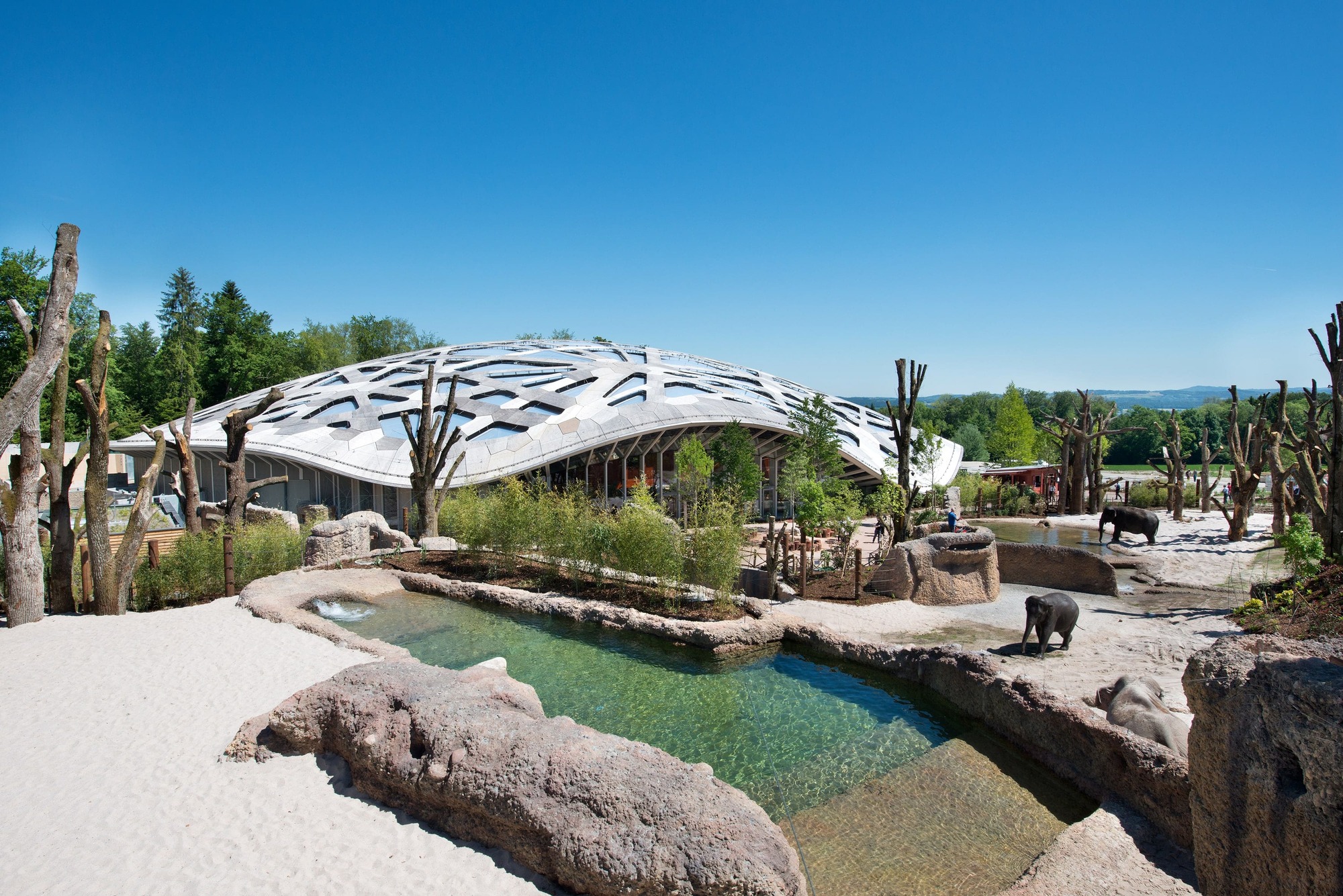
Absolutely stunning: With the construction of the elephant house at the Zurich Zoo as a timber structure from 2012 to 2014, Implenia is continuing a long tradition of construction: Heinr. Hatt-Haller (HHH), one of Implenia’s predecessor companies, had already built the Predator House here in 1932. Architecturally, however, the Elephant House, designed by Markus Schietsch Architects, is a far more daring project. The entire honeycomb-shaped roof is a free-form structure without consistent curves or radii and spans over 80 meters without supports, allowing for a spacious interior enclosure for the elephants.
This required meticulous 3D planning and digitally generated cutting and shaping data for over 1,000 different components, which in turn demanded precise logistics. Despite the digital data, however, accurate craftsmanship was also essential: The 271 light openings were cut into the shell using chainsaws; these were then sealed with UV-permeable construction film, allowing for an abundance of natural light. In 2015, the project was awarded the Recognition Prize by the expert jury of the prestigious Swiss timber construction award, Prix Lignum. A well-deserved honor.
Schöllenen Renovation Project, Canton of Uri, 2015–2019 (Implenia)
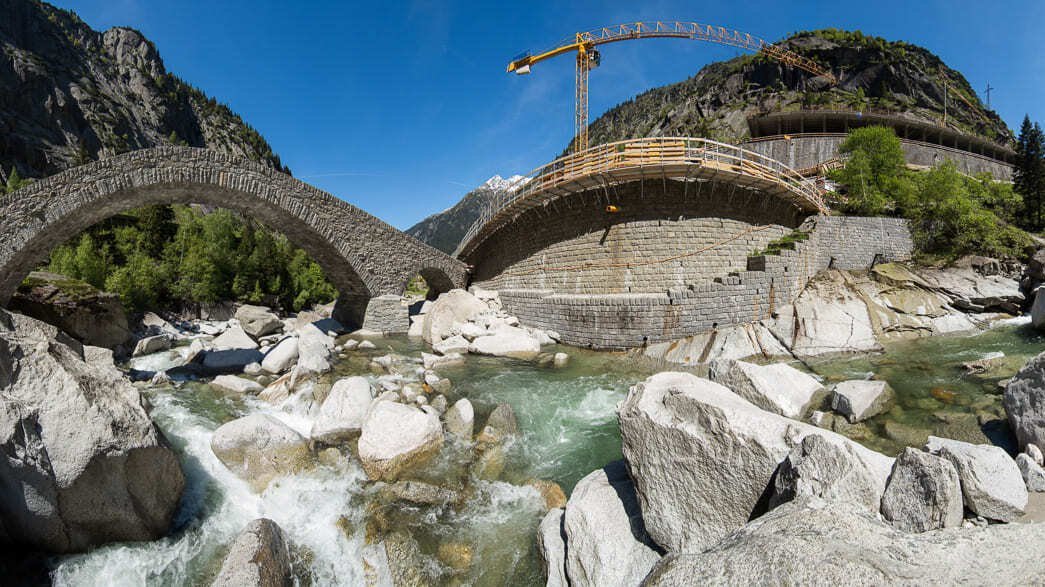
As part of the old Gotthard Pass road, the Schöllenen Gorge in the canton of Uri is legendary—not least because of the legendary Devil’s Bridge. From 2015 to 2019, Implenia will carry out renovation work on the northern section of this historic route. The biggest challenge is the exposed location of the construction site, which climbs over 300 meters in elevation between rugged rock formations. “When it rains up here, the water comes from all sides,” says Heinz Niederberger, Implenia’s project manager at the time. During the first year of construction, a massive rockslide occurred in the valley—2,500 metric tons of granite crashed down into the Schöllenen Gorge. Fortunately, no one was injured, and the construction site was not affected. Logistics up here are tricky: Due to heavy traffic, a temporary surface must be laid daily after work during the summer vacation period and on weekends to ensure that the Schöllenen remains passable on two lanes. On weekdays, the 40 Implenia employees work in three shifts from 5:00 a.m. to 10:00 p.m. Despite all the challenges, Implenia was able to complete the work on schedule in 2019.
Böögg, Sechseläutenwiese, Zurich (HHH, Implenia)
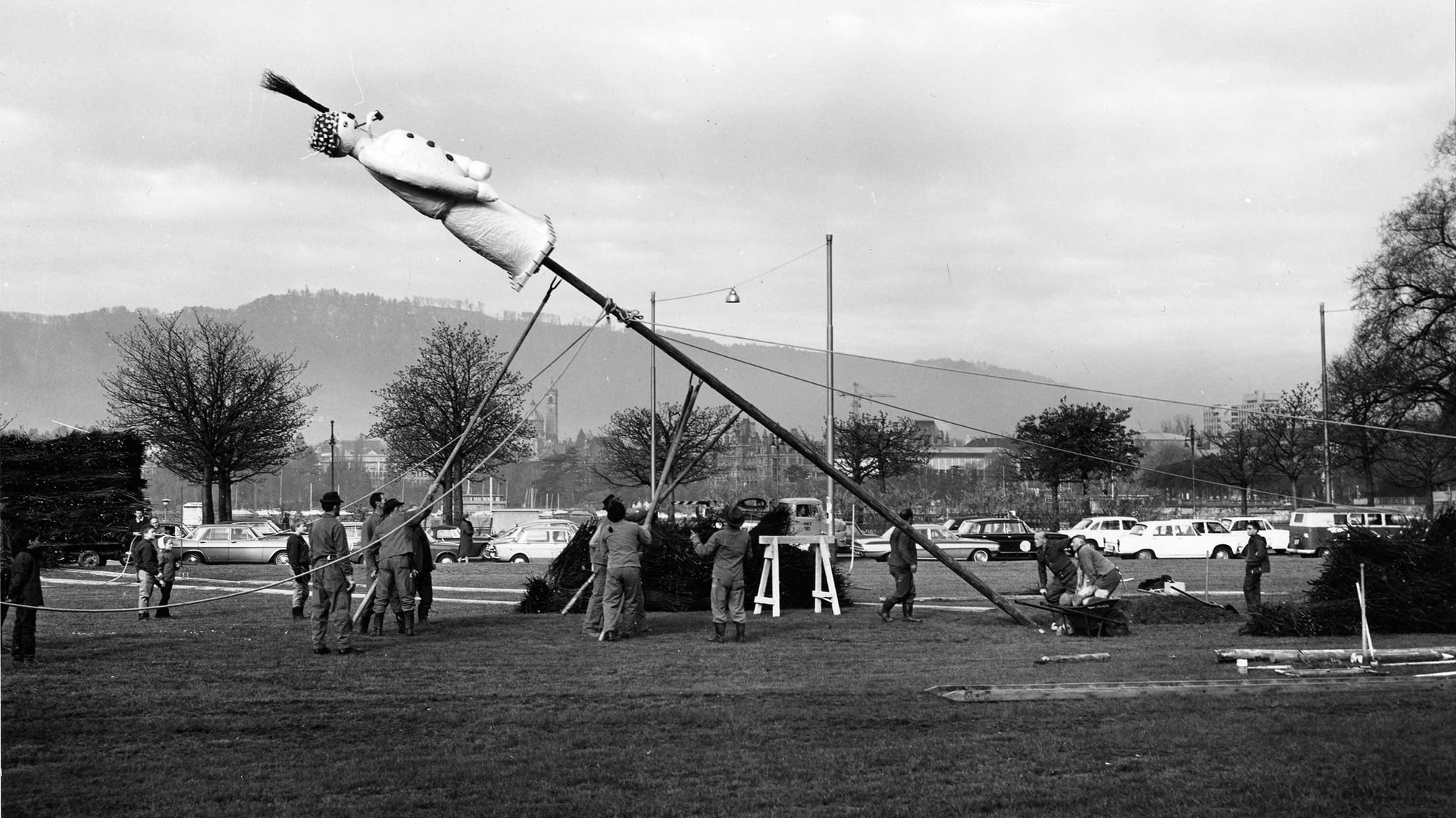
The Sechseläuten is the most Zurich-esque of all Zurich’s folk festivals. For 500 years, the guilds have been celebrating the transition from winter to summer with thousands of spectators on the third Monday in April. The highlight of the festival is the burning of the “Böögg” on the pyre. According to legend, depending on when the snowman’s head—filled with firecrackers—explodes, the summer will either be good or bad. To ensure that technical glitches don’t interfere with the oracle, precision and expertise are, of course, essential when setting up the Böögg.
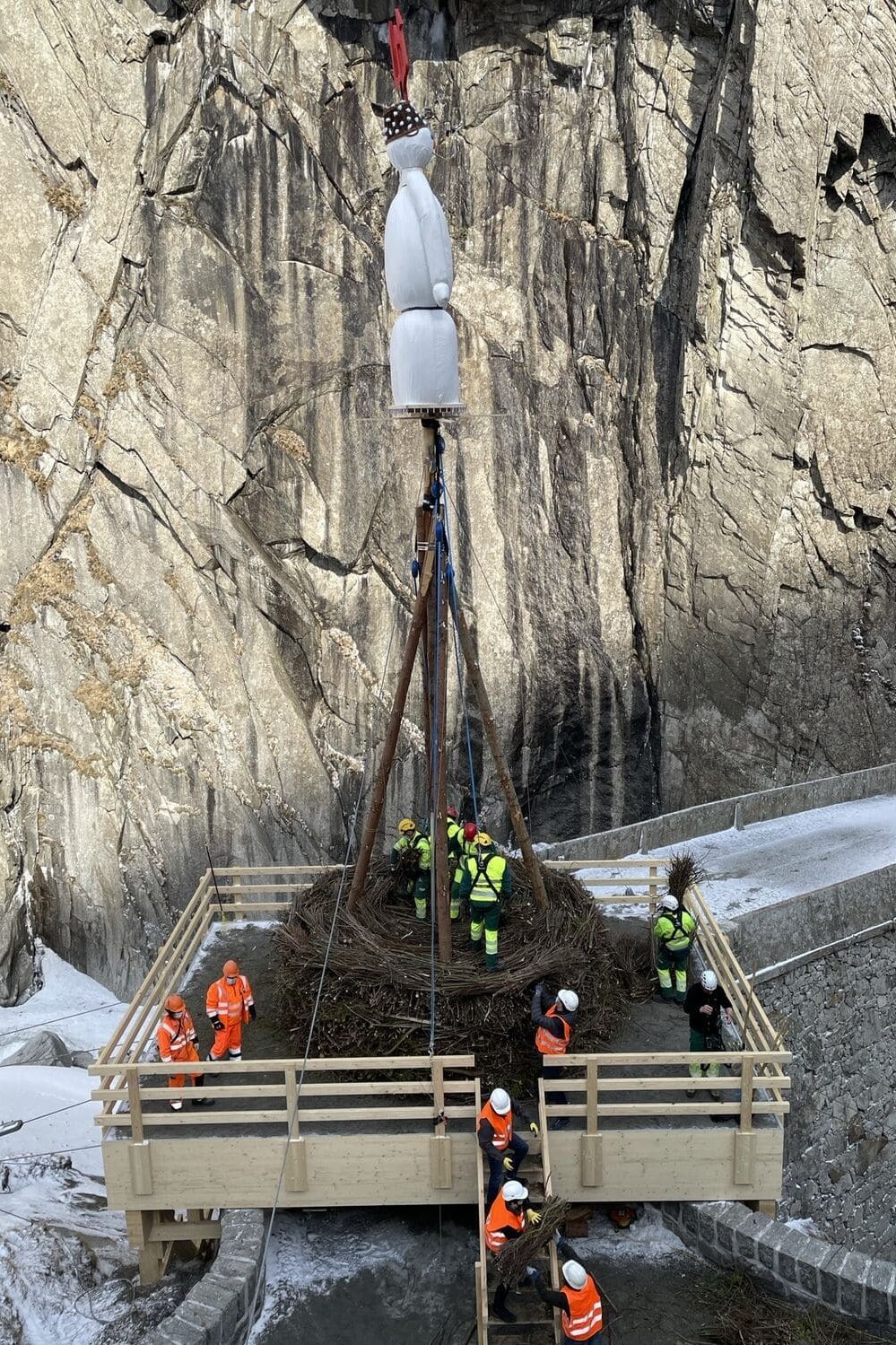
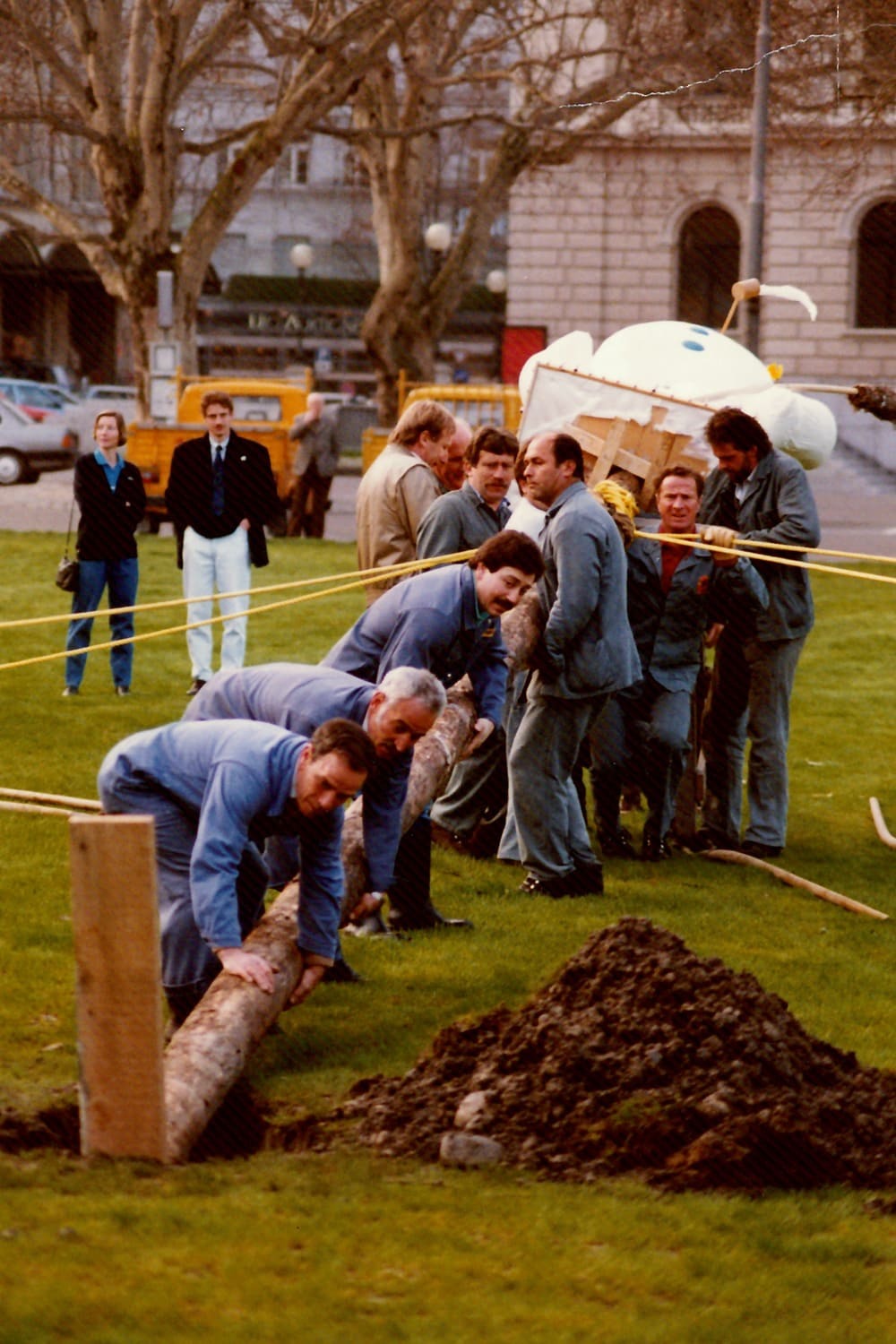
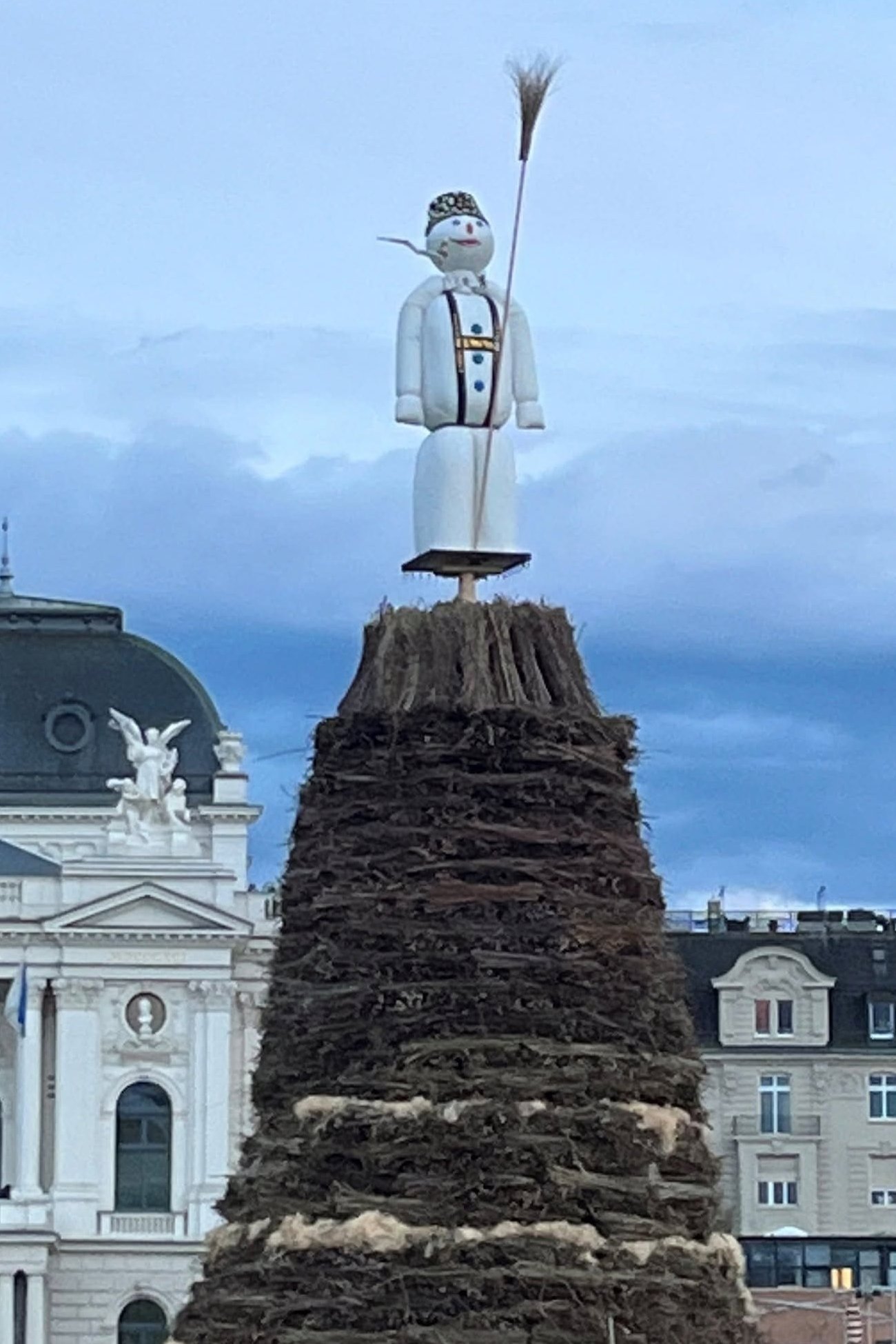
Decades ago, the Zurich-based construction company Heinr. Hatt-Haller took on this important task, which is now carried on by its successor, Implenia. For site manager Darko Galic, who has been overseeing the Sechseläuten for Implenia for six years now, this project is something very special: “While we’re usually involved in building structures that last a long time, here we’re working on a spectacle that lasts only a few hours. And yet it’s one of our longest-running construction projects: it comes around every year.”