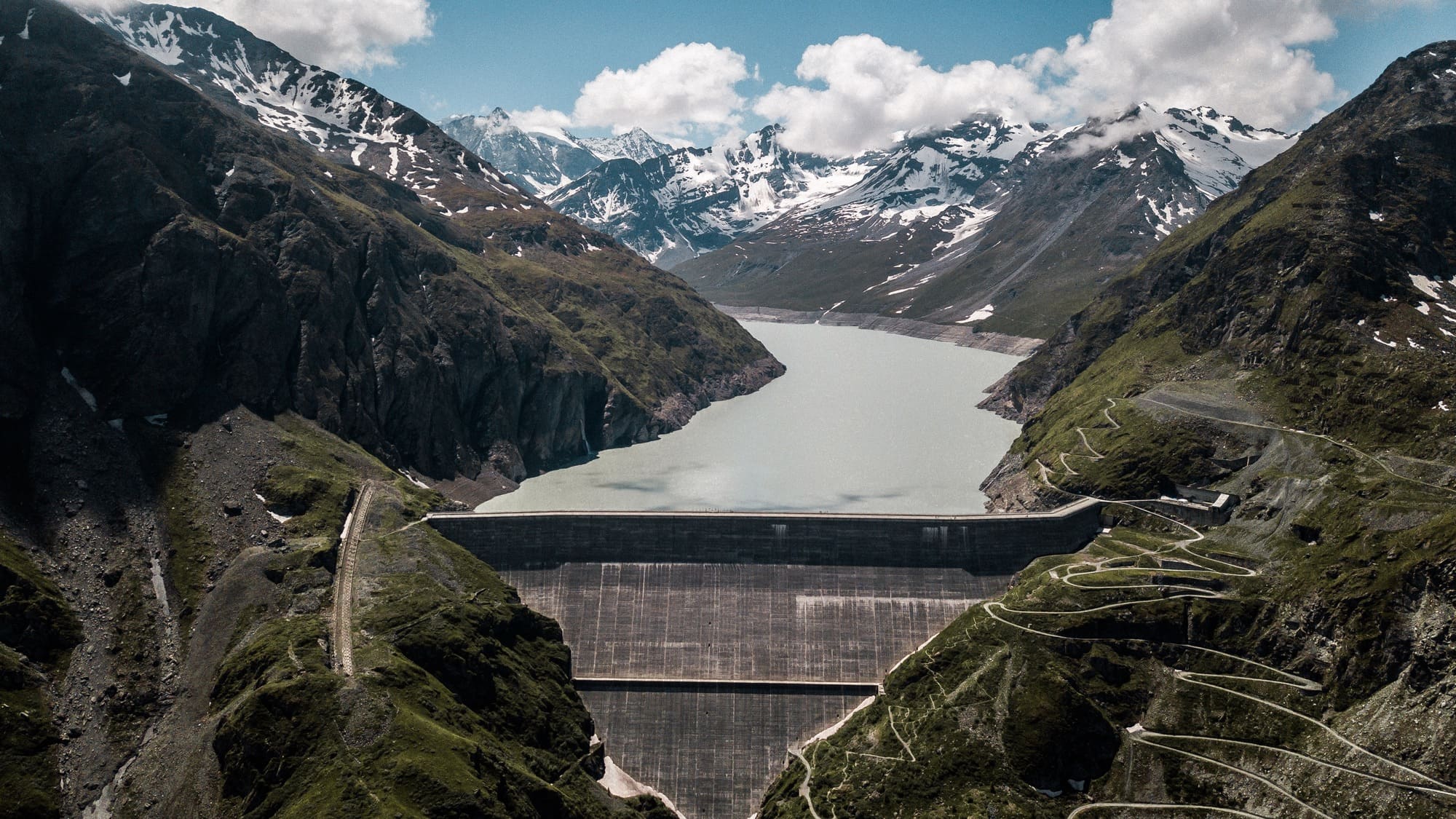


Nature plays the leading role in a country’s defense: rivers, mountains, and valleys—what vulnerabilities does a country present? And conversely, how can the topography be used for defense? Never has the Swiss Army debated this question more intensely than before and during World War II, when it was increasingly surrounded by the fascist Axis powers. Located in the heart of Europe, the small Alpine nation could not hope for outside support. Switzerland was on its own—and ready to defend itself to the bitter end. In 1939, the Swiss Federal Council therefore not only ordered general mobilization but also launched a massive investment program in national defense infrastructure. These projects were also built by Implenia and its predecessor companies, such as Zschokke, Hatt-Haller, and Stuag.

Sargans Fortress
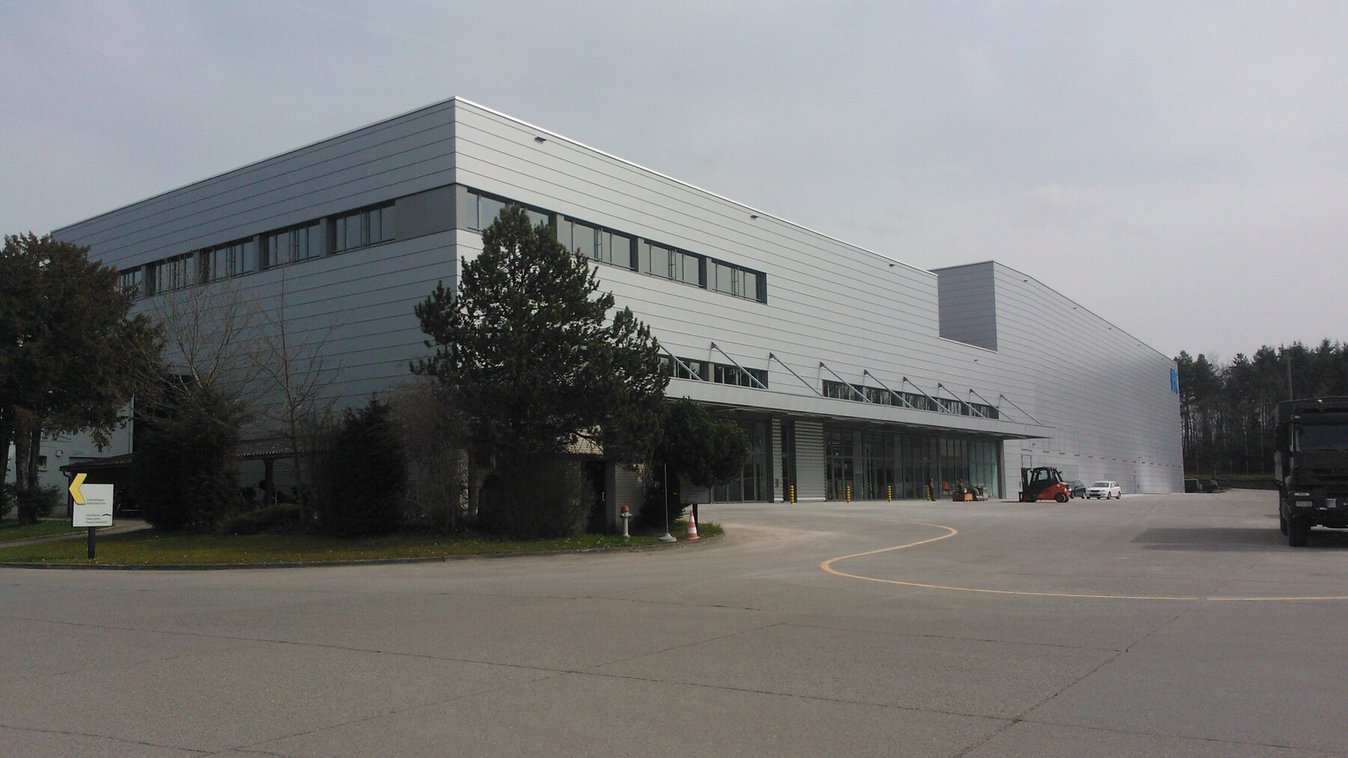
In eastern Switzerland, the Rhine Valley presents a natural vulnerability to enemies. When Implenia built the Swiss Army’s new Eastern Combat Training Center here between 2007 and 2009 on behalf of the DDPS, the historical roots of the project lay in World War II—and also with the Zurich-based construction firm Hatt-Haller. Let’s take a look back!
In 1939, the Swiss Army established its own construction office in Sargans, which employed up to 200 people at its peak and was tasked, among other things, with transforming the Magletsch hillside into a fortress. In the event of an emergency, it was intended to form a massive barrier and secure the corridor toward the east.


Construction Under Strictest Secrecy
Political pressure is intense. In early September, the German Wehrmacht invaded Poland, thereby triggering World War II. The military threat and the presence of foreign spies in the country—all of this is palpable in the call for bids. “Bids must be submitted to the Fortress Command on October 23, 1939, between 9:00 a.m. and 11:00 a.m., sealed and marked with the inscription ‘Bid for Register No. 5’ (…). Mailing is not permitted under any circumstances.” It is unthinkable that the specifications and detailed plans might fall into enemy hands. Hatt-Haller wins the bid.
The construction sites themselves were strictly guarded. In 1941, the Swiss Army increasingly recruited unemployed people to work as laborers and speed up the construction of the artillery fortifications. A man from St. Gallen recounts how he was sent in 1941 to the Sargans Fortress, which was still under construction. The first stop was the fortress command post in Oberschan. “There I received a medal; with it, we were allowed to pass the sentries at the main entrance and enter Mount Magletsch to work (…). All [unskilled laborers] were immediately placed under the authority of the fortress command, the construction company, and the cantonal employment offices, and were monitored by the military police; no one could run away.”[1]
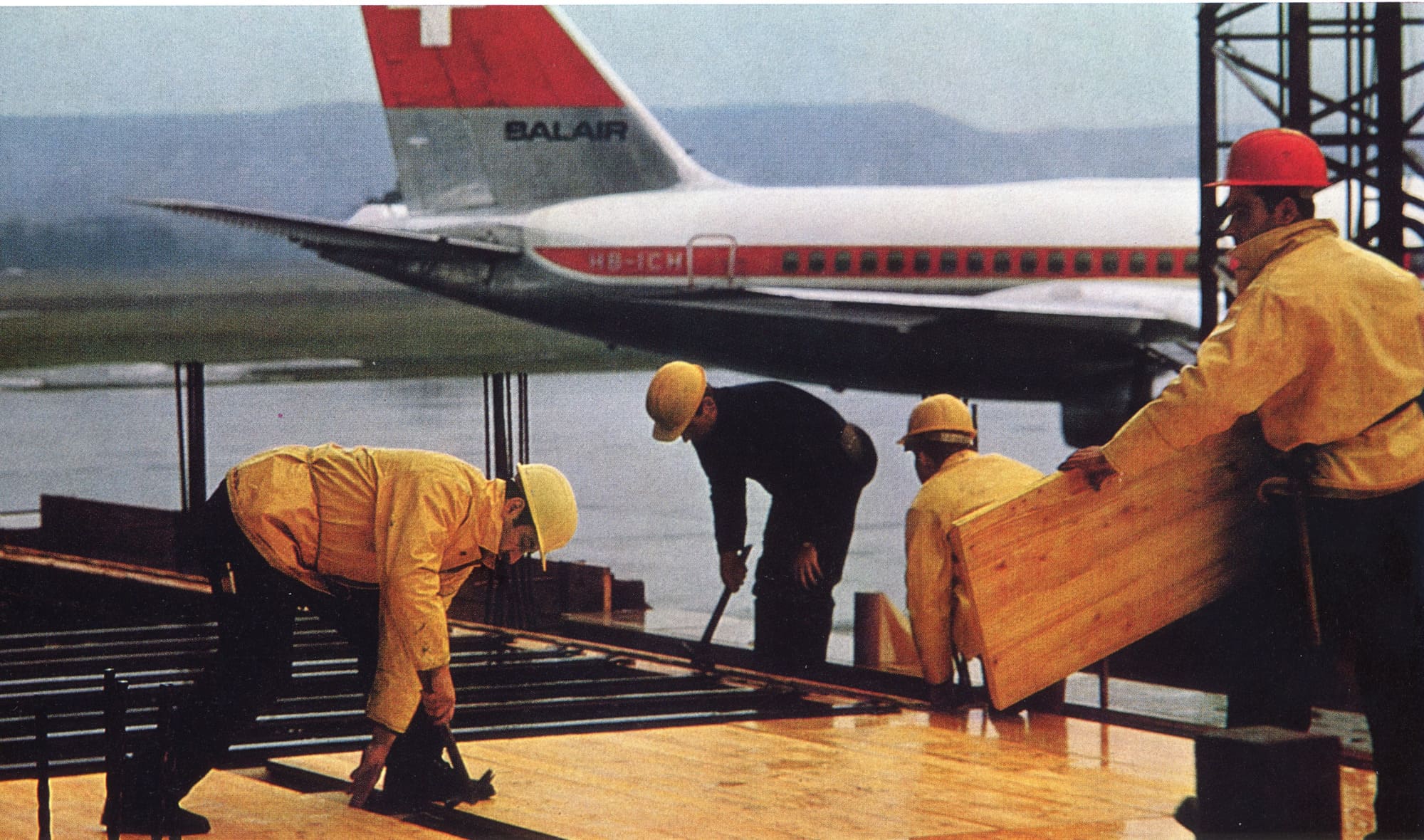
A call for bids for a paved runway at the Saanen military airfield in the Bernese Oberland—which Zschokke won at the same time—stated: “Only Swiss citizens with a strong Swiss spirit may be employed.”
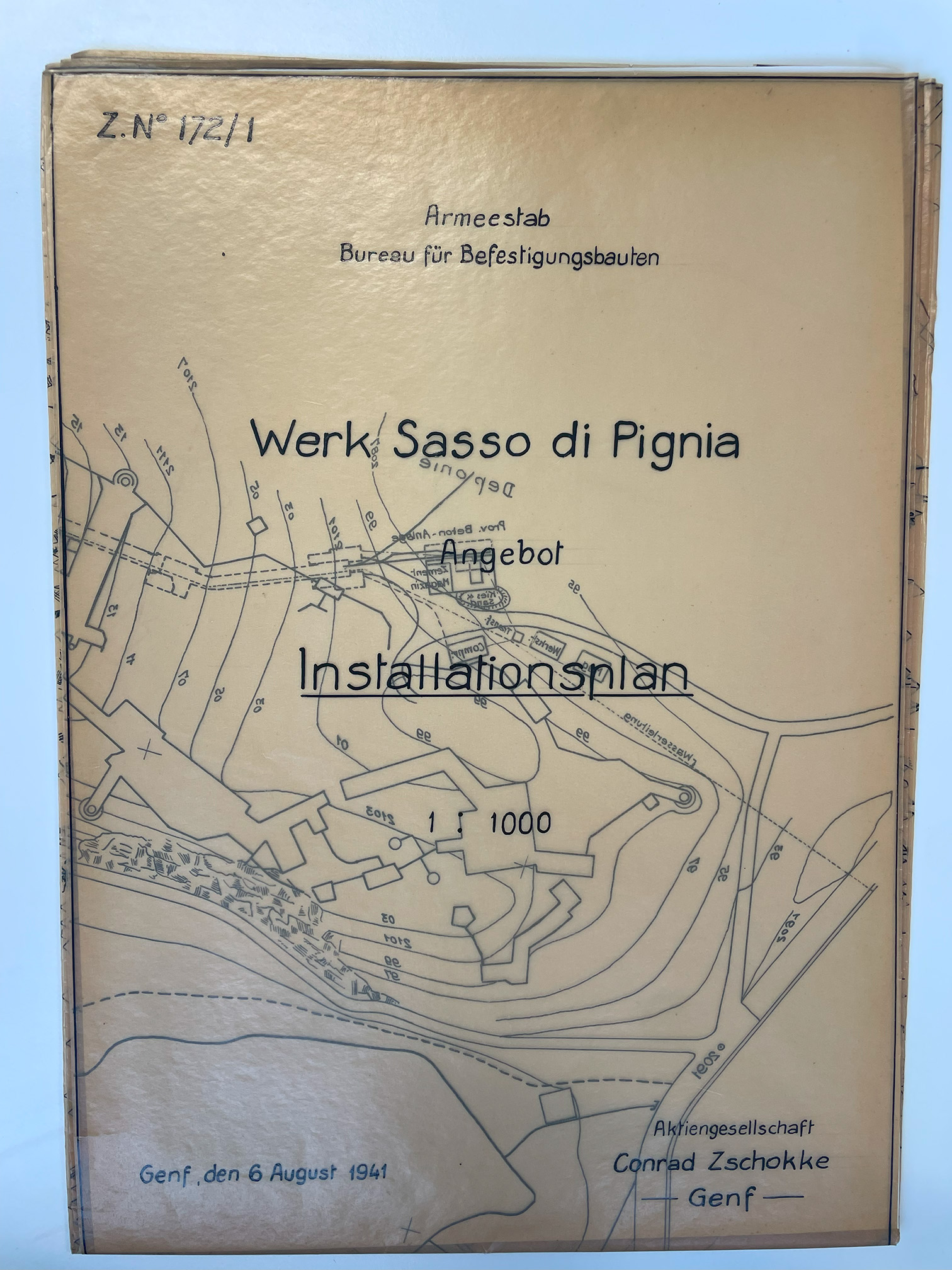
That is why the Bureau for Fortifications, which centrally organized national defense construction projects, stepped up the pace in 1941, putting the contractors in a bind: they were struggling with wartime shortages of building materials and labor.
Many skilled workers were on active duty, and foreign workers were unwelcome on the construction sites. No wonder Zschokke SA raised the following concern in its proposal for the Sasso da Pigna fortress: “Given the current labor market conditions, we believe that the construction timeline specified by the client for this project, to be built in the high mountains, is somewhat too tight.” Zschokke proposed a realistic construction period of 27 months—and lost the bid.

Once again, Hatt-Haller of Zurich, in a consortium with Wyss, Meyer & Co. of Grenchen, has been awarded the contract. The two companies are blasting and concreting the 8,000m² fortress into the Gotthard Massif. The fortress can accommodate 500 soldiers; the four bunker guns have a range of 28 km.

Hard Work: An Eyewitness Account
The eyewitness from St. Gallen, speaking from the Sargans Fortress, describes the working conditions on the construction sites. At first, he is busy with the construction of a machine-gun emplacement in front of the fortress: “The projecting exterior walls were constructed using Grade 500 concrete, approximately 3 meters thick, and reinforced with rebar spaced 15 cm apart vertically and horizontally. Set back from the exterior, a vertical armor plate was cast into the side walls. It was about 15 cm thick and had a peephole and a slot for the weapon to fire outward. The interior, which was very small compared to the massive structure, could accommodate two soldiers, the necessary ammunition, and a gun.” After that, he worked for a year “in the pitch-black, damp mountain.” The work was dangerous. “After morning blasting, men had to use iron rods to pry down rocks that had been blasted loose but hadn’t yet fallen. In the process, one such worker was killed by a falling slab of rock.” Nevertheless, the laborer found time in between to negotiate his wages: “When, after a few days, I was still monotonously shoveling, foreman Windler from the Hatt-Haller company came over. I remarked, ‘For such monotonous drudgery, 90 rappen an hour is really not much.’ He said he’d look into it, but that he’d also expect to see better performance. That was a huge success for me. On the next payday, I got 93 rappen. On top of that, we also received a daily relocation allowance of CHF 1.50 from the cantonal employment offices, since we were working here in the national interest.”
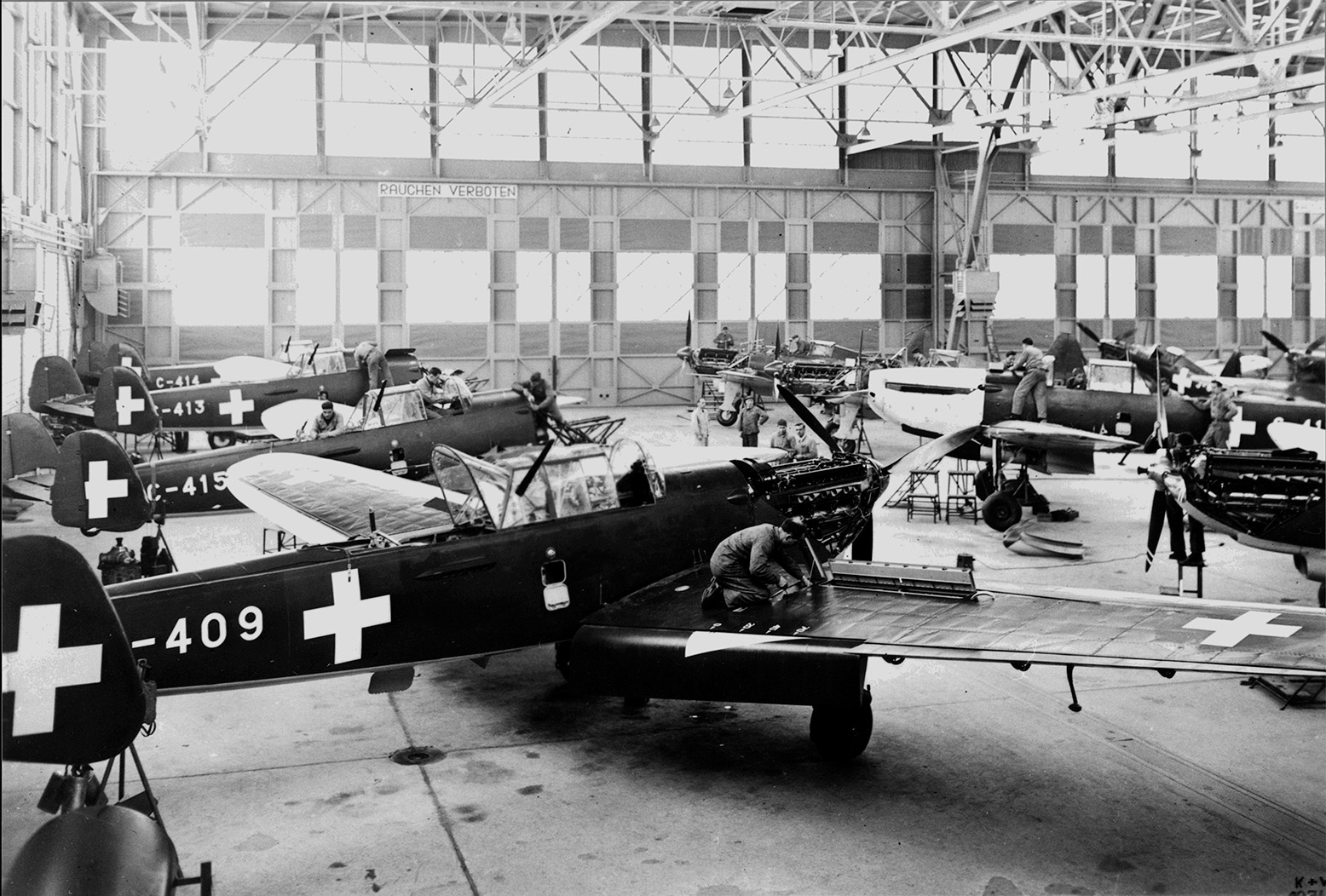
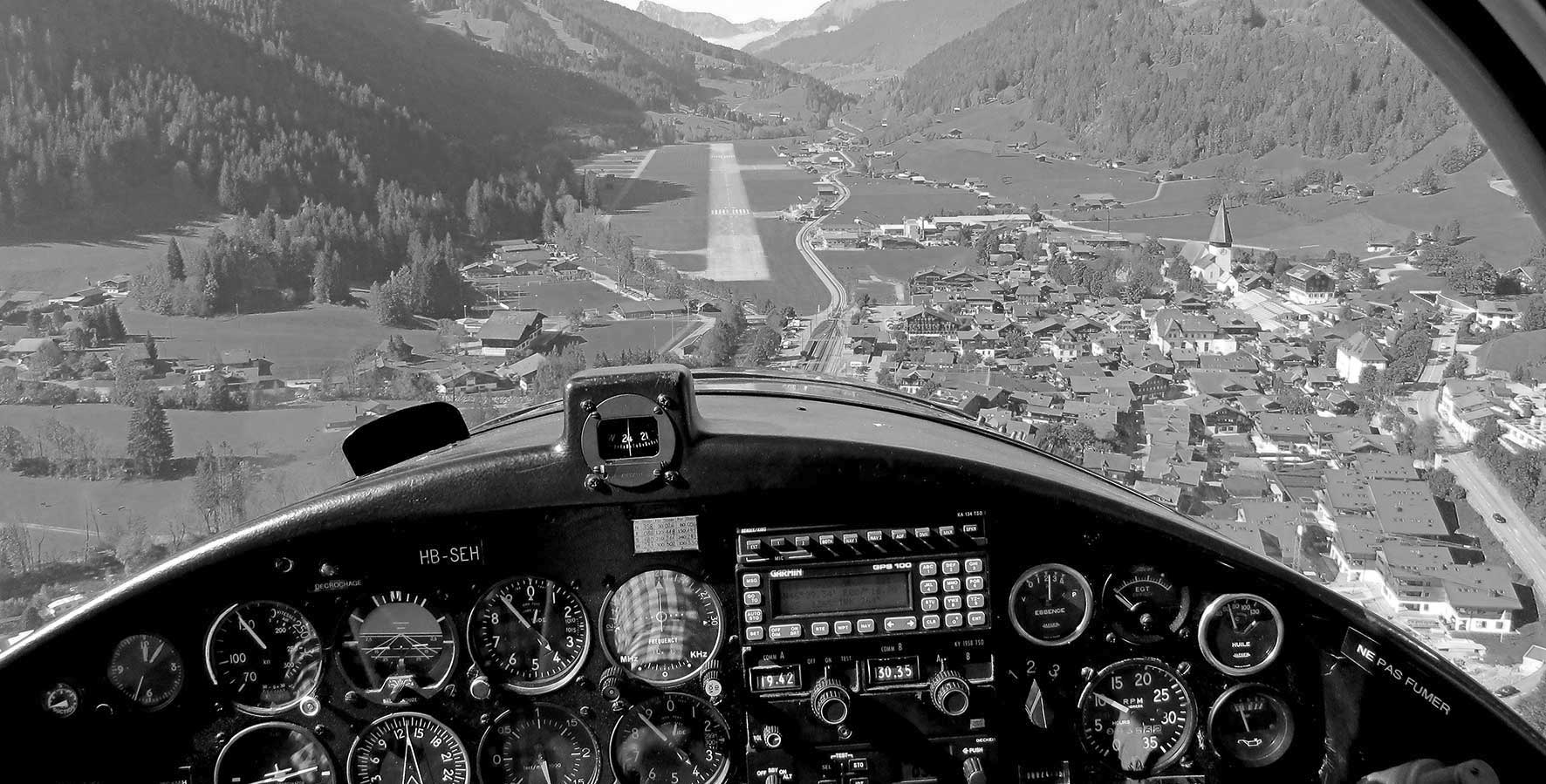
20 km northeast of Saanen, in the direction of Simmental, Zschokke had already begun construction of the Weissenbach underground storage facility in the summer of 1940; this facility is part of the Blausee-Mitholz ammunition depot. This is where the 21st Réduit Brigade stores its explosives for the defense of the Alpine fortresses. For leading the joint venture, Zschokke receives 1.75 percent of the construction cost.
Risk of Explosion—Unfortunately, Even After the War
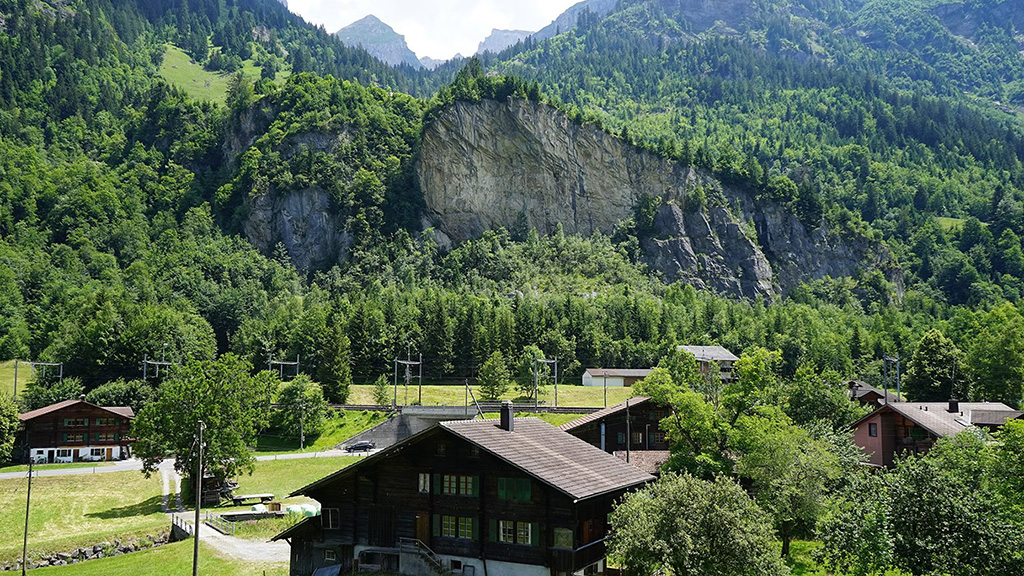
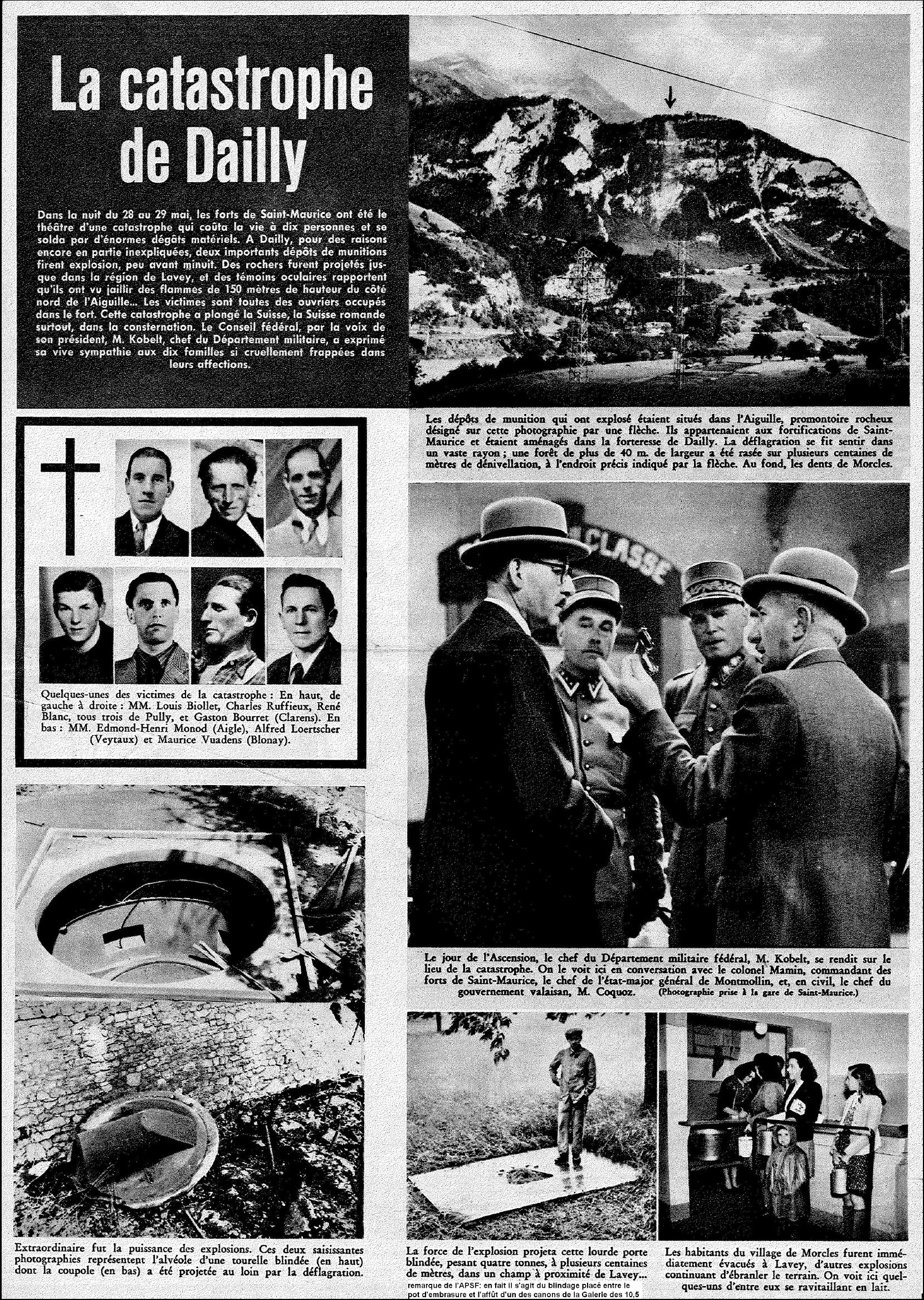
When World War II finally ended and peace prevailed, two catastrophic explosions shook Switzerland. In May 1946, the ammunition depot at the Dailly Fortress—which had formed the western defensive line during the Réduit—exploded. The DDPS entrusted the dangerous cleanup work to another predecessor company of Implenia, STUAG.
Implenia's National Security Projects
Throughout the second half of the 20th century, Zschokke, Hatt-Haller, and Stuag continued to build defensive structures for the Swiss Army. Since 2006, Implenia has carried on this tradition of construction. Many of these projects take them back to the era of World War II. Although numerous military bases have been decommissioned—the Magletsch and Sasso da Pigna facilities are now museums—others have retained their strategic importance.
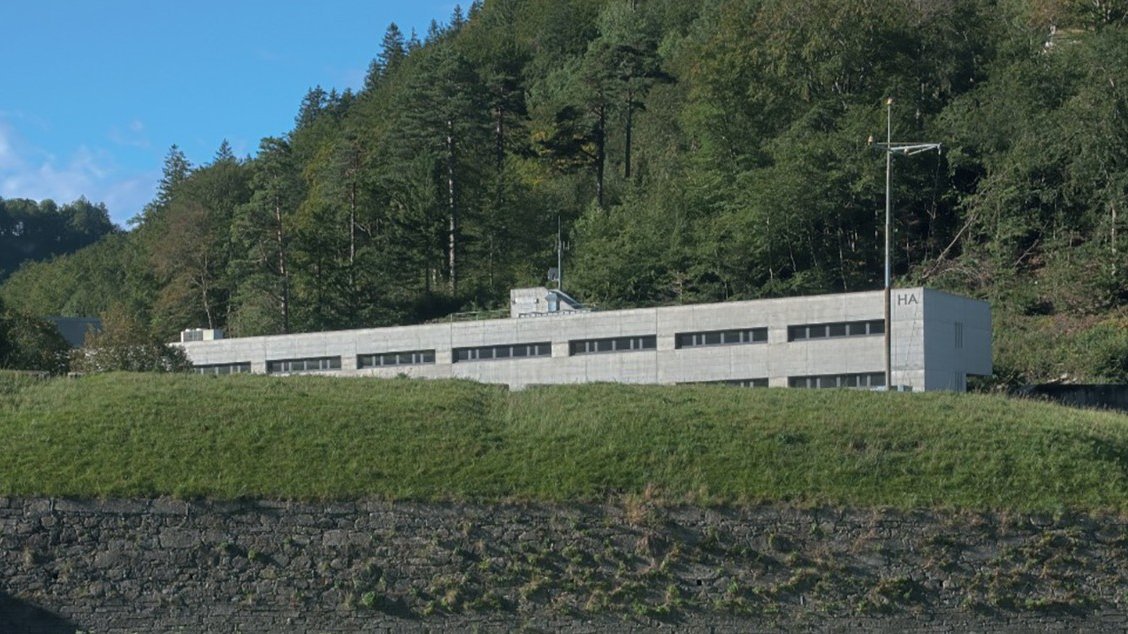
For example, the Rhine Valley remains an important base for the Swiss Army. Here, Implenia built the new Eastern Combat Training Center from 2007 to 2009 at a cost of CHF 33 million.
The same applies to Emmen Airport, which, like Saanen, opened in 1939. Here, Implenia is building a new hangar between 2018 and 2020—no longer for “real” airplanes, but for drones. As in the past, the Swiss Army’s strict certification requirements and explosion protection standards naturally apply here.

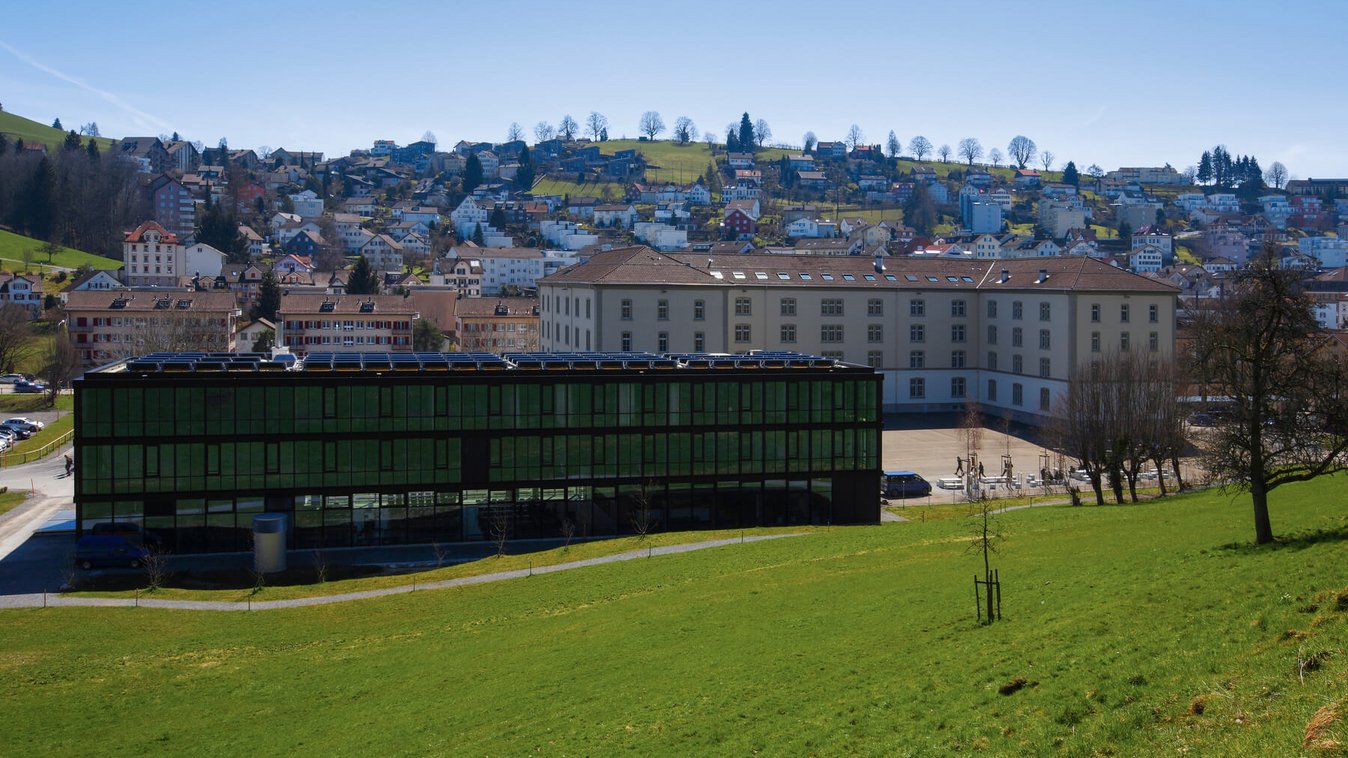
From 2012 to 2014, Implenia, as the general contractor, was responsible for the new construction and renovation of the Herisau AR barracks complex.
Other sites are being repurposed. In Hinwil, for example, Implenia is building a regional logistics center for the Swiss Army between 2012 and 2016 on the site of a former army motor vehicle depot dating from the 1950s.