
"The greatest potential for savings lies in the renovation period"
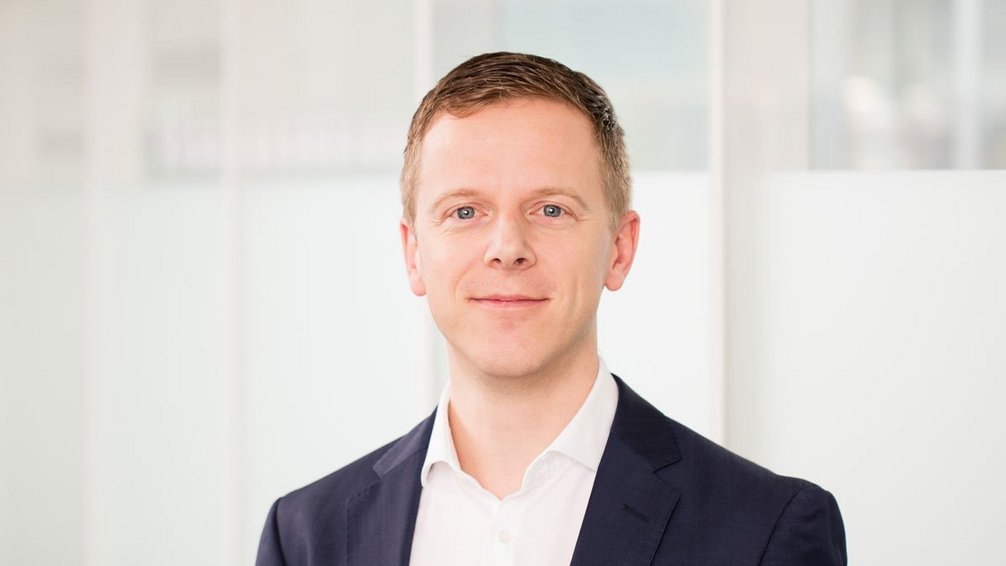
Mr. Kaufmann, in your opinion, what are the main challenges for building owners when it comes to infill development in urban areas?
One critical issue is certainly the existing building stock. For example, with buildings from the 1970s—which were erected quickly at the time—developers often face structural problems. Another factor, of course, is cost-effectiveness.
To what extent can these challenges be addressed with timber construction?
Timber construction is often the ideal solution for adding stories to existing buildings. Wood is five times lighter than concrete and even 15 times lighter than steel. As a result, this building material places comparatively little stress on a building’s load-bearing structure. The extensive modernization of an apartment building on Affolternstrasse in Oerlikon illustrates what this means. Thanks to the addition of a new story using timber construction, no structural measures were necessary. These are otherwise a significant cost factor in infill projects, often jeopardizing profitability.
Are there other economic advantages to timber construction?
When it comes to construction costs, the differences between timber and conventional construction aren’t actually that significant when you look at the bottom line. However, wood offers significant savings potential in terms of ownership costs. Due to the high degree of prefabrication, the value chain is shifted much further upstream: While more time is invested in planning, the construction phase is significantly shortened. As a result, a
addition using wood—such as in the project in Oerlikon—can often be carried out without requiring the property to be vacated. Disruptions such as noise and dust for the remaining tenants are kept to a minimum, which reduces the risk of rent reductions. But even when modernizing unoccupied buildings, timber construction helps minimize lost rental income thanks to shorter renovation times.
How do you proceed when advising building owners on their infill development projects?
Generally, we consider all factors from a 360-degree perspective and with a strong economic focus. In doing so, we not only scrutinize the costs of construction and operation but also take into account all of a building’s revenue streams over its entire life cycle. After all, adding additional stories doesn’t always make sense. For example, construction costs are roughly the same throughout Switzerland, while the range of rental rates varies enormously from region to region. So whether the construction project is carried out in Zurich or in La Chaux-de-Fonds makes a huge difference. That is why our goal is to examine properties in depth with the developers—and, above all, with an open mind.
How do we do that?
Here, our internally developed Digital Investment Model (DIM) helps us by enabling us to assess a planned densification very quickly and based on facts. With this tool, we can analyze feasibility and alternatives in detail. It provides us with concrete figures—such as costs, returns, or the amount of space generated—at an early stage of the project to help us decide between building a replacement structure or adding additional stories.
