



1927 Villa Hatt
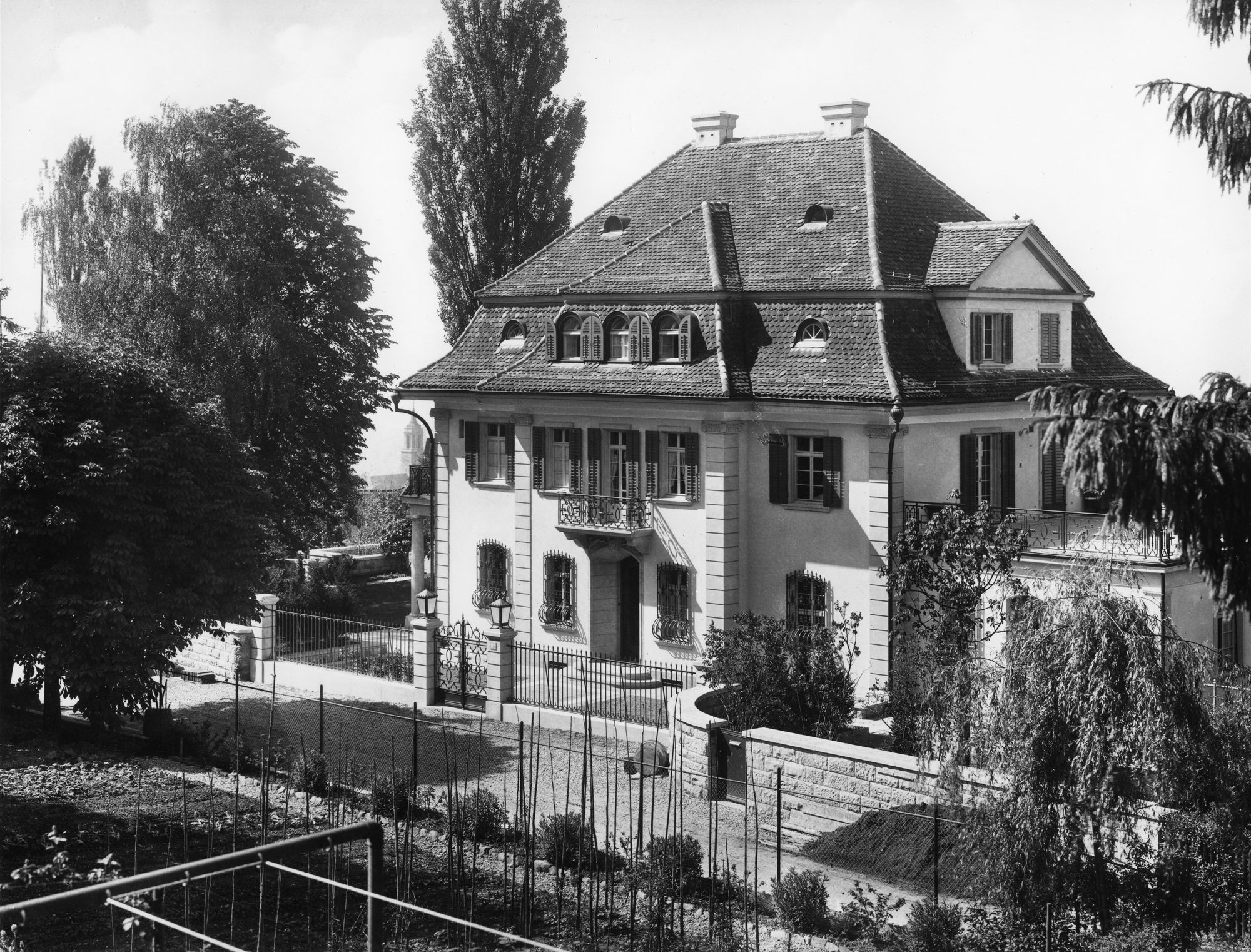
The start of this listicle is not a luxury hotel, but one of the most beautiful villas in Zurich: Villa Hatt on the sun-drenched slopes of the Zürichberg. Heinrich Hatt-Haller, one of the founding fathers of Implenia, richly deserved it. In the early 20th century, the farmer's son from a humble background worked his way up from simple bricklayer to one of the largest building contractors in Switzerland. In 1929, HHH has 2,000 employees on its payroll. By then, the self-made multimillionaire is already living in his villa on Freudenbergstrasse, built in 1927, with a magnificent view over Zurich.
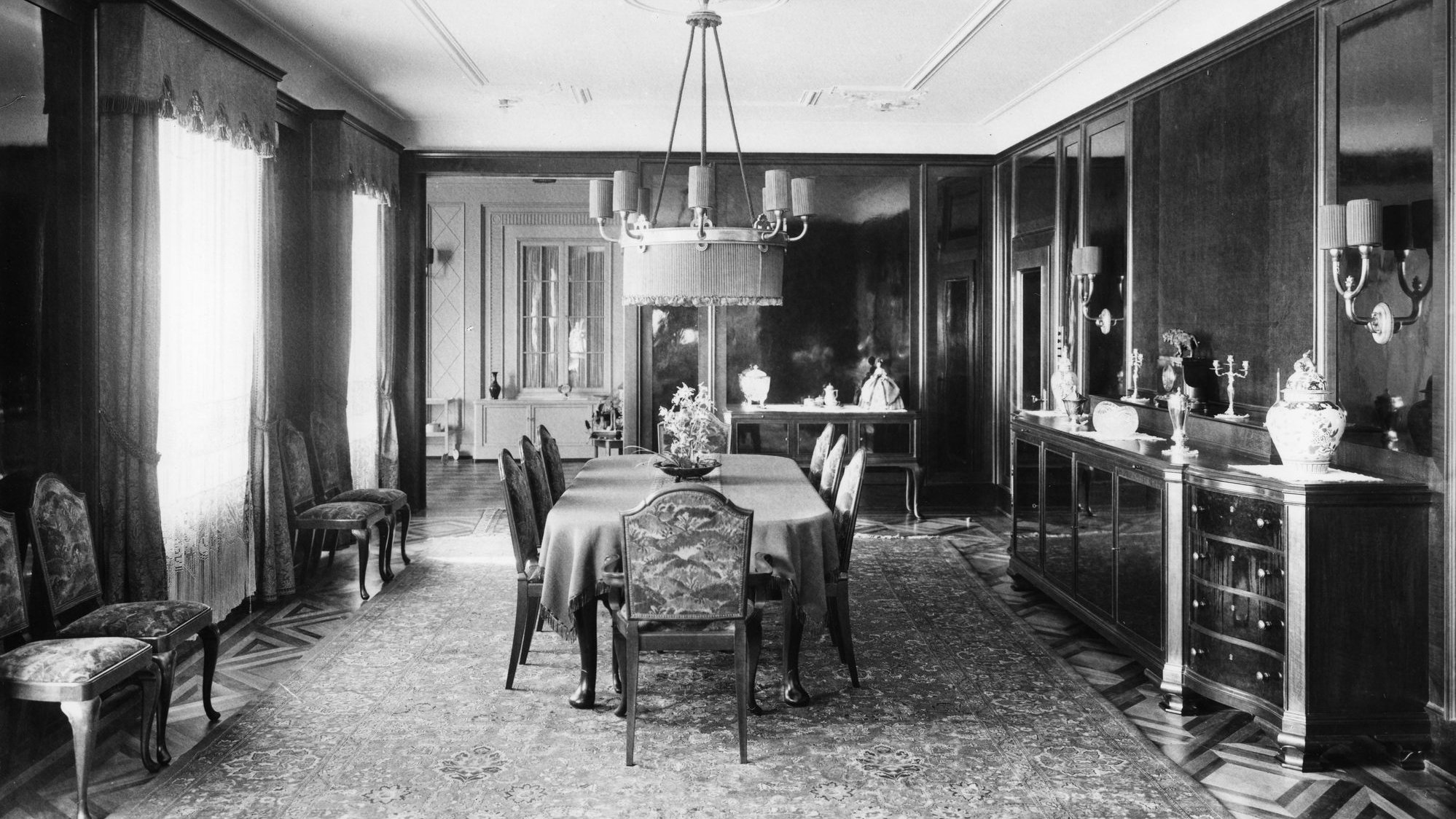
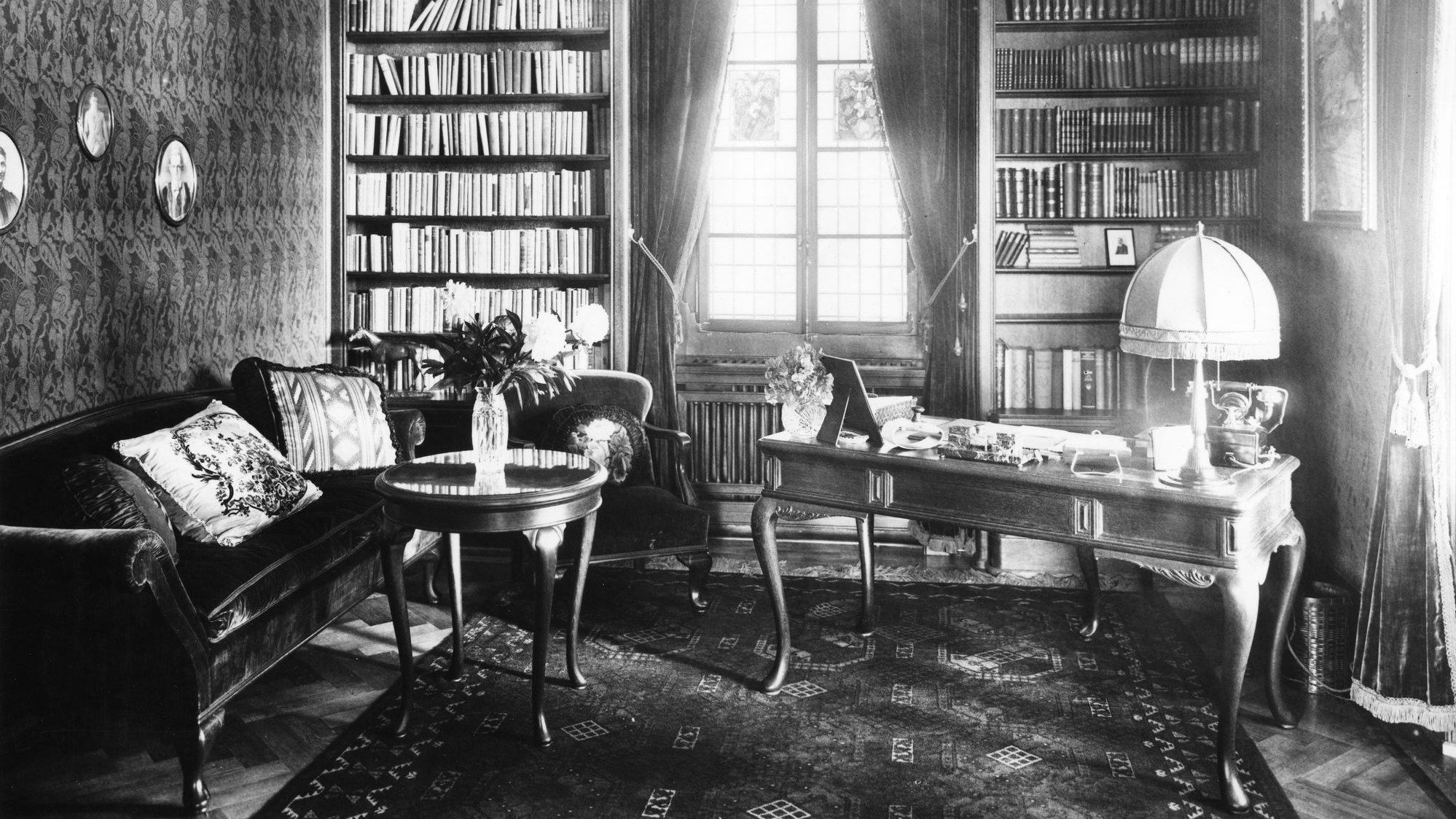
Heinrich Hatt-Haller dies in 1940, and in 1982 Geneva-based Zschokke SA takes over the construction company he founded. Villa Hatt, however, remains in family ownership until 2003, when it passes to ETH Zurich through a bequest from his daughter-in-law Lou Hatt-Bucher. Following extensive renovation, ETH Zurich now uses the villa as a guesthouse for professors and visiting lecturers.
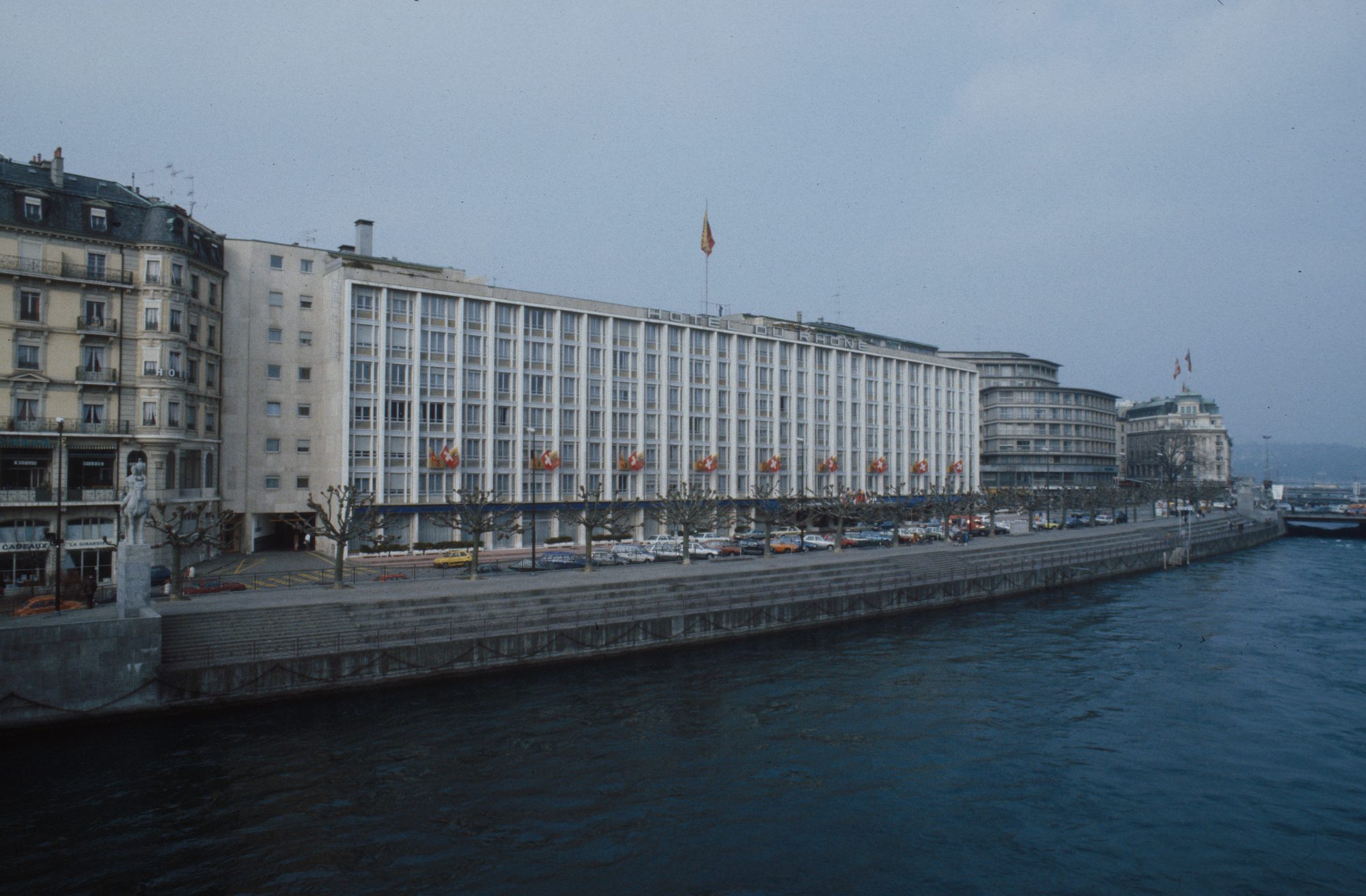
1950 Hotel du Rhône, Geneva
1961 Hotel Phoénicia, Beirut
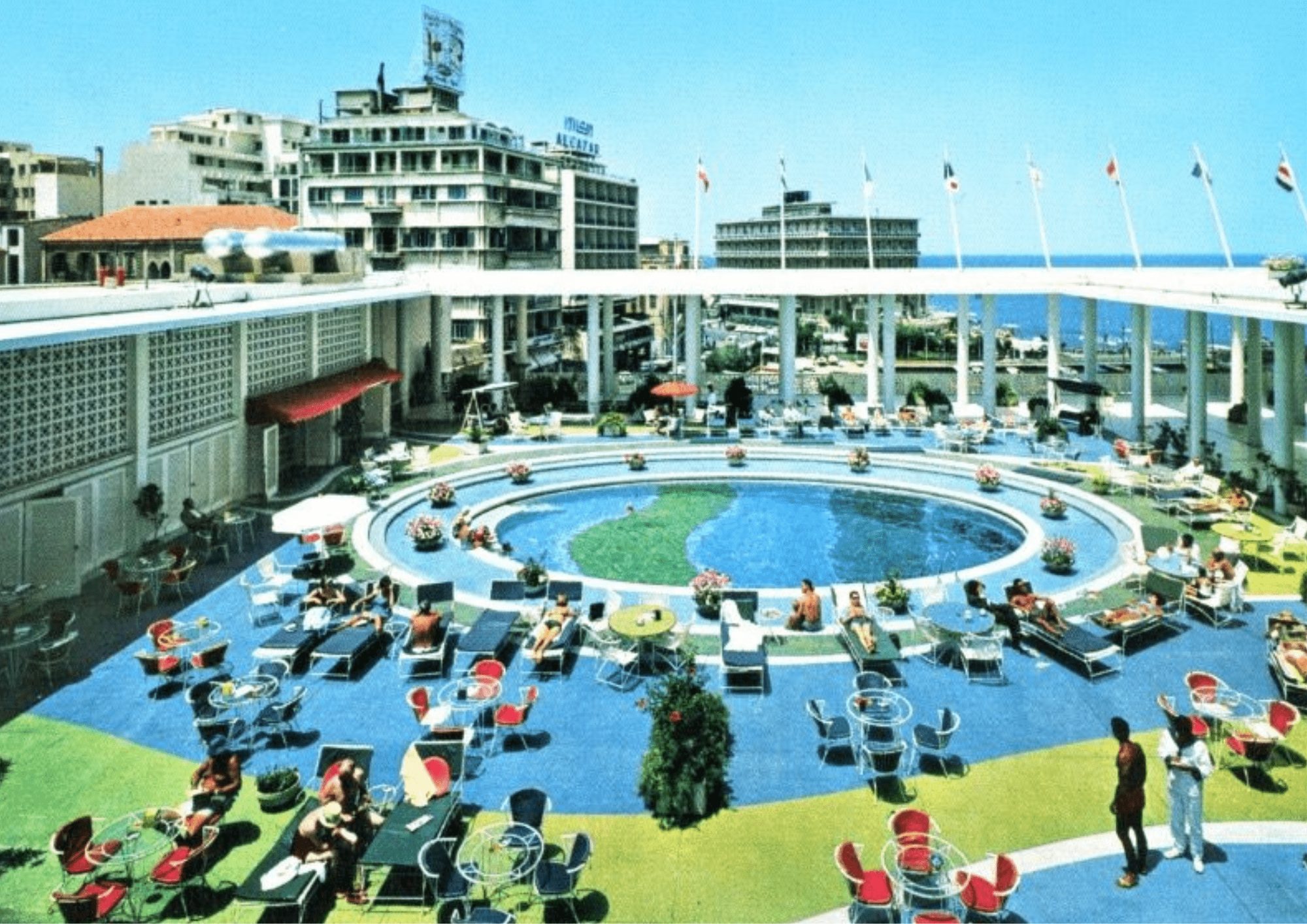
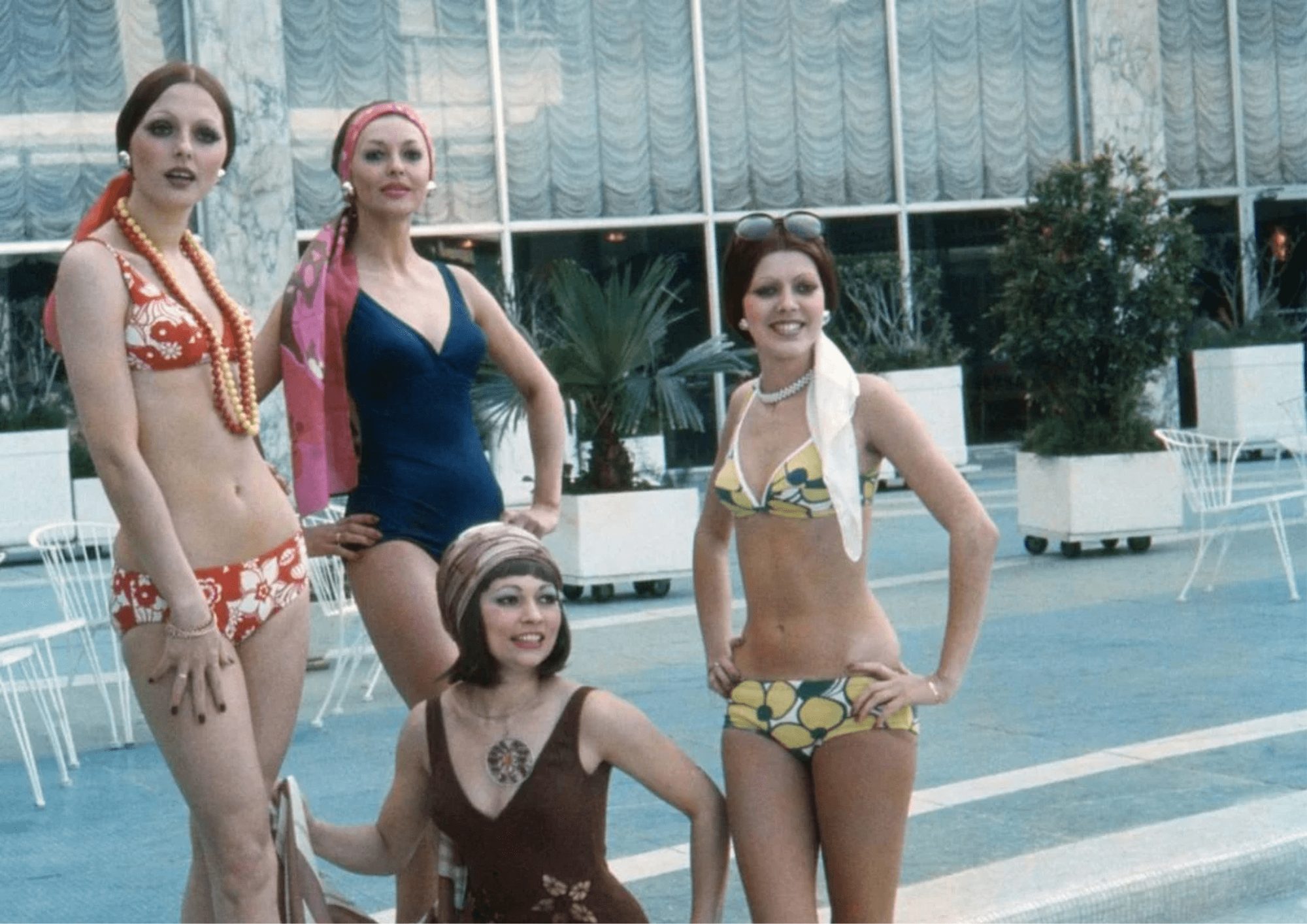
The stories this hotel has seen! When Beirut is called the “Paris of the East” and the “Pearl of the Mediterranean” in the 1950s and 1960s, the Phoénicia luxury hotel, which opened in 1961, is one of the architectural icons of this boom. At the time, Beirut is a melting pot of different religions and traditions, a bridge between East and West, between Islam and Christianity. Stars and starlets such as Brigitte Bardot, Omar Sharif and Fayrouz check in at the Phoénicia, the first InterContinental hotel in the Middle East, during Beirut's golden age. The hotel has 600 rooms and suites, plus luxury boutiques, restaurants and a pool with a bar where women dress very liberally by Arab standards.
Zschokke SA of Geneva is also involved in building the hotel – above all its Bureau d’Études, Zschokke's research and development department. It carries out the structural calculations and material testing for the concrete pillars of the 22-storey hotel, which is built to designs by the famous American architect Edward Durell Stone.
When a brutal civil war breaks out in Lebanon in 1975, the Phoénicia is caught right between the front lines and is misused as a hideout for snipers in the so-called “Battle of the Hotels”. After the end of the war, the hotel is rebuilt at a cost of USD 100 million. In 2005, the Phoénicia is badly damaged again when a motorcade carrying former Prime Minister Rafik al-Hariri is ambushed right outside its doors on Beirut's Corniche. 22 people die in the bomb attack, including Rafik al-Hariri.
1967 Globus department store, Zurich
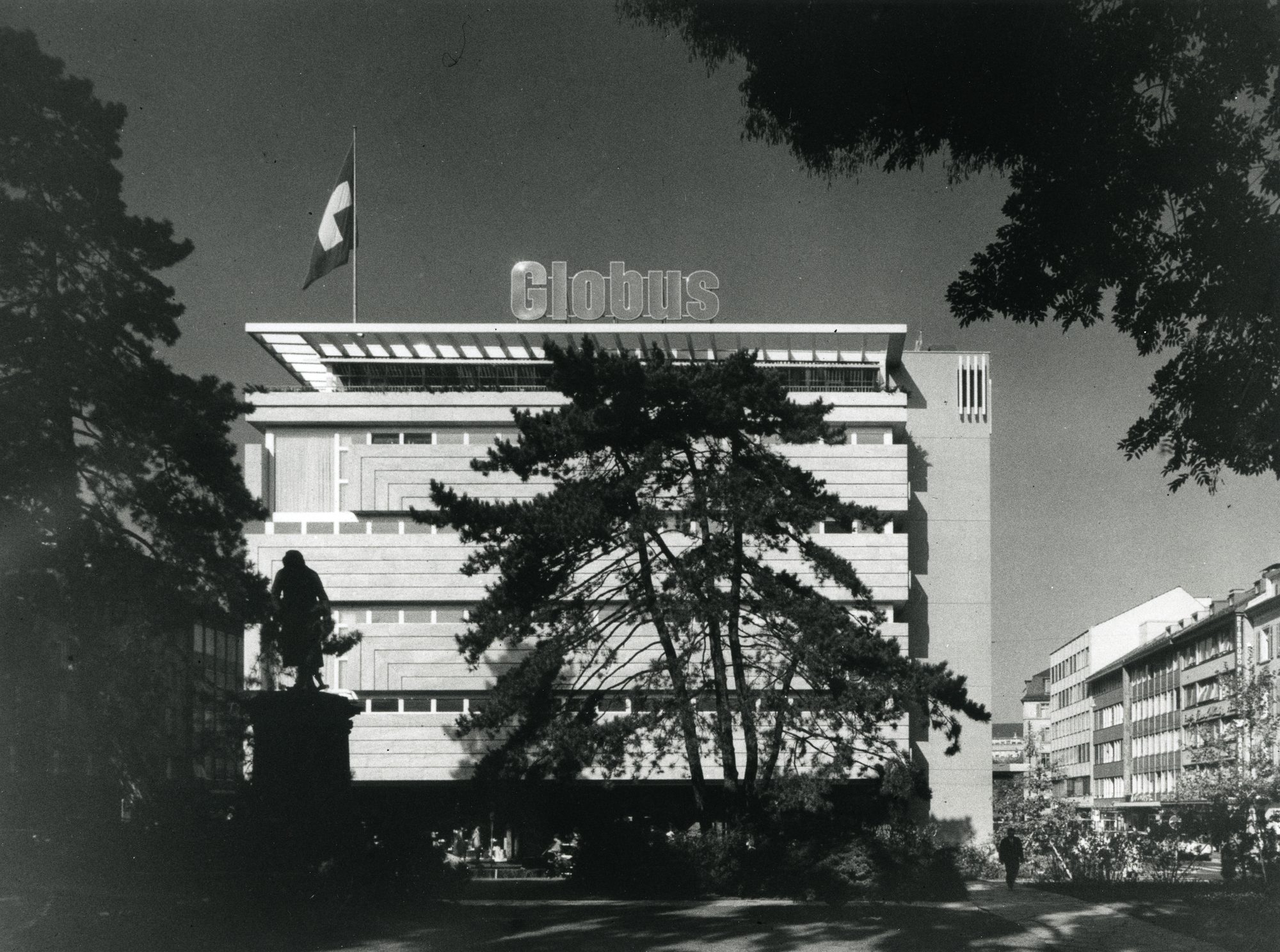
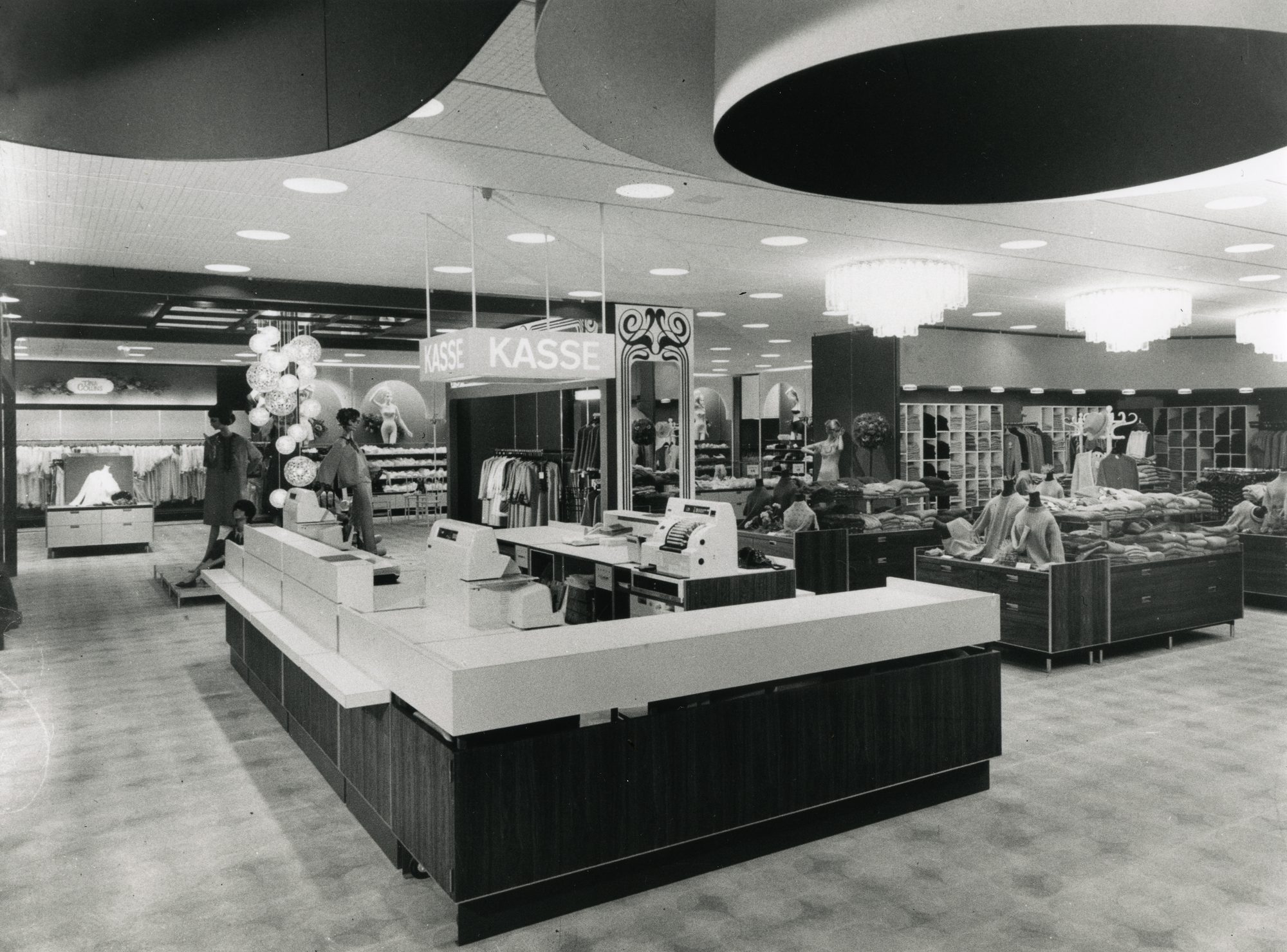
The economic miracle takes place not only in Germany but across the entire Western world – and so in Switzerland too. Incomes here have more than tripled since 1948. A visible sign of growing prosperity is a new luxury department store on Zurich's most expensive shopping street: Globus on Bahnhofstrasse. The concrete building is constructed by the traditional Zurich firm Heinr. Hatt-Haller HHH. What is revolutionary about Globus is the staging of the goods, which are presented in different themed areas using sophisticated lighting technology – from jewellery to lingerie, from perfume to caviar. Globus is meant to be more than a department store: a world of experiences.
With the digital age, consumer shopping habits also change in the 2000s. While Globus on Bahnhofstrasse has been able to hold its own to this day, other department stores adopt a contemporary mixed-use concept. In 2025, for example, Implenia takes on the core renovation and conversion of the heritage-listed Jelmoli department store into “Destination Jelmoli”, where at least one other traditional name, Manor, will find space as a tenant – albeit on a smaller area. Offices, restaurants and a fitness centre are being created from the 2nd floor upwards.
1972 Hotel International, Zurich
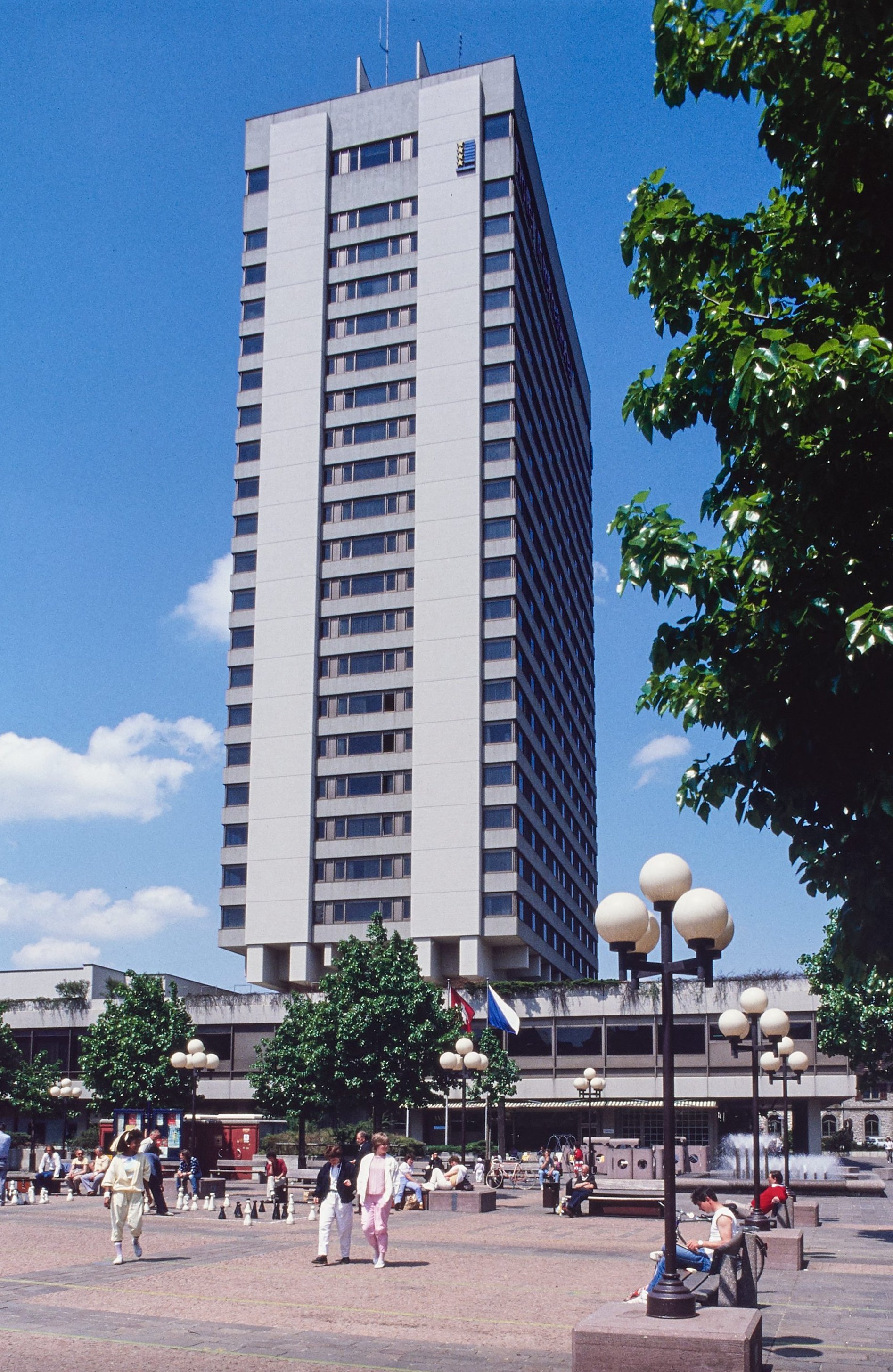
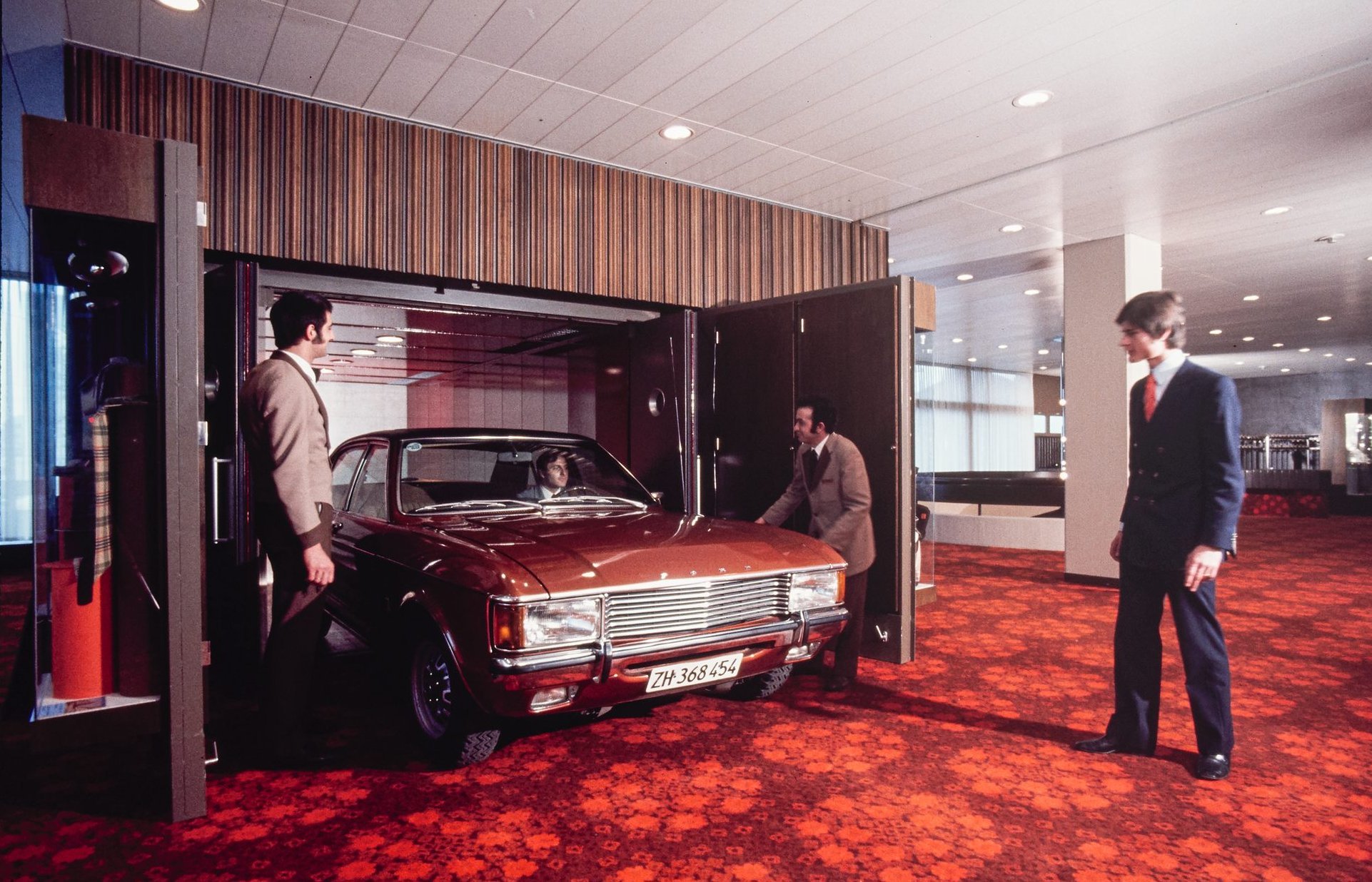
In 1969, the first human lands on the Moon; in 1972, the first jumbo jet lands in Zurich-Kloten. In the same year, a little closer to the city centre, in Zurich-Oerlikon, the tallest hotel in the city celebrates its opening. The Hotel International is a symbol of the Western world's faith in progress. Higher, faster, further is the motto. The hotel even has a car lift! No less extravagant: a rooftop pool on the 26th floor, from which hotel guests enjoy an unobstructed view of Zurich – provided they do not suffer from a fear of heights. The general contractor is Karl Steiner AG of Oerlikon, but Heinr. Hatt-Haller HHH is also involved. After all, the high-rise is built using the all-concrete method – a speciality of HHH, which also built the Lochergut in Zurich using prefabricated concrete elements, for example. Today, the former Hotel International is called “Oerlikon One” and is heritage-listed.

1994 Palace Hotel, Lucerne
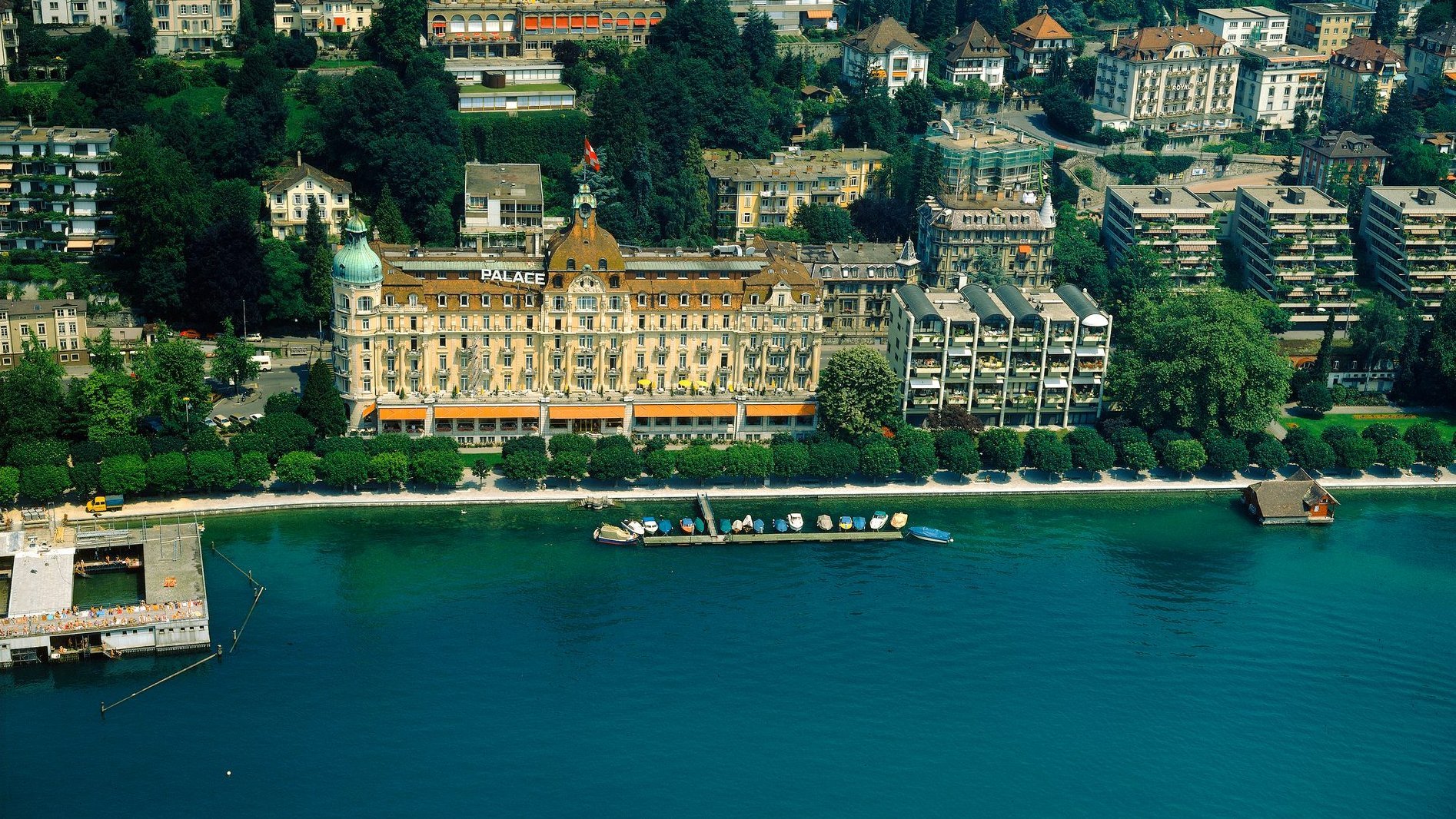
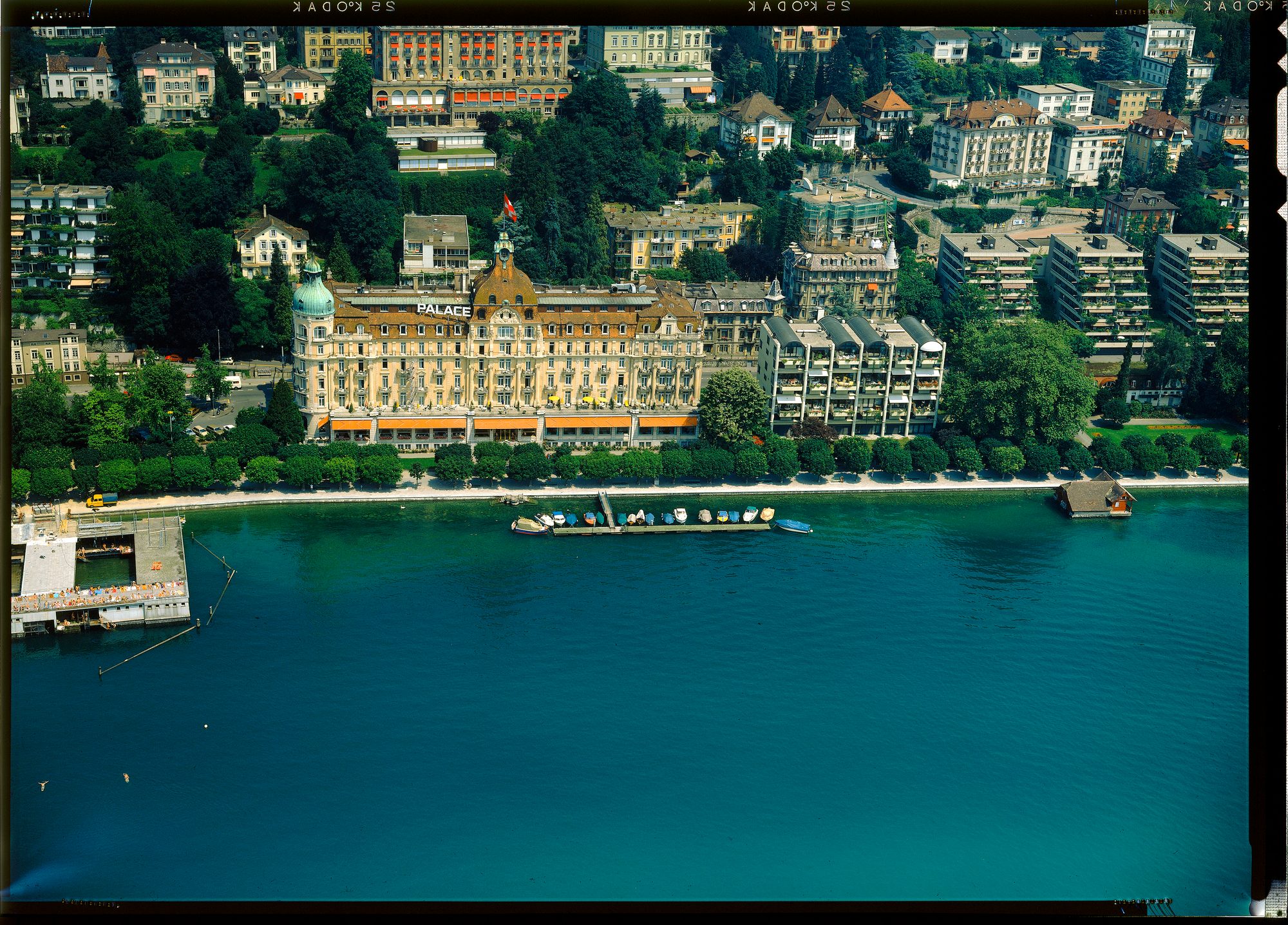
It would be an exaggeration to claim that the proud Palace Hotel in Lucerne stands on shaky ground. But the oak piles on which the stately building sits on the Lucerne lakefront cannot bear much additional load. And that is precisely the problem when Zschokke takes over project responsibility for the conversion of the five-star hotel at the end of 1993. The two upper floors are to make way for a new top structure with 48 rooms. A sense of proportion is therefore required when selecting building materials. In addition, the conversion has to be completed in just seven and a half months – notably while the hotel remains in operation. Zschokke finds the solution in a special scaffolding structure that keeps the lower four floors of the hotel clear. To save time, Zschokke relies on prefabrication: the new two-storey mansard roof is assembled from large-format elements, the lift shafts are made from prefabricated steel frames and the bathrooms from panel elements. On 1 July 1994, in time for the summer season, the construction work, costing around CHF 16 million, is completed.
2004 Baur au Lac, Zurich
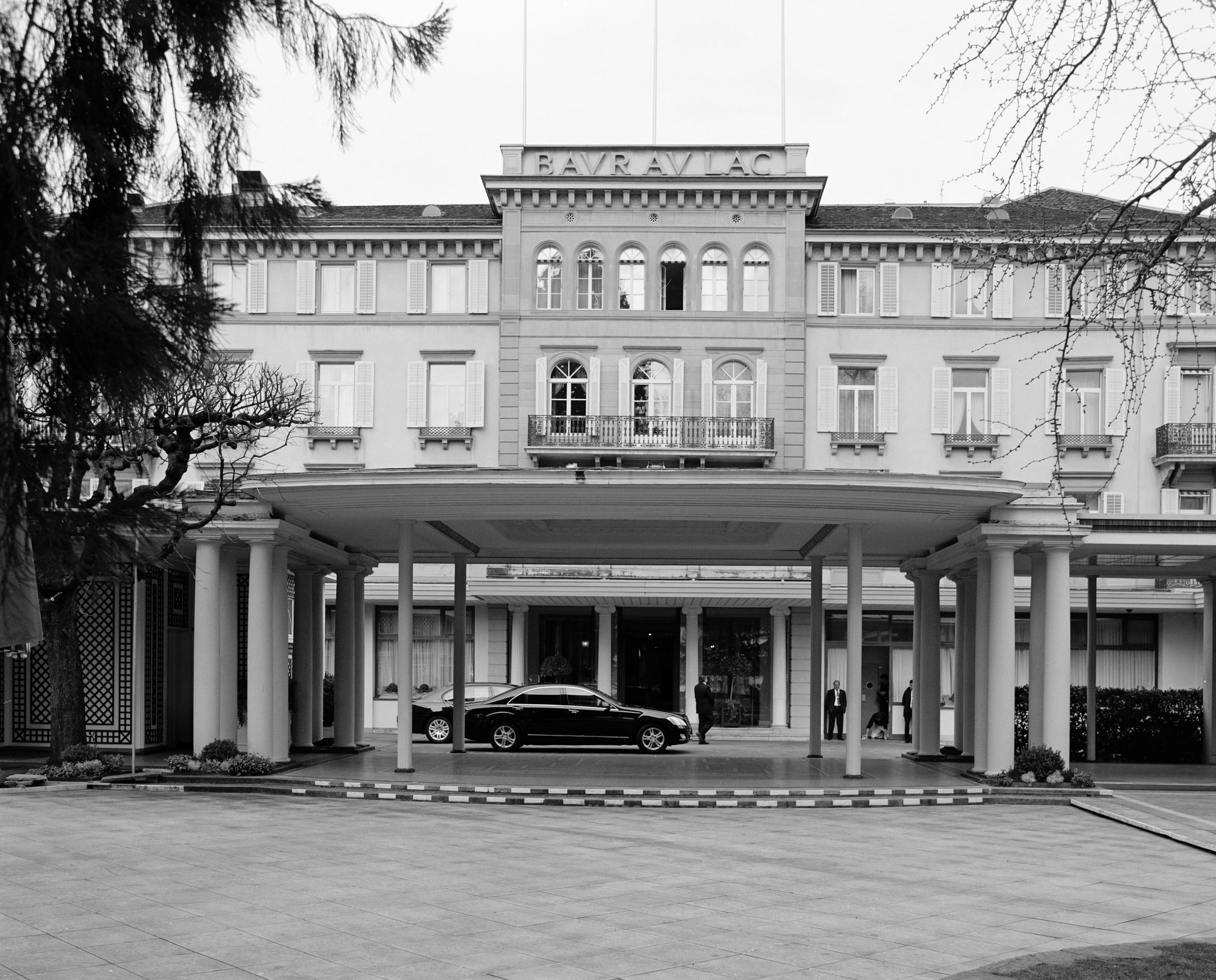
The Baur au Lac in Zurich is one of the oldest and most renowned luxury hotels in the world. Since it opened in 1844, it has been run by the same family and combines tradition with timeless elegance. Given its significance for the history of the city of Zurich, the building is, of course, a listed monument. It is all the more important that clients, planners and heritage conservation officers work together in a spirit of partnership from the outset. On the one hand, there are the interests of the client, who wants to enlarge the rooms on the Talstrasse side and add an extra guest lift to the wing. On the other hand, it turns out that, for reasons of heritage protection, adding a storey on top of the 4th floor is impossible, as a so-called “profile preservation” requirement applies on the Talstrasse side. As a result, the new top structure must use the same design language as the old one. To maximise room sizes nonetheless, the staff rooms on the 4th floor are “sacrificed” to the guest rooms.
2004 Baur au Lac, Zurich
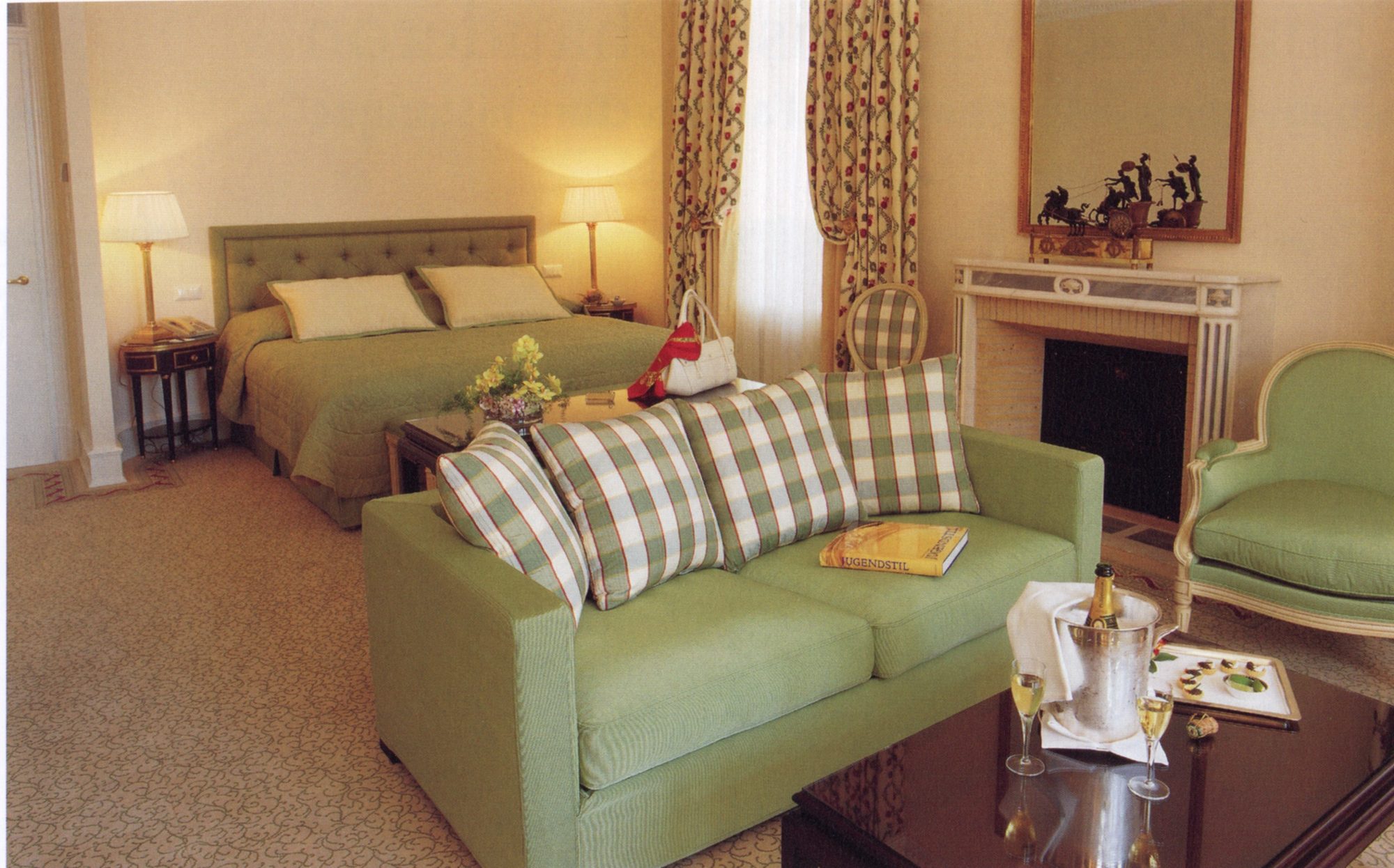
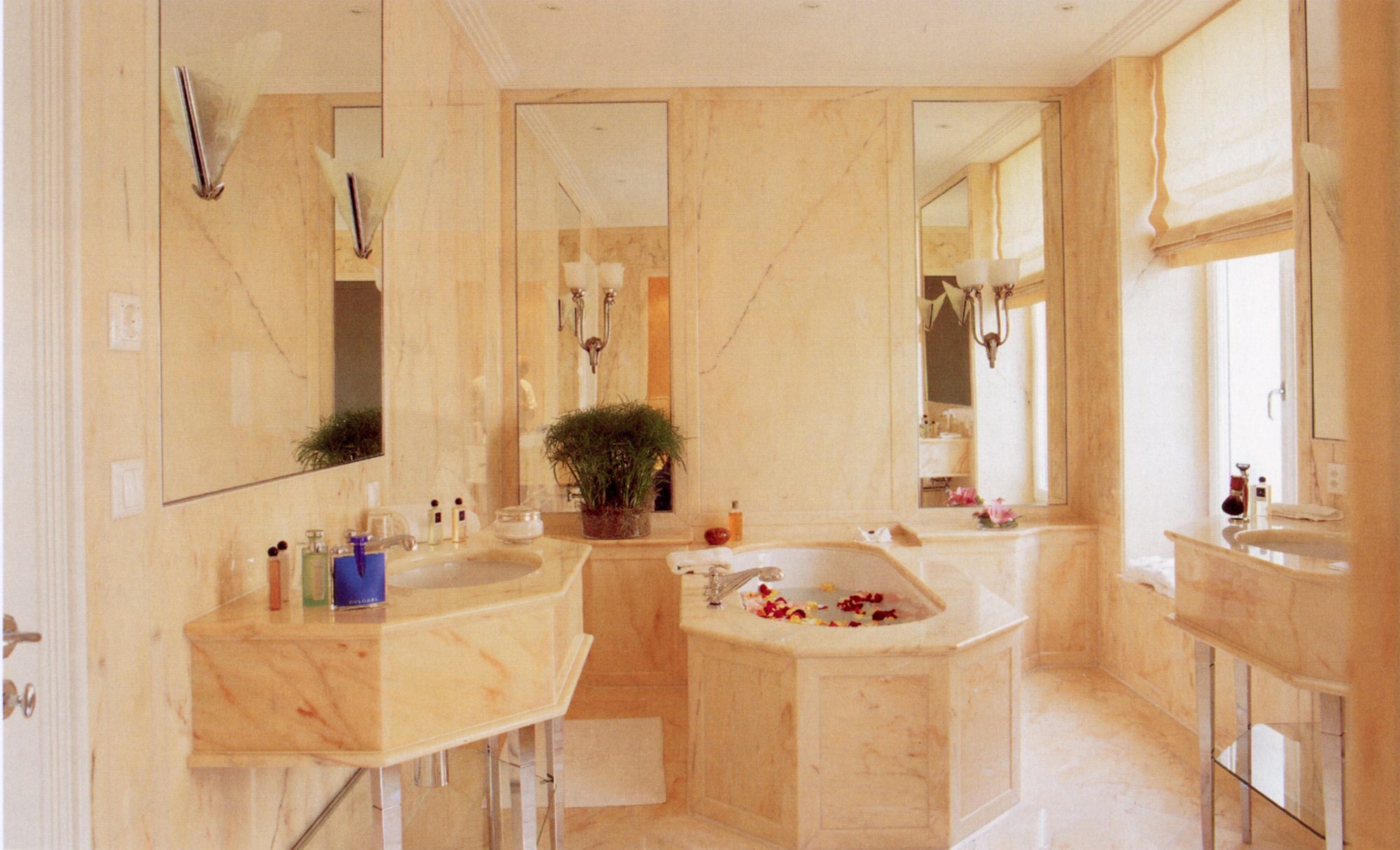
The building permit is issued quickly once the agreement is reached, so that Zschokke can start construction work in 2004. “Where there is a common will, there is a common way,” the client's representative says in retrospect.1
2009 Giardino, Ascona
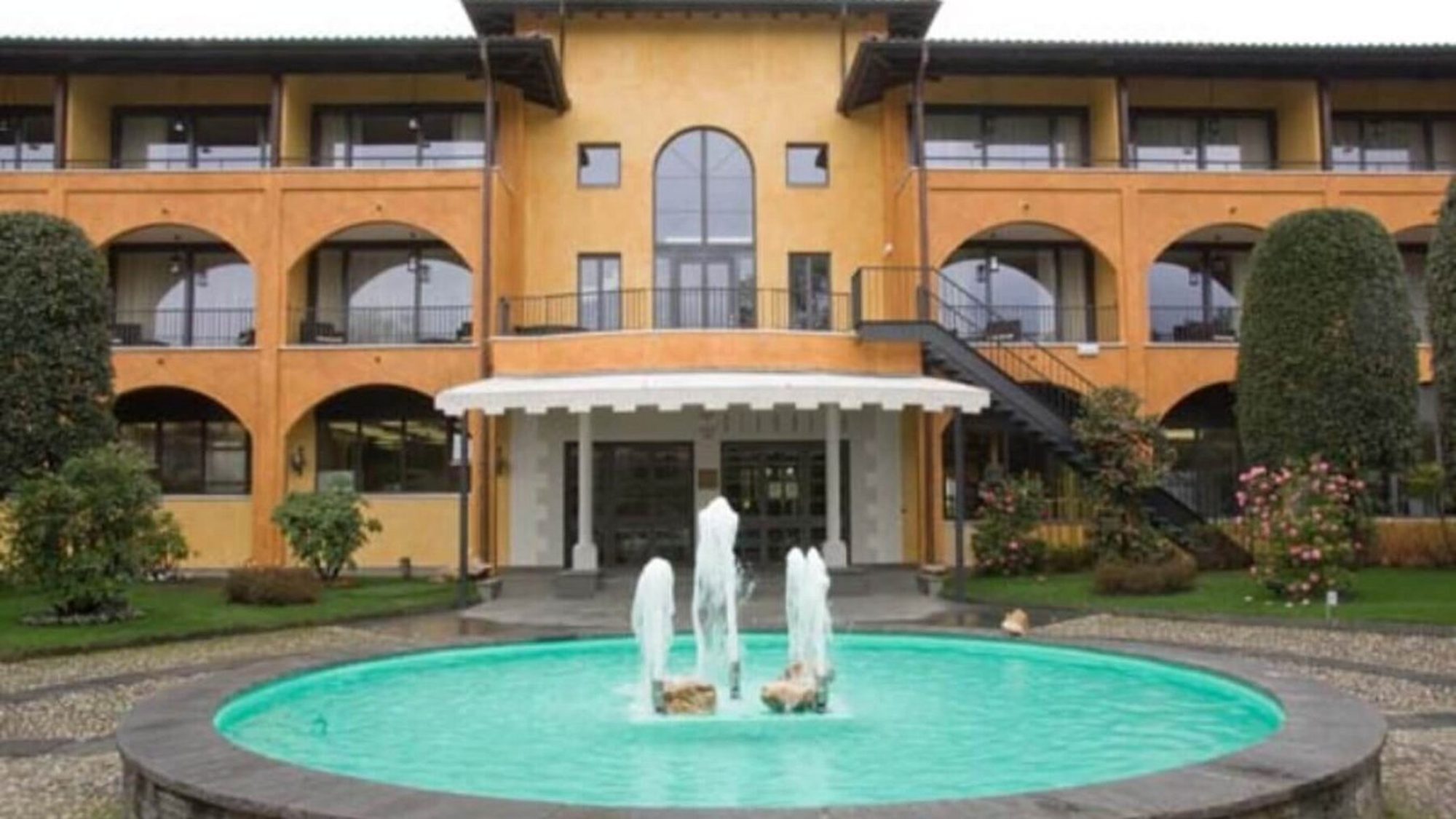
In November 2008, Implenia takes over, as general contractor, the modernisation of the traditional five-star hotel Giardino in Ascona, costing just under CHF 12 million. Within only 16 weeks, the rooms, suites, building services and swimming pool have to be renewed and given a design upgrade. Casa Rosa also receives a comprehensive upgrade, with three double rooms and twelve suites. At the same time, the building services are brought up to the latest standard.
As is often the case with hotel conversions, planning is more than half the battle here too. Precise coordination of the specialist planners and subcontractors is a prerequisite for ensuring that, despite the short construction period, the quality of execution, functionality and design are fully convincing in the end.
2011 Suvretta House, St. Moritz
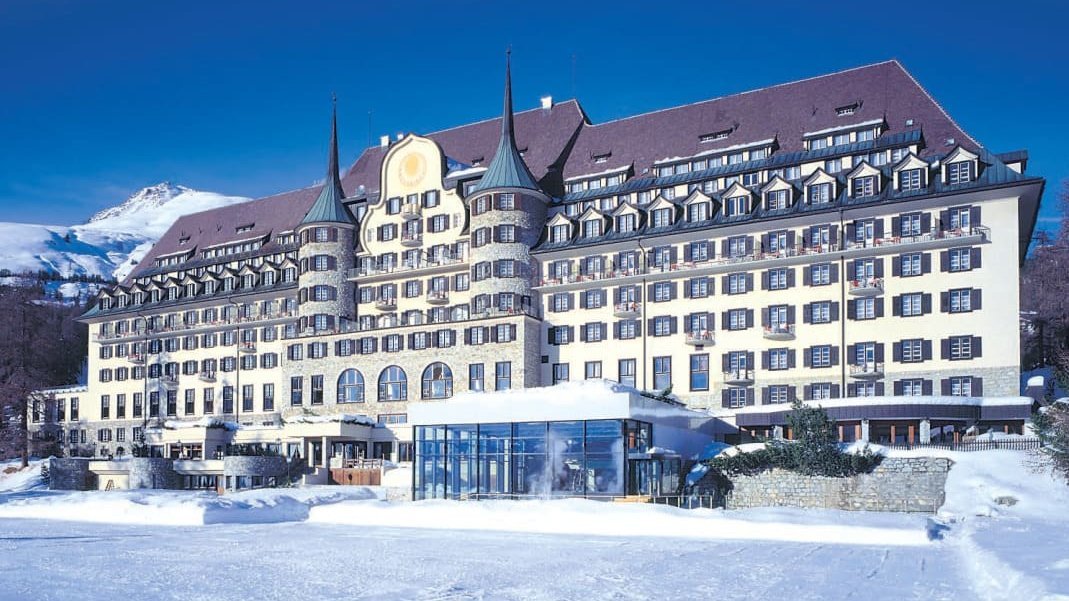
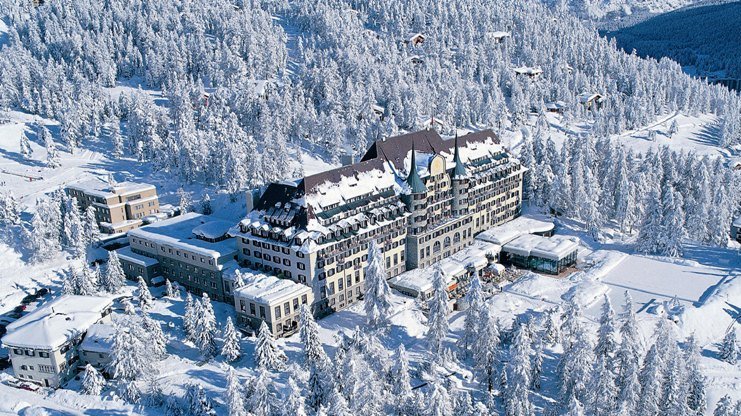
Since 1912, the traditional Suvretta House in St. Moritz has welcomed guests from all over the world. In that time, the proud establishment has undergone numerous conversions – with lively involvement from Implenia and its predecessor companies. Zschokke, for example:
When the global economy hits a rough patch in the 1990s, the owner family of Suvretta House cannot agree: sell or invest? In the end, the faction that wants to keep the hotel in family hands prevails – the starting signal for a construction drive lasting more than ten years and costing CHF 100 million.
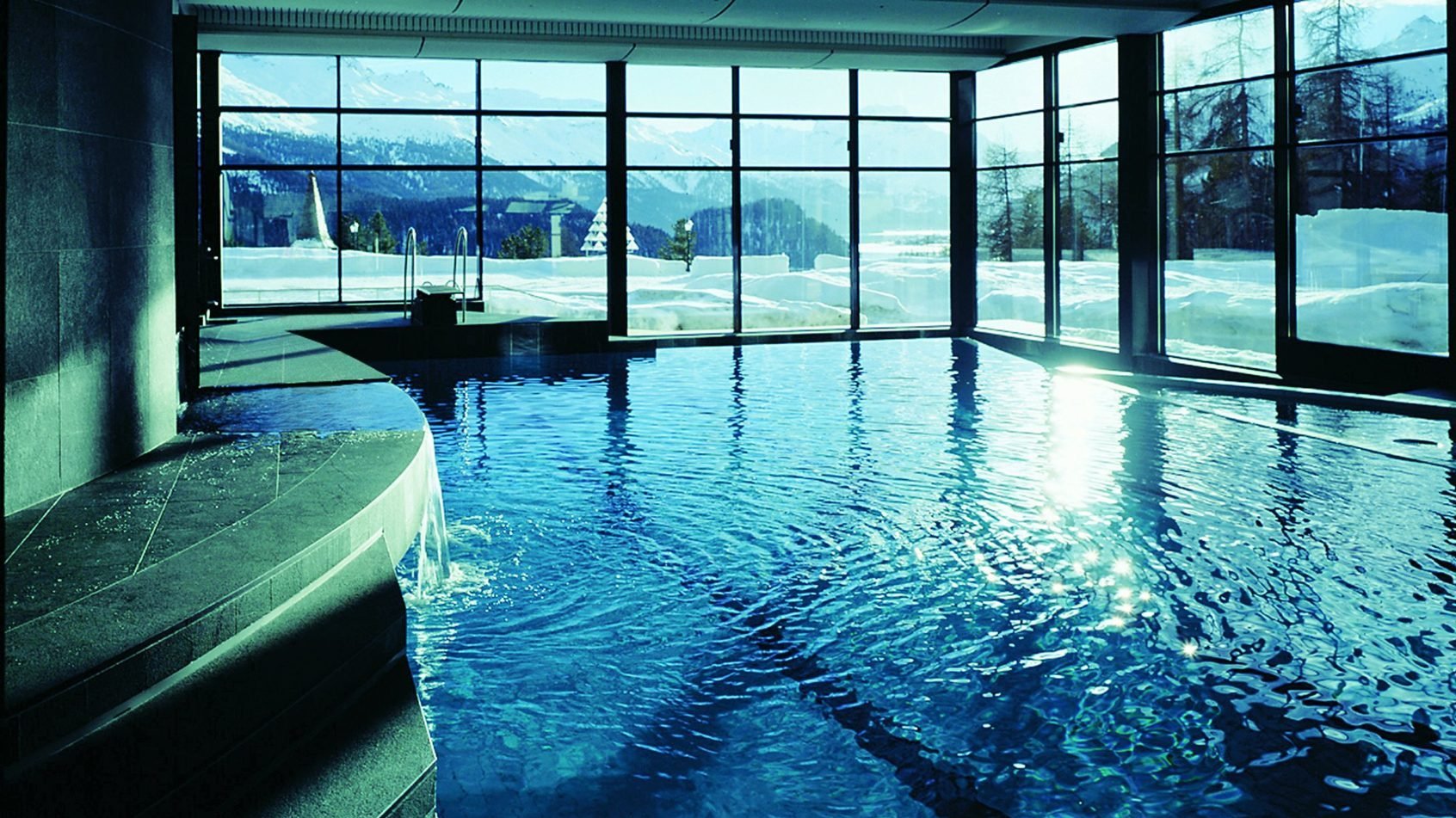
Recession or not: the management couple Helen and Vic Jakob are certain “that today, spacious luxury rooms and suites are enjoying higher demand.” Zschokke thus takes over project responsibility for building the new swimming pool and, in 2003, for the complete renovation of the hotel's east wing. Fifty-six luxury rooms become 48 even more luxurious rooms and suites for star guests such as Montserrat Caballé. What this clientele tolerates poorly, however, is construction noise. The conversion work therefore has to be completed in just five months, split across two off-seasons. “Flexibility, efficiency and innovative ideas were decisive here”2, says the Zschokke Vision 2005.
In 2006, Zschokke becomes Implenia. Three years later, there is a déjà vu at Suvretta House when Implenia wins the contract for the even more extensive conversion of the hotel's central wing. CHF 32 million is spent in half a year; in 2011, a new ski room is built and the former post office building, which now houses the hotel's own ski school, is renovated.
2027 The Alpinist, Andermatt
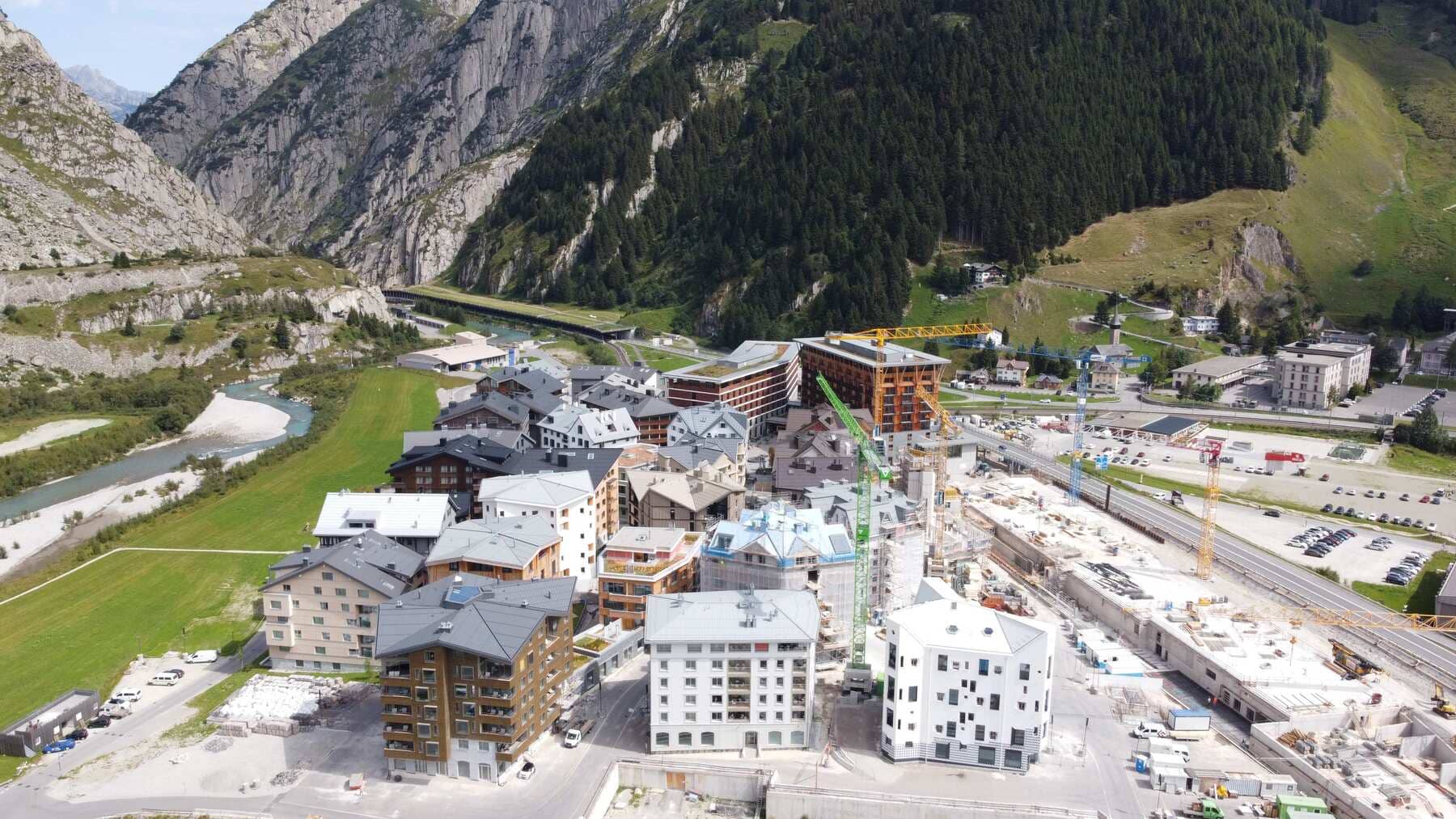
In the heart of the Swiss Alps, Implenia is building, as total contractor for Andermatt Swiss Alps AG, the five-star hotel “The Alpinist Andermatt”, including access roads and a snow protection roof. The new building comprises 164 residences, 66 hotel rooms, as well as a spa, sports centre, restaurants, bars, co-working spaces and parking. The three building volumes are connected by a spacious lobby on the ground floor. The construction combines solid construction with a prefabricated façade and a timber roof structure. As a result, less “embodied energy” is consumed for the new building.
“The Alpinist” also shows that luxury can certainly be environmentally friendly. For heating, the new building is connected to the district heating network, and cooling is provided by a cooling plant operated with groundwater. A 700 m2 photovoltaic system integrated into the façades supplies around 20 per cent of the required electricity.
2027 The Park Gstaad, A Four Seasons Hotel

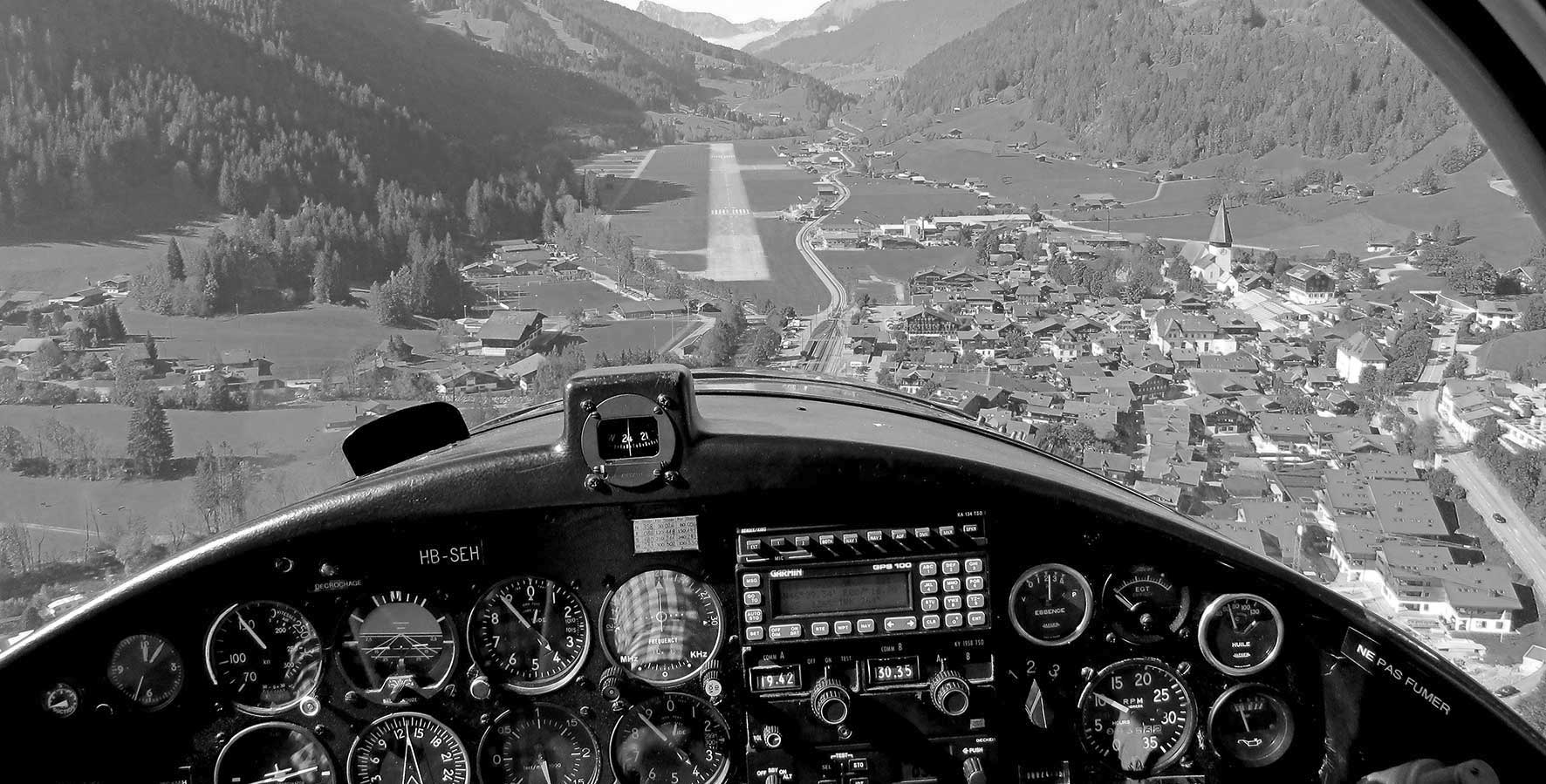
This is how the definition of luxury changes over time. When the first five-star hotel in the region, the Parkhotel Reuteler, opens in Gstaad in 1910, it impresses with “revolutionary” amenities such as electric light, central heating, a lift and one bathroom per floor. Today, that would not even be enough for two stars.
Nevertheless: at the time, the Parkhotel is a pioneering establishment. With it begins the development of Gstaad into one of the most fashionable holiday resorts in the Swiss Alps. What St. Moritz becomes in Graubünden, Gstaad becomes in the Bernese Oberland.
This long tradition of the hotel is to remain visible and tangible even after its comprehensive conversion, which has been under way since November 2024 – a delicate balancing act between preservation and renewal is required. As general contractor, Implenia takes on the “Core & Shell” works of the conversion, from demolition to handover of the keys. These include the renovation of the building core with all load-bearing structures, stairwells, lift shafts, etc., as well as the renovation of the building envelope including roof, windows and doors. Through “Lean Construction”, BREEAM certification is being sought, which recognises the sustainability of buildings.
In summer 2027, the former Parkhotel Reuteler is due to reopen as “The Park Gstaad, A Four Seasons Hotel” – with 51 rooms, 18 suites, six private penthouses, seven restaurants and lounges, and a wellness area. However, guests will in future have to do without a shared bathtub on each floor.