Sustainable use of excavated material at the Gotthard
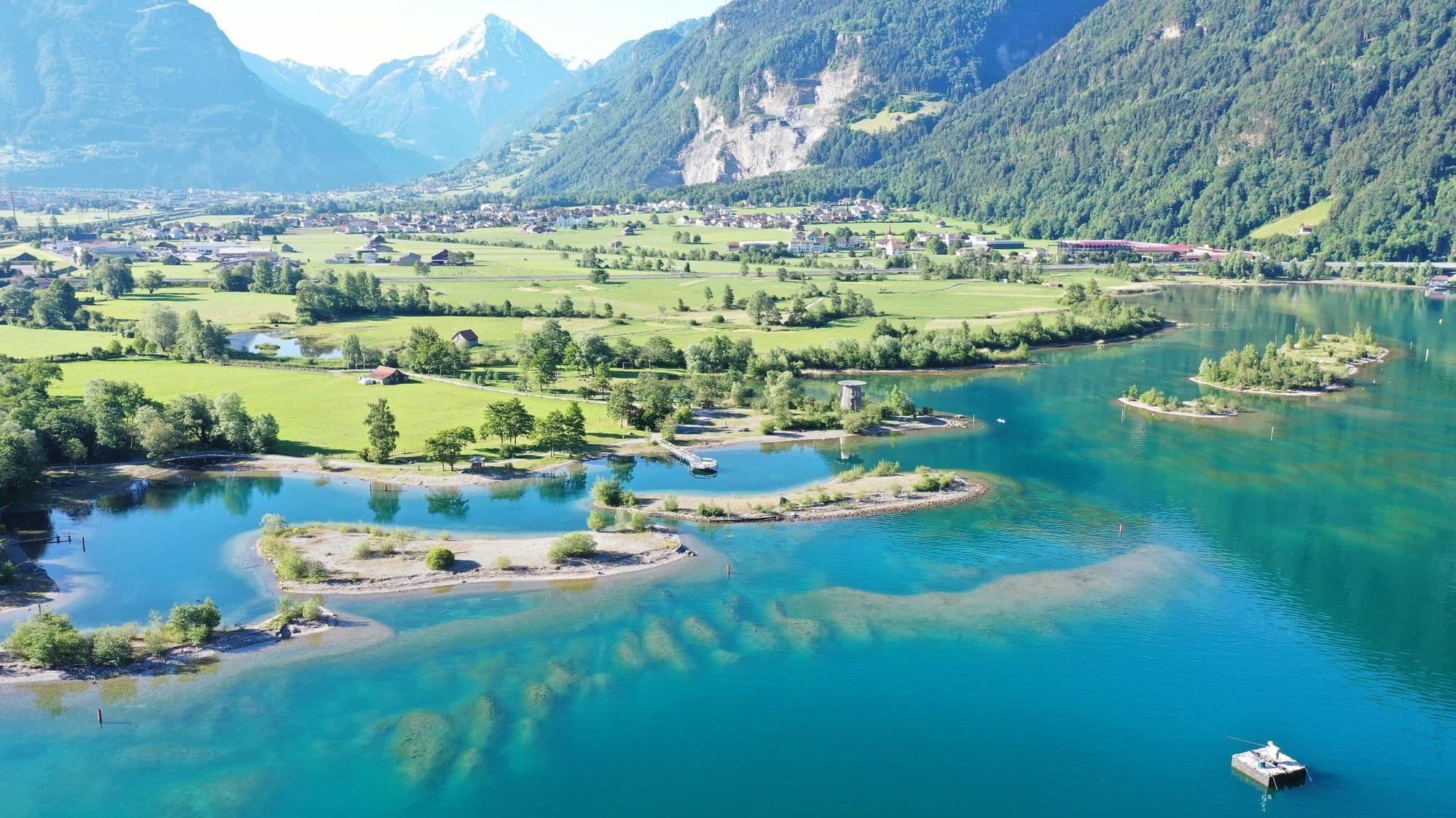
The construction of the second tube of the Gotthard Road Tunnel is generating a total of around 7.4 million tonnes of excavated material. A significant proportion of the rock is being reused – including for the creation of near-natural shoreline areas on Lake Uri.
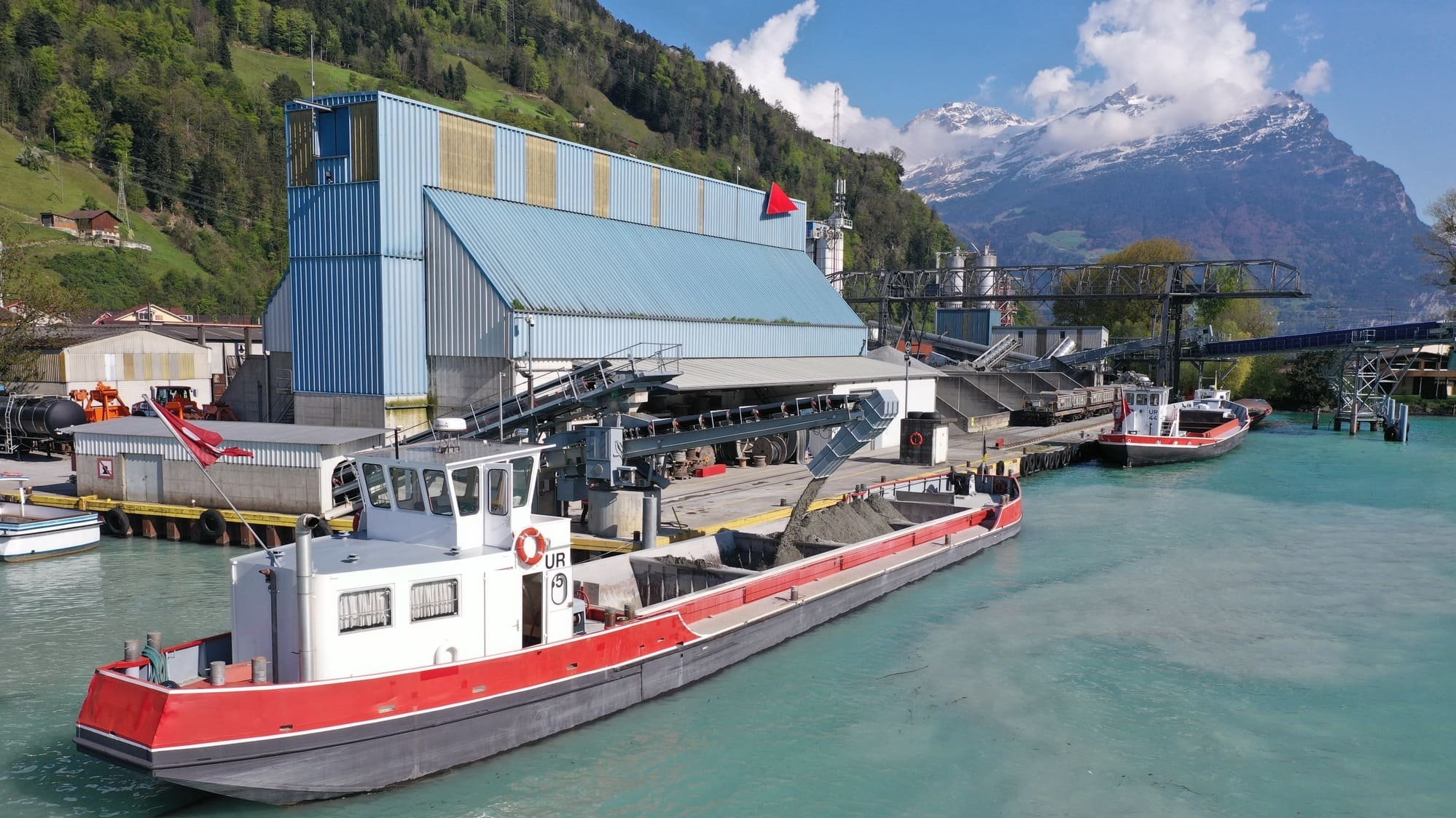
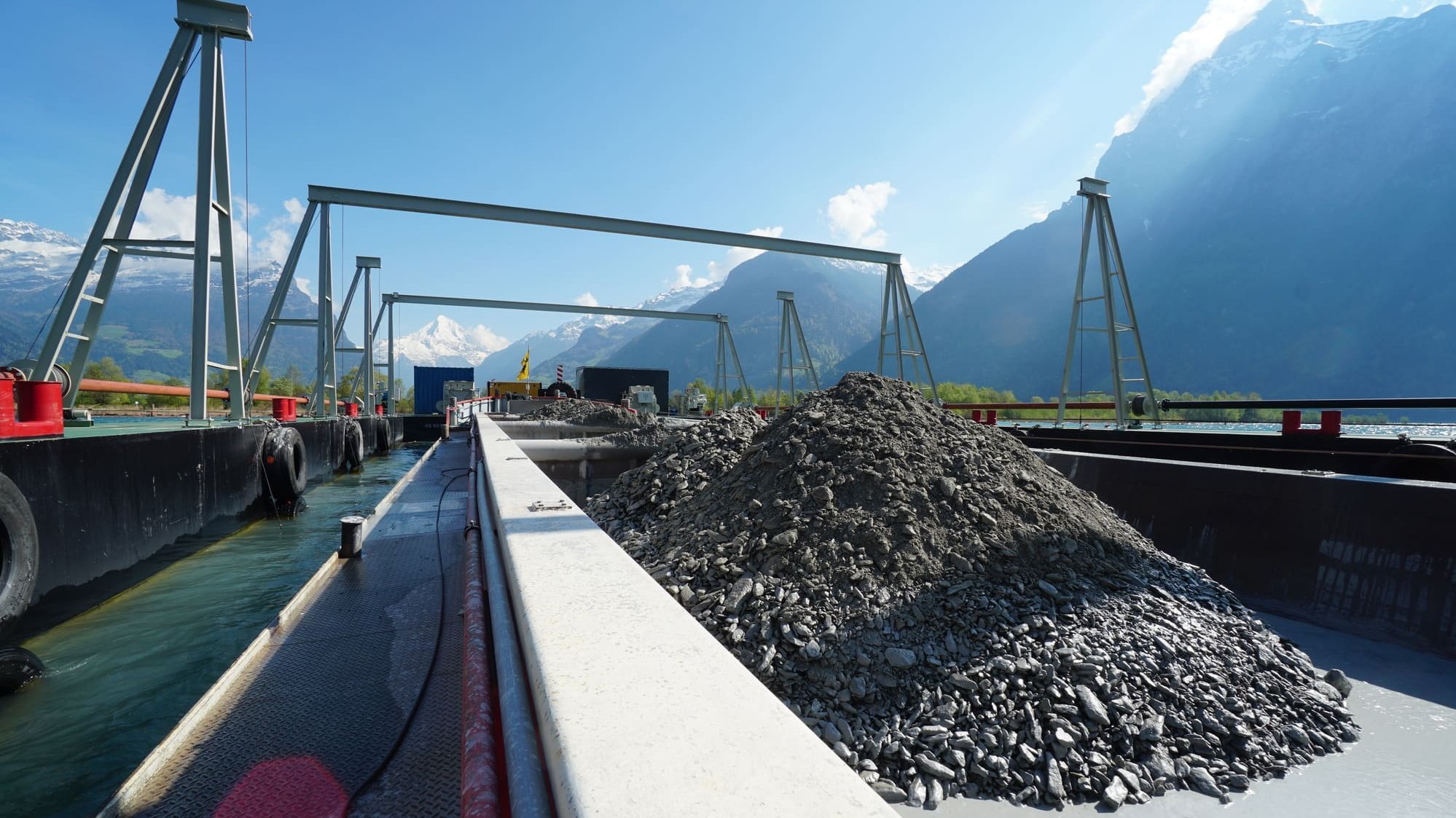
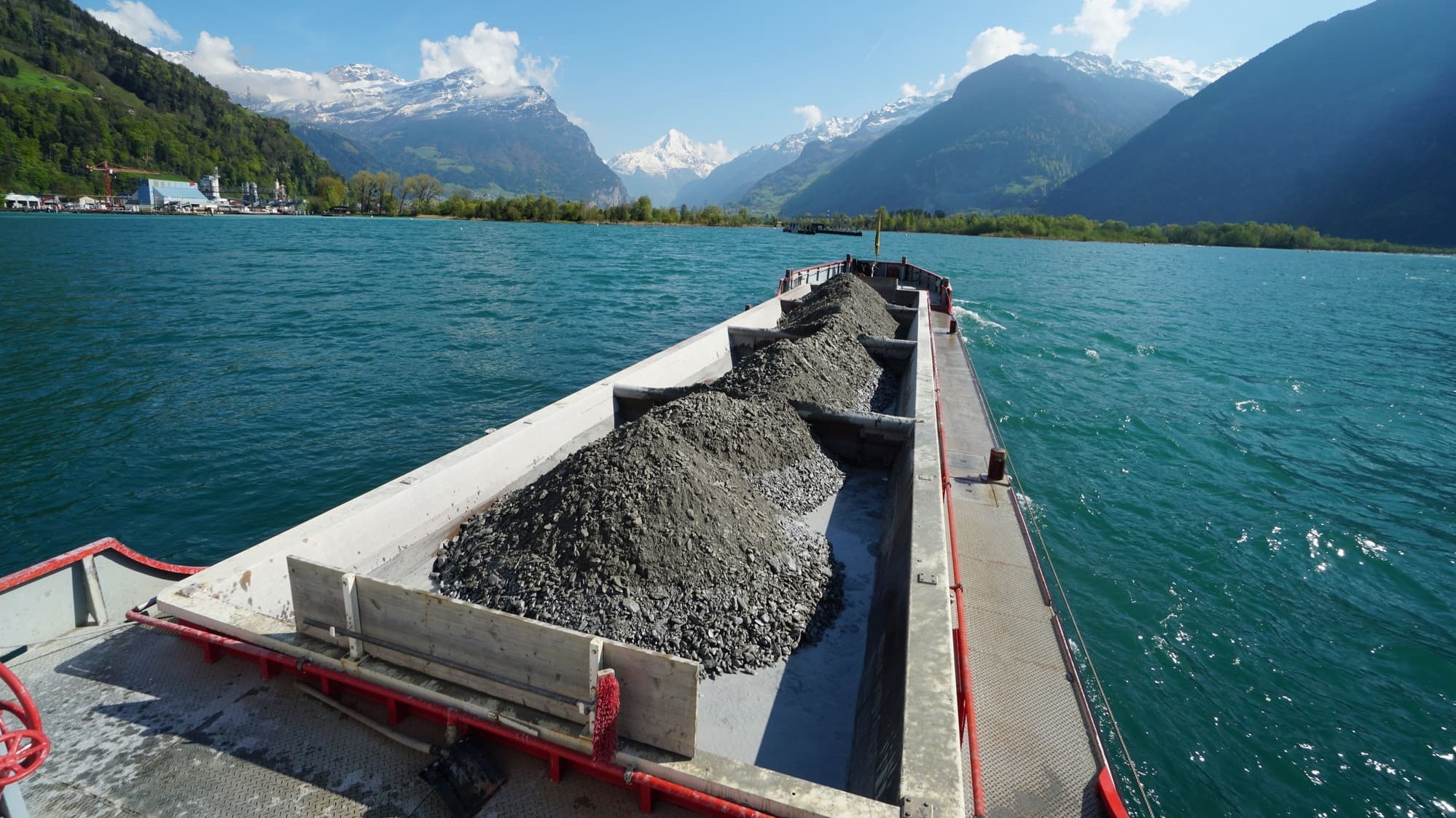
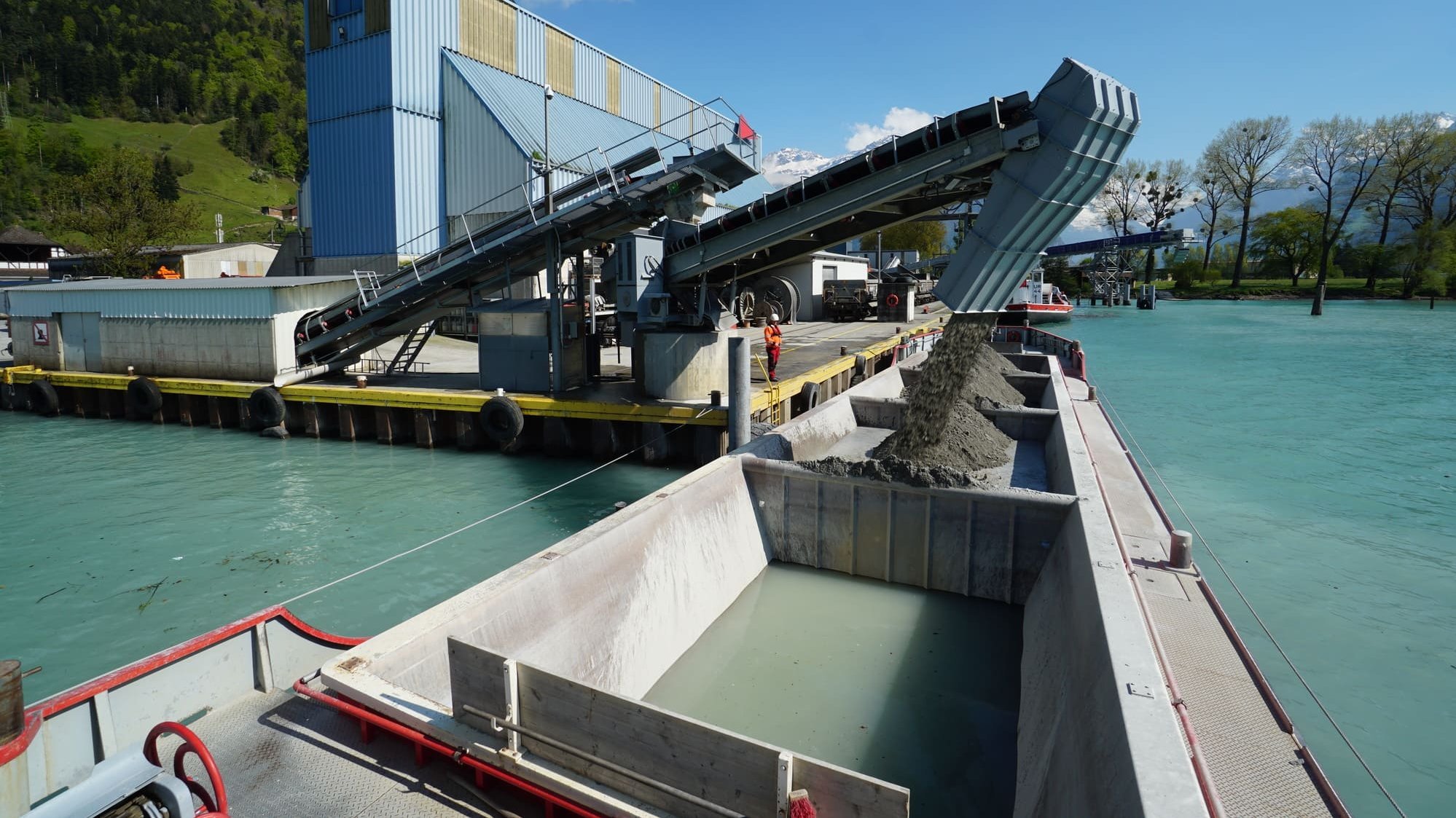
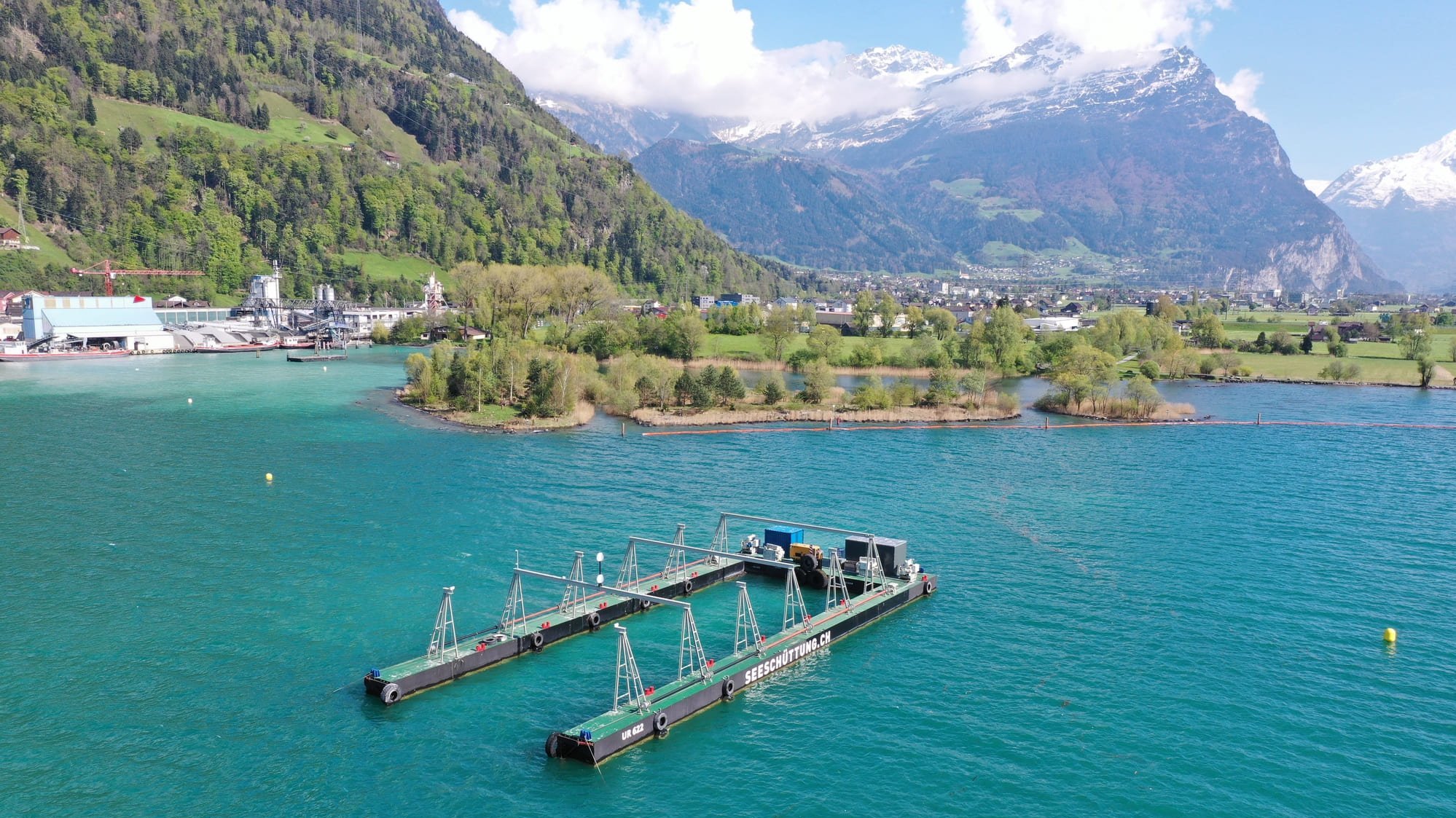
Since October 2024, cargo ships have been operating regularly on the southern reaches of Lake Lucerne: every quarter of an hour, they transport up to 450 tonnes of rock from the industrial port of Flüelen to nearby pontoon facilities. There, the material is carefully deposited onto the lake bed.
“This work forms part of a comprehensive ecological concept for the reuse of excavated material, which was developed by the Federal Roads Office (ASTRA) and is being implemented by the companies involved in the construction project,” says Xavier von Mandach, Implenia’s site manager for the Gotthard project. The aim is to reuse as much of the resulting material as possible in a meaningful way and to reduce transport distances and the need for landfill.
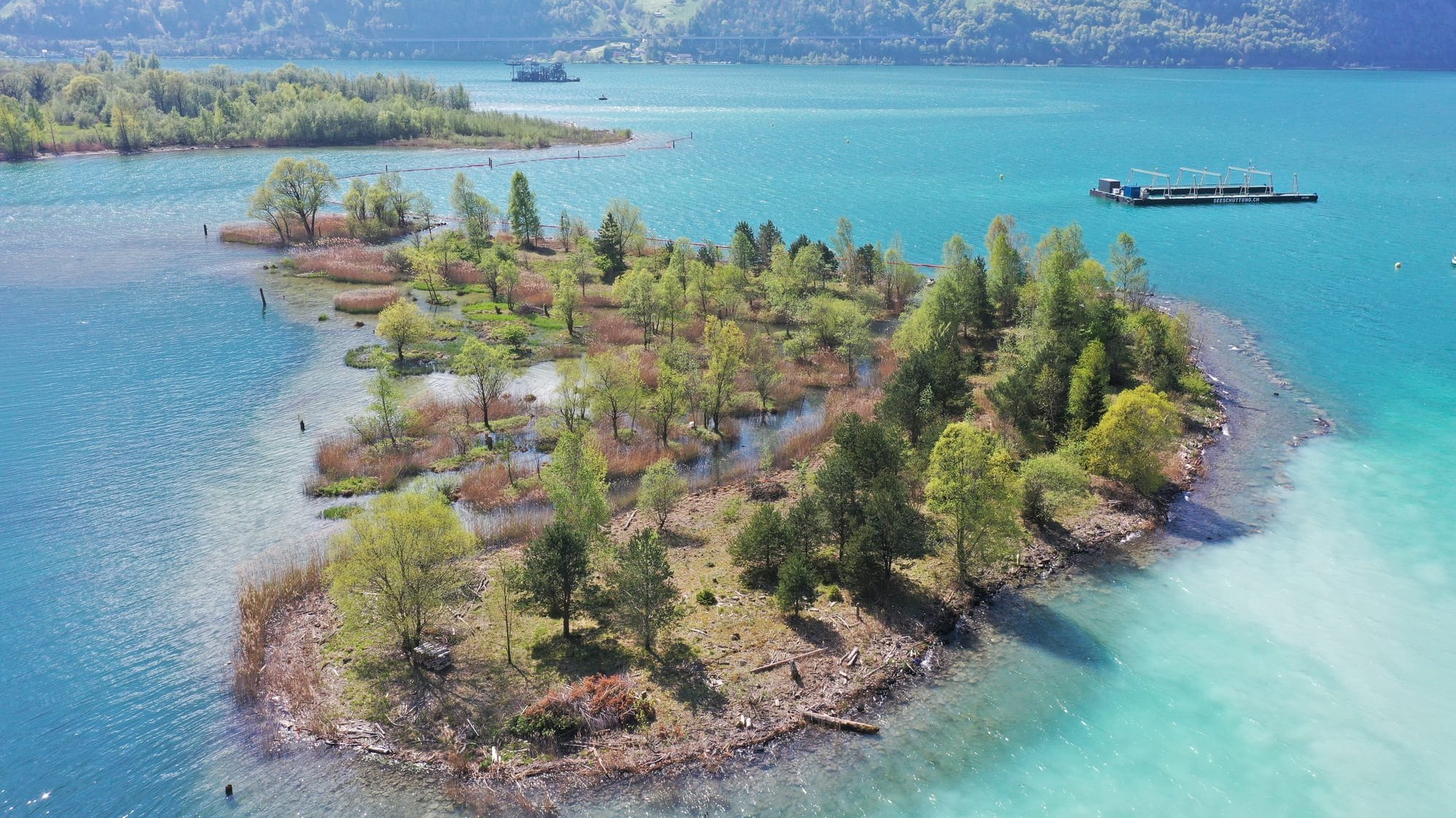
Specifically, the excavated material is being put to various uses: around 1.8 million tonnes are being processed directly on site into new building materials. Around 1.9 million tonnes are being used in Airolo for land-shaping and to cover the motorway. A further 3.5 million tonnes are being deposited in Lake Uri to create near-natural shallow-water zones.
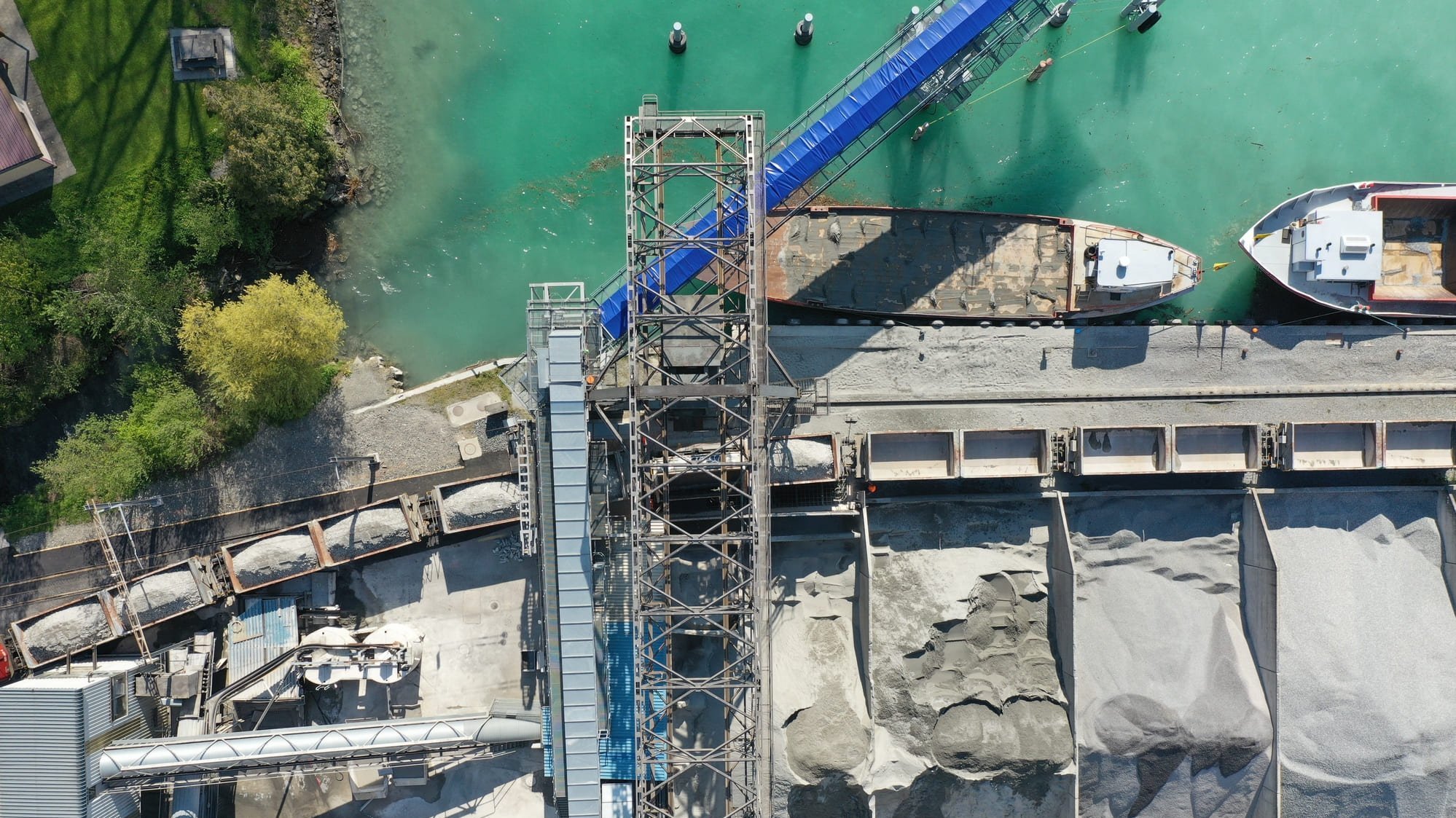
“The tunnel boring machine in Göschenen excavates up to 8,700 tonnes of rock from the massif every day,” explains Xavier von Mandach. The material is transported by rail to Flüelen and conveyed via conveyor systems to the loading points, where ships take over for onward transport.
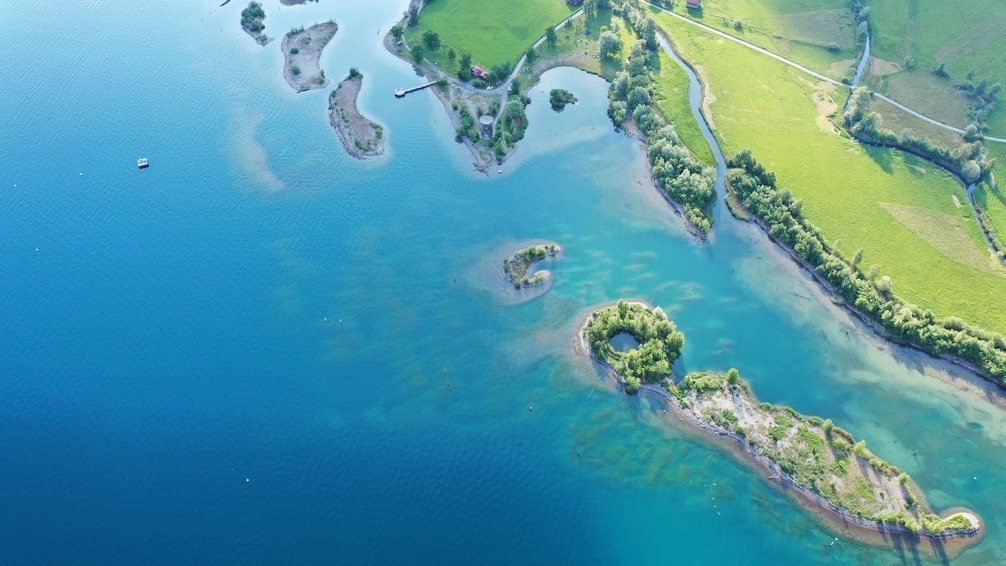
The purpose of the deposits in Lake Uri is to create shallow-water areas similar to those that historically existed in the Reuss delta. Previous interventions, such as the straightening of the Reuss from 1851 onwards and gravel extraction from 1905, have significantly altered these structures. Shallow-water zones are considered important habitats for aquatic plants and various animal species, as they provide shelter, food and breeding opportunities.
By using the excavated material for these purposes, a portion of the large volumes of material is specifically integrated into landscape-shaping measures. This represents a potential approach to combining material flows from major construction sites with ecological and structural requirements.