Proactive climate action drives major reductions in CO₂ emissions
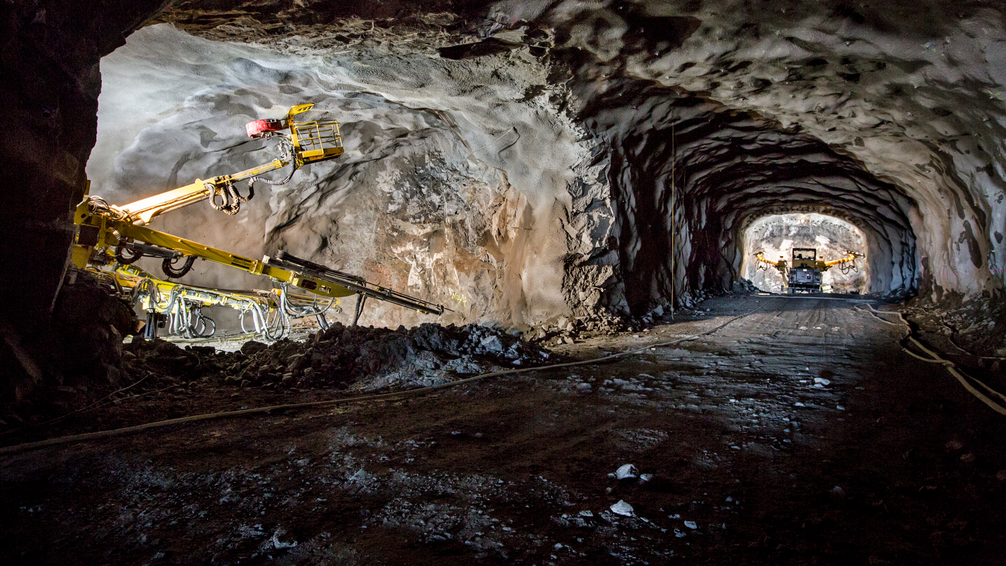
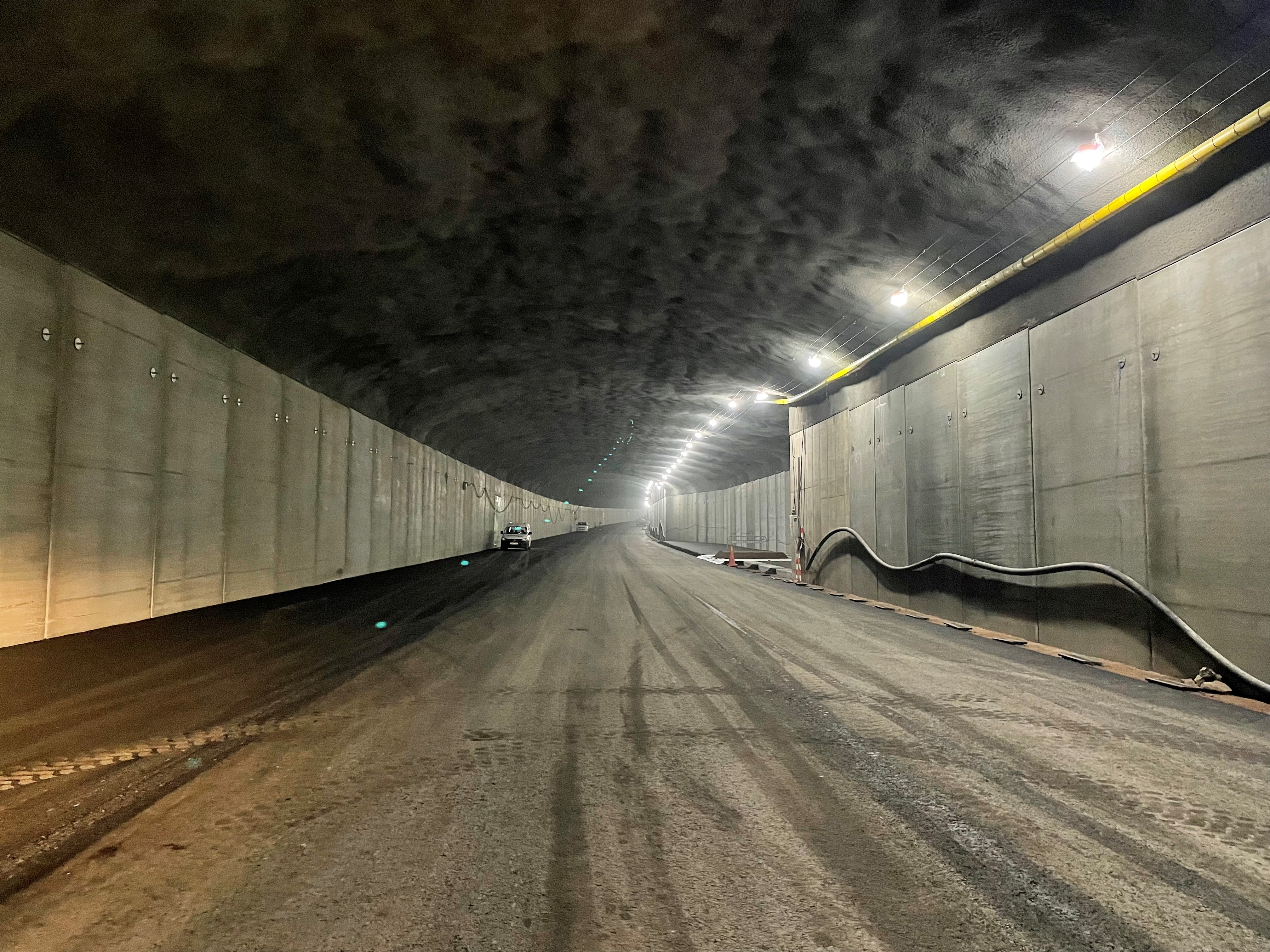
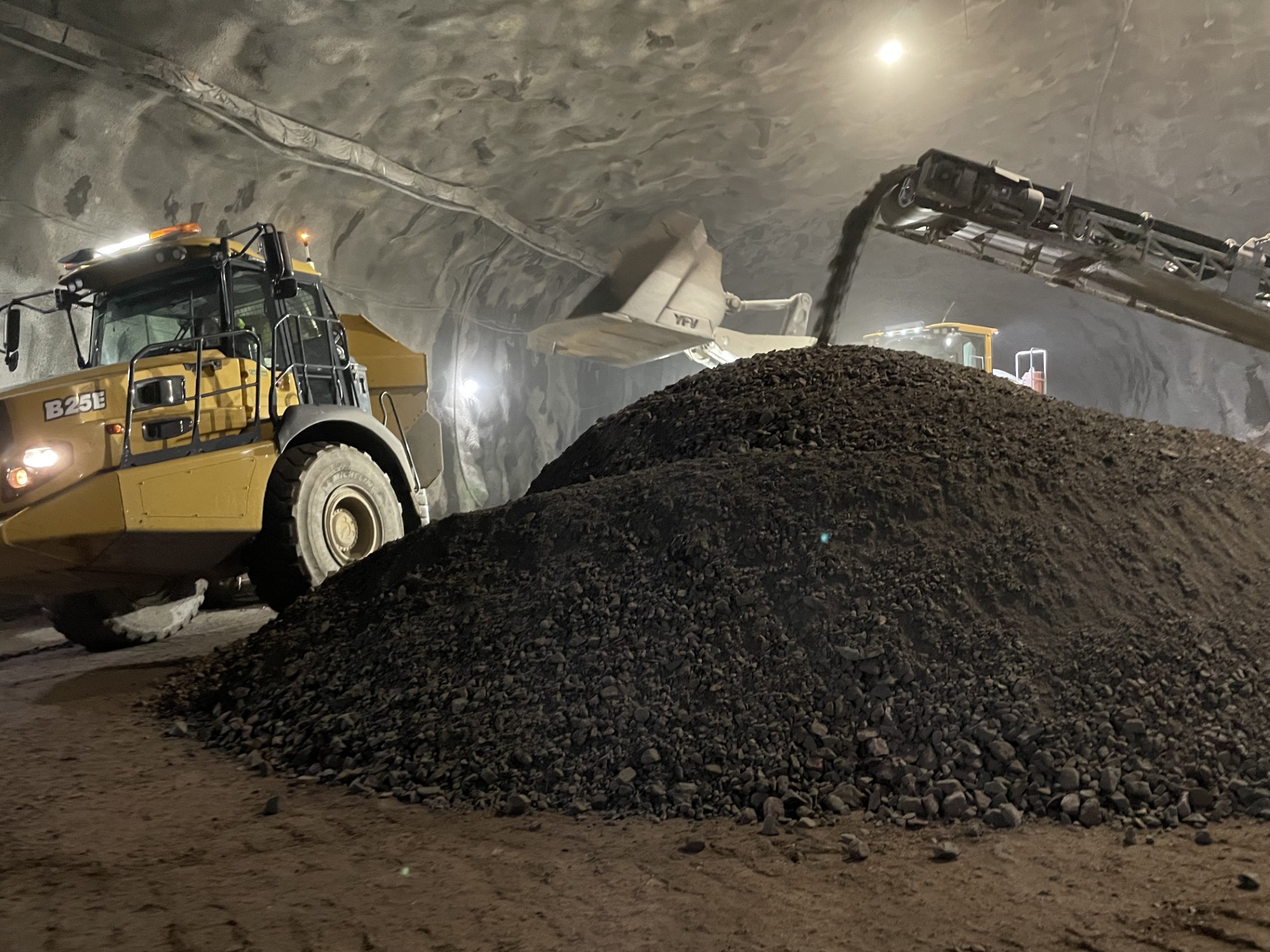
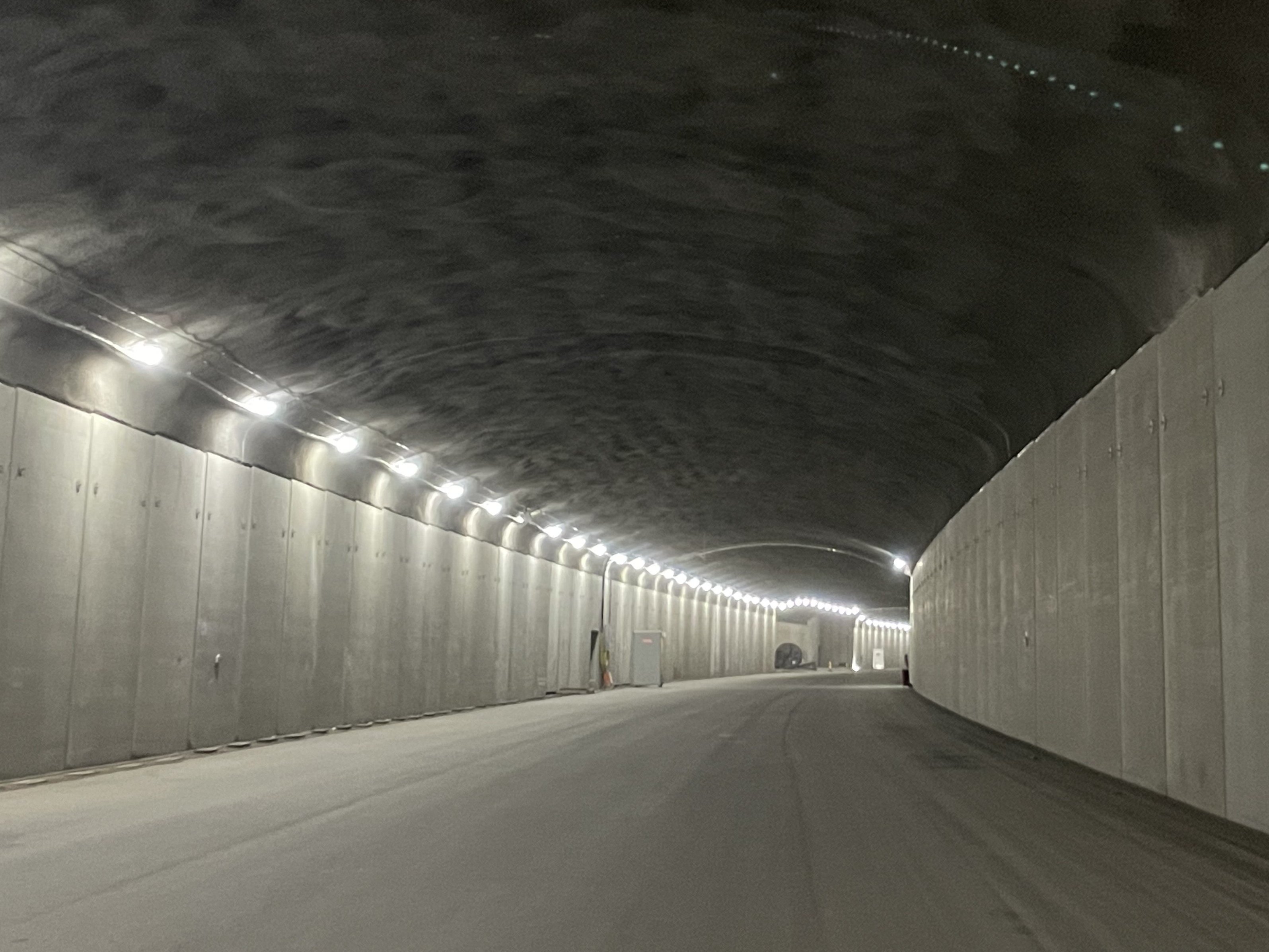
Implenia is building the Lunda and Johannelund road tunnels as part of the new Stockholm bypass. This has involved the excavation of thousands of tonnes of rock. Such large-scale construction sites tend to be particularly emissions-intensive, so Implenia Sweden has adopted a comprehensive new approach to cutting CO₂ that goes far beyond individual measures.
Greenhouse gas reduction was the central focus even before the machines started biting into the rock. Specifically, tight structures for cooperation between client, project team and sustainability coordinator were set up right from the outset – for both construction sites. More or less the same people were in charge of both projects, so synergies could be exploited, experiences shared, and measures coordinated efficiently.
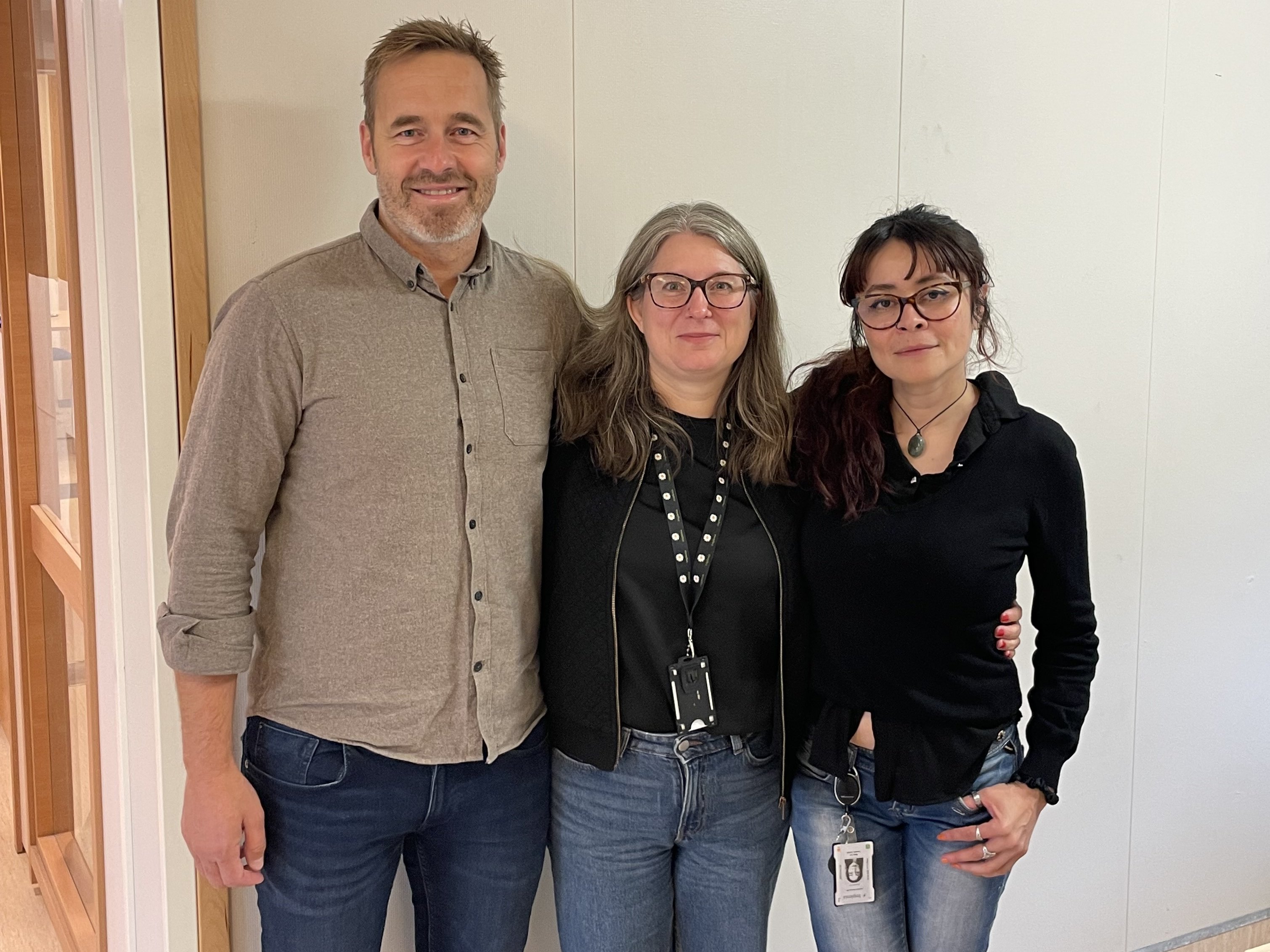
Right from the planning phase, climate targets were incorporated into the decisions made about everything – from construction methods and choice of materials to individual processes. On the construction sites themselves, there was a far-reaching action plan centred on emissions reduction. Mary Lesmes, on-site sustainability coordinator, gives three examples: “Among other things, we increased the proportion of recycled material, used lower-emission fuels and optimised concrete and steel structures.”
The tender issued by the client –state transport authority Trafikverket – included a requirement to reduce CO₂ emissions by 10 percent. “On completion of the construction work Implenia had achieved a reduction of 38 per cent on the Lunda Tunnel project and as much as 47 percent on the Johannelund Tunnel. This corresponds to savings of approximately 10,000 tonnes and 40,000 tonnes of CO₂ respectively,” says Therese Rönnkvist Mickelson, Country Head Sustainability Implenia Sweden.
It all goes to show that a comprehensive, integrated strategy is far more effective at reducing CO₂ emissions on large and complex construction sites than isolated measures.