



How to build "dry" in water?
In 1914, the year of the Swiss National Exhibition, the founder and Chairman of the Board of Directors of AG Conrad Zschokke, Conrad Zschokke, was already a world star in hydraulic engineering, a subject that occupied him throughout his life. As a 20-year-old ETH student, he was there live when the first so-called compressed air foundation in Switzerland was carried out during the construction of a bridge pier for the new railroad line between Biel and Bern. Since then, he has been fascinated by this fascinating construction method.
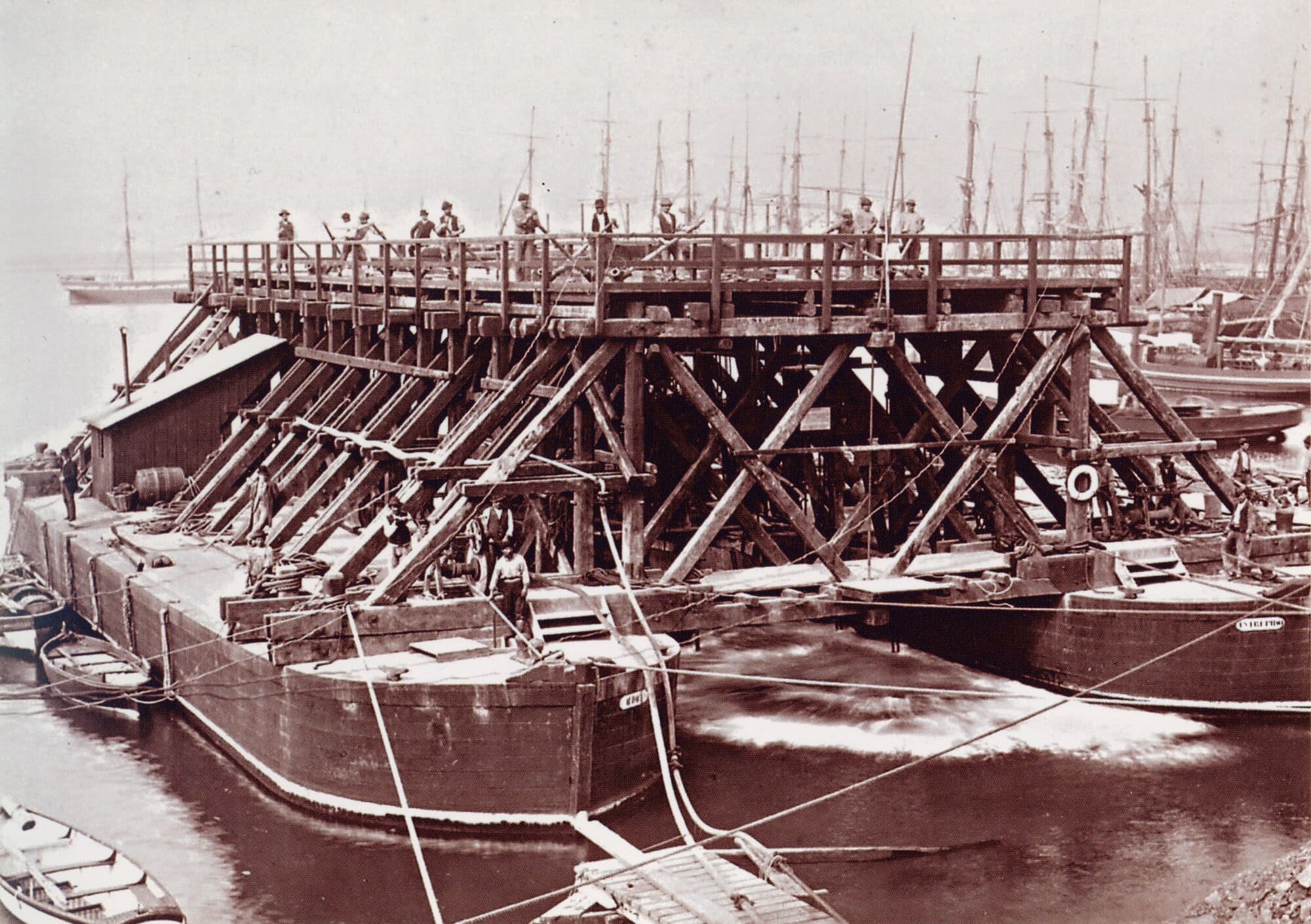
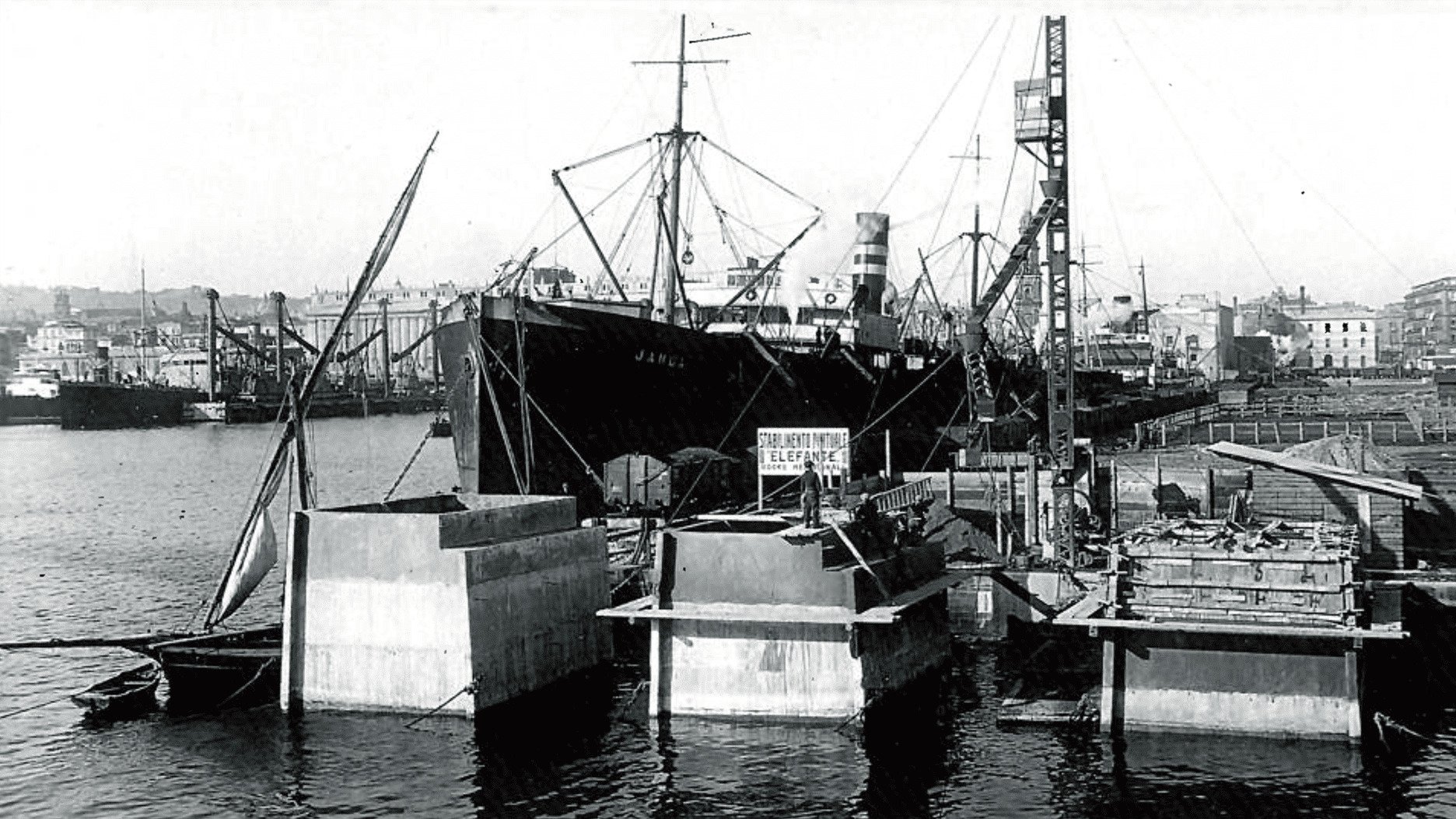
To understand this fascination, you need to know: Sheet piling had not yet been invented in the 19th century. The greatest challenge in hydraulic engineering was therefore to build "dry" under water. This is exactly where the compressed air foundation method comes in: A cavity is sunk into the water and filled with compressed air so that no water can enter this cavity. caisson - also known as a "caisson".
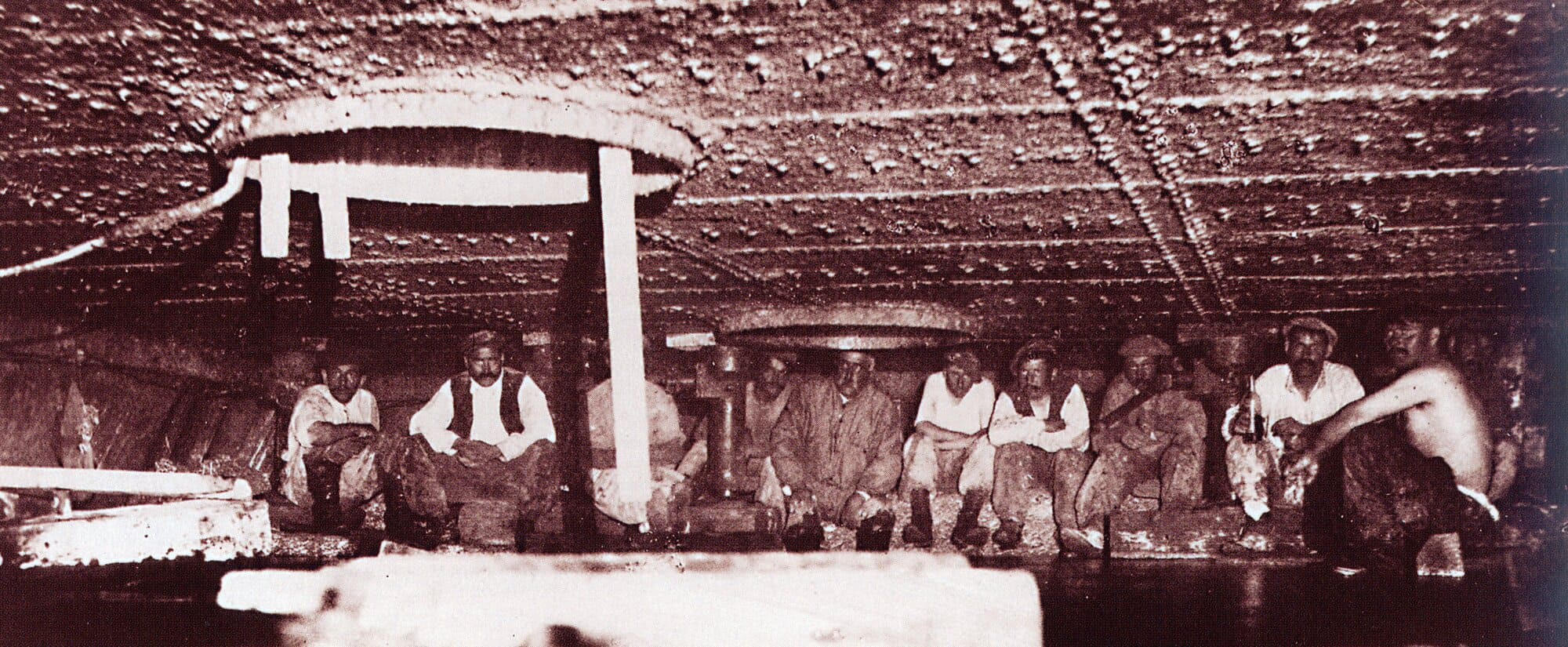
Workers then use a sluice to reach the working area in the caisson, where they can excavate the river, lake or sea bed "dry" far below the water level and then, for example, pour concrete, whereby the construction material and the workers themselves are fed into the caisson via sluices. At the end, the caissons themselves are filled with concrete and the underwater foundation is complete. What should not be concealed at this point: Working in the overpressure of the low caissons is tough and hazardous to health.
Zschokke, a master of compressed air foundations
Through the contacts of his uncle Olivier Zschokke, also a civil engineer, the newly graduated 22-year-old Conrad Zschokke was offered a job at the Parisian construction company Castor & Hersent in 1864. The company specialized in hydraulic engineering work and sent the young Swiss employee from one construction site to the next. Private milestones in Zschokke's early life bear witness to this. In 1867, he married the beautiful Eugénie Faure from the south of France in Arles; their first child was born in Annaba, Algeria, where Zschokke built jetties with the help of caissons. The second child was born in Szeged, Hungary, the third in Vienna and the fourth in Valence.


Trade is booming, the ports are growing
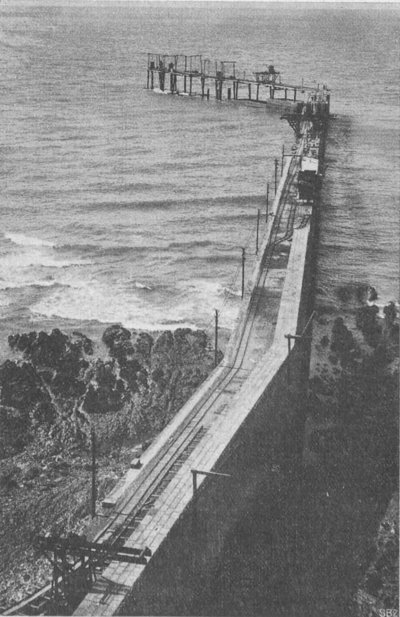
With his expertise in hydraulic engineering, Zschokke was exactly the right man at the right time. It was the age of colonialism and nationalism. The Suez Canal was opened in 1869, and the volume of goods handled in the port of Marseille doubled to around 20 million gross tons in 1913. Steamships replace sailing ships and, like the war fleets, become ever larger, requiring more quays, more dry docks and, above all, deeper harbor basins. Throughout Europe, ministries and building authorities are on the lookout for capable engineers to adapt their commercial and military ports to the new structural requirements.
An international hydraulic engineering star
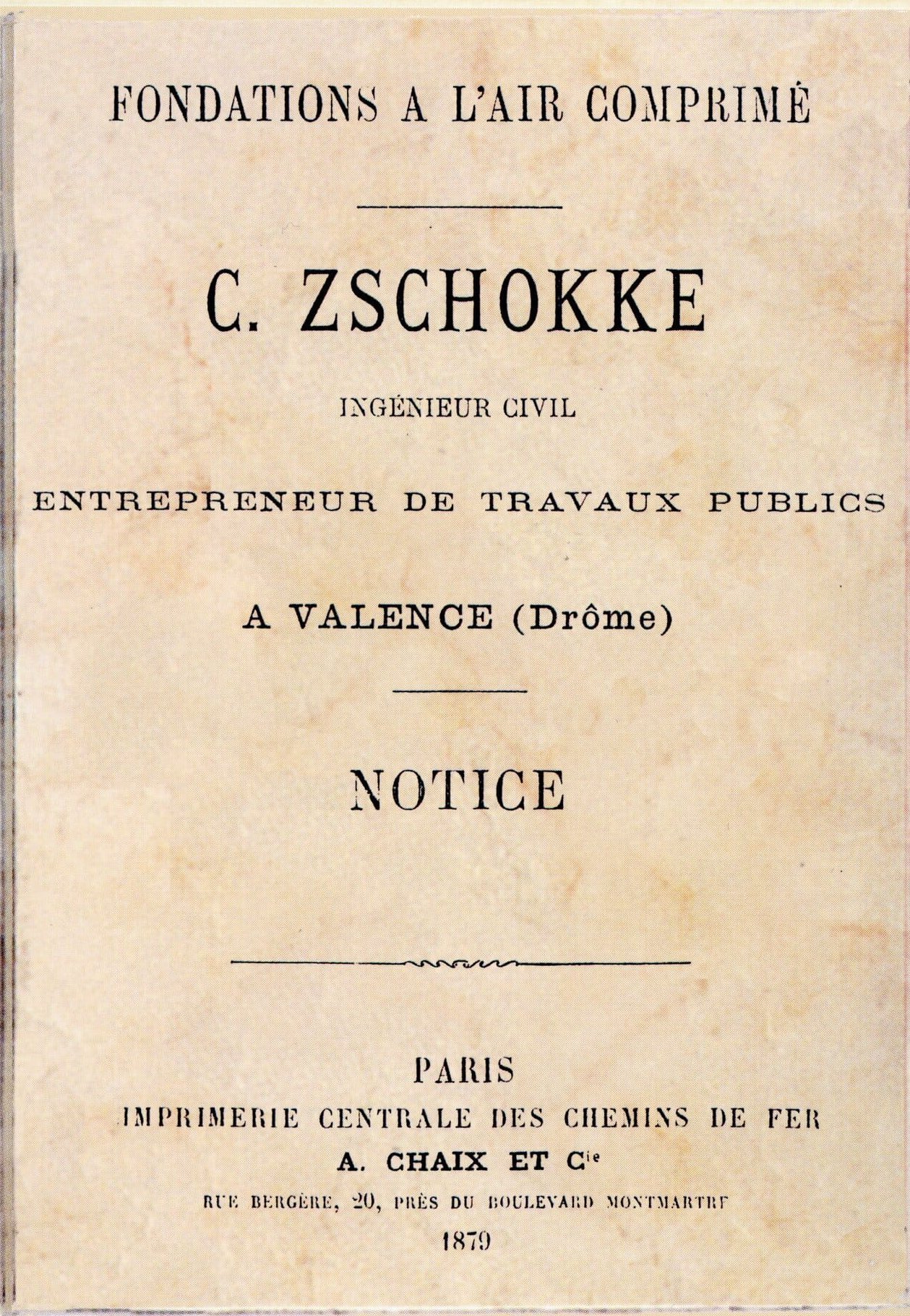
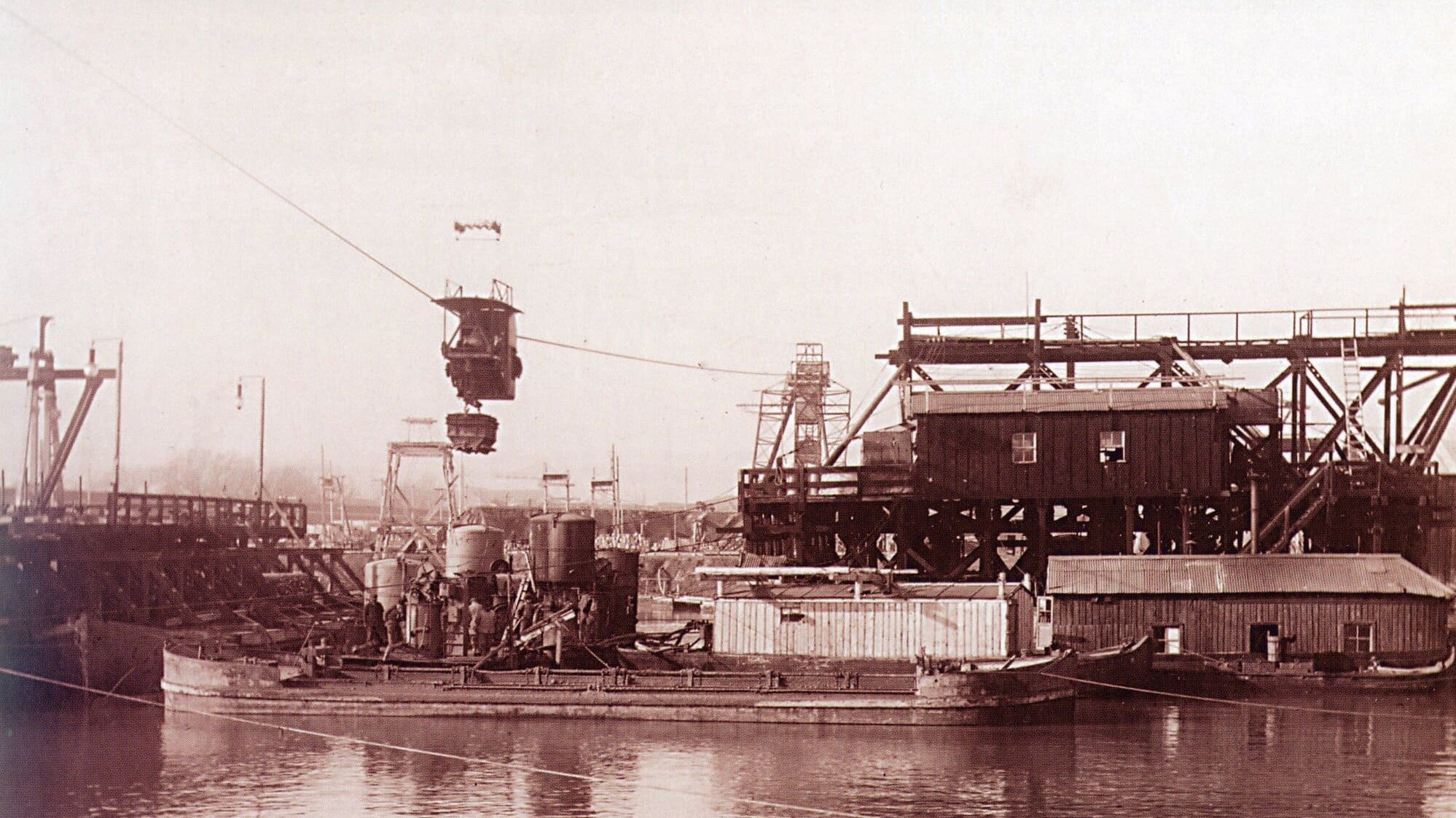
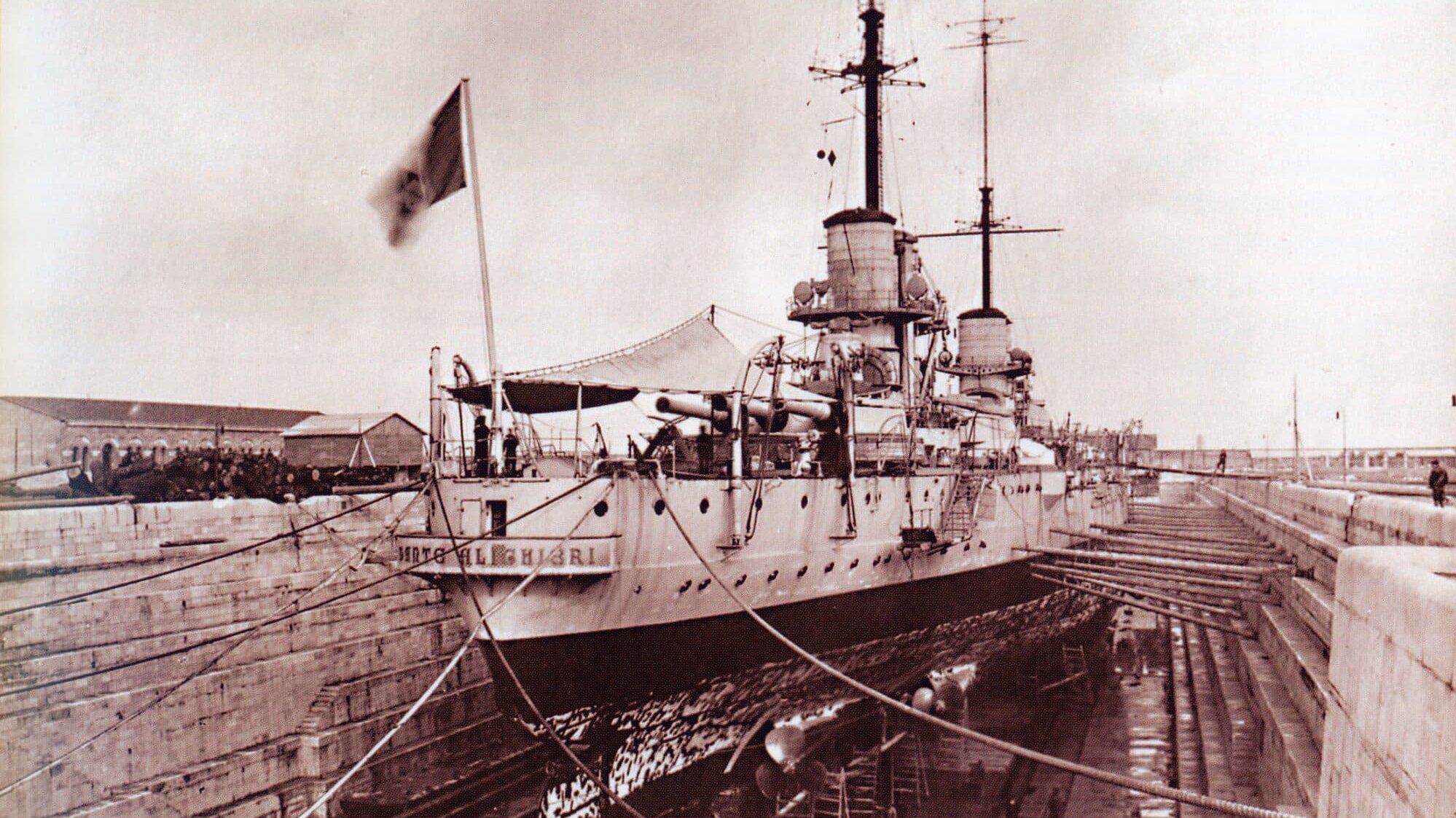
In 1879, Conrad Zschokke summarized his experiences with compressed air foundations in port construction in his highly regarded study "Fondations A L'Air Comprimé" - published in France and in French.Over the next few years, Zschokke built a number of projects with various business partners, including a dry dock in Genoa (1886-1893), the port of La Pallice near La Rochelle (1888), a dry dock at the military port of Carraca near Cadiz (1893), the Bassin de la Pinède in the port of Marseille (1895), the new harbor entrance and quay walls in Dieppe (1905-1914), a dry dock in the military port of Venice (1909-1916) and the extension of the port of Marseille (1911).
In 1885, the Italian state also awarded him the mammoth contract for the Tiber correction in Rome - for CHF 22 million, which would be more than ten times as much today. Here alone, he carried out over 100 pneumatic foundations for the construction of quays and bridges.2Zschokke developed into an international hydraulic engineering star, receiving the Italian Order of the Crown in 1887 and the Cross of the Legion of Honor at the Paris World Exhibition in 1889; he was awarded an honorary doctorate from the University of Zurich in 1901 and from ETH Zurich in 1915. In 1916, Zschokke's résumé of half a century of port construction is published in the Schweizerische Bauzeitung: "Die Hafenanlagen an der See "3.
Ship ahoy today

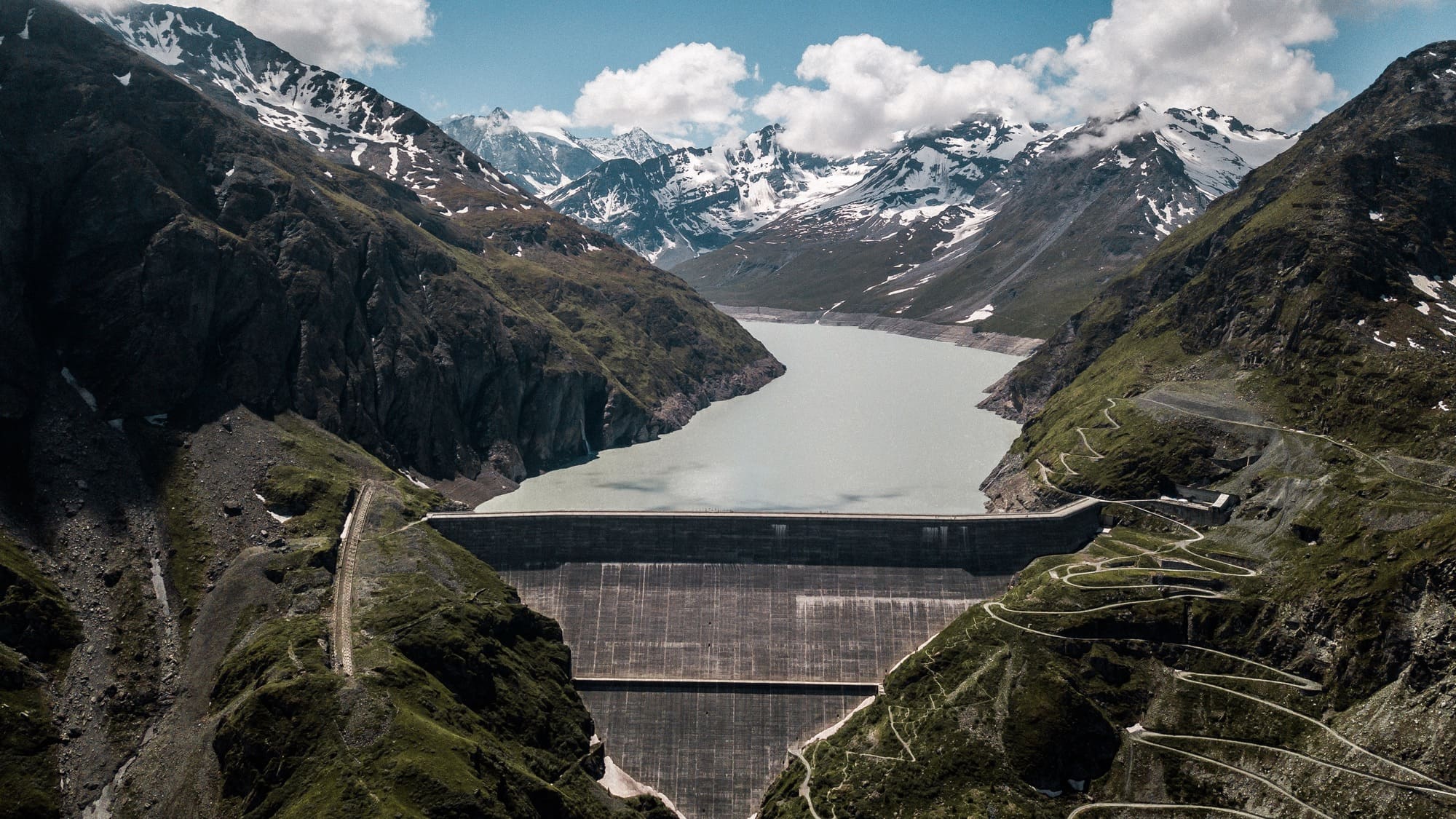
At the end of the 19th century, a new field of application for hydraulic engineering was added to Conrad Zschokke's portfolio: hydropower. Here too, the person and the company Conrad Zschokke will play a leading role - in the guise of Implenia to this day.
However, Implenia is no longer active in port construction. Nevertheless, ships, or rather the navigability of waterways, play an important role, just as they did in Conrad Zschokke's day. The most important example of this is the ship lift in Niederfinow, Brandenburg, which will open in 2022a gigantic structure made of 65,000 m³ of concrete and reinforced concrete that uses a steel trough to help passenger and cargo ships over a 36-metre drop in terrain. Compressed air foundations were not used. At the beginning of the 20th century, the invention of sheet piling made this method largely superfluous. Implenia installed 40,000 m³ of sheet piling in Niederfinow.
Ship ahoy - then as now.